On the Dash:
- A UCLA-led study found that nearly half of 50 fast-charging EV stations in Los Angeles County had particulate pollution above WHO guidelines, mainly from charging equipment fans dispersing dust and debris.
- The U.S. now has 11,400 high-speed chargers, with hundreds more coming, prompting calls for filtration systems and careful site placement to protect air quality.
- While EV stations emit far less harmful pollution than gas stations, experts say reducing equipment emissions is key to sustainable EV adoption.
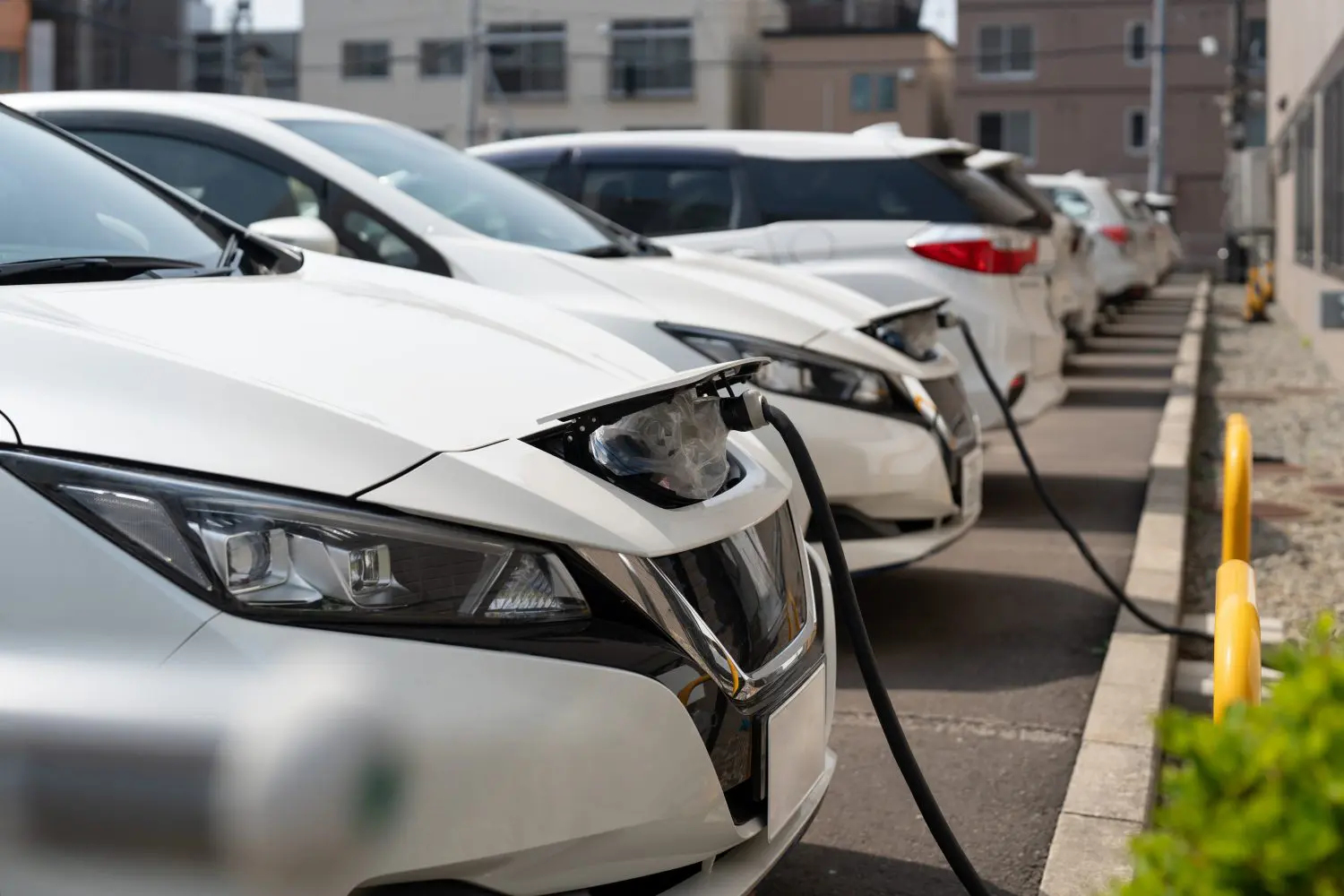
Hundreds of high-speed electric vehicle (EV) charging stations across the U.S. are producing small but notable levels of air pollution, according to a recent study by ScienceDirect, raising concerns as EV infrastructure rapidly expands.
The study, conducted at 50 direct current fast-charging stations in Los Angeles County, California, including many Tesla Superchargers, found that fine particulate matter levels averaged 15.2 micrograms per cubic meter, slightly higher than at gas stations and above World Health Organization air quality guidelines at nearly half of the sites. Researchers attribute the pollution to fans in the charging equipment that disperse dust, tire particles, and brake debris into the air.
In the second quarter, the U.S. installed 703 high-speed charging stations, increasing the total to 11,400 nationwide, with hundreds more scheduled for deployment by the end of the year, according to Energy Department data. As EV adoption grows, experts emphasize that tackling emissions from equipment is essential to maintain EV infrastructure as an environmentally friendly option.
Yuan Yao, a co-author of the study and postdoctoral researcher at UCLA, noted that the study’s goal is to ensure clean EV adoption and that filtration systems and careful site placement, avoiding schools and residential areas, can reduce particulate risks.
Meanwhile, ChargePoint, the largest U.S. charging network, already uses minimum air intake and exhaust heights on its DC chargers and plans to install additional filters.
In contrast, experts note that gas-powered vehicles and fueling stations still pose far higher health risks due to tailpipe emissions and volatile organic compounds, including carcinogens like benzene.
Ultimately, the study highlights the need for EV charging infrastructure to balance convenience, speed, and environmental health as adoption grows nationwide.