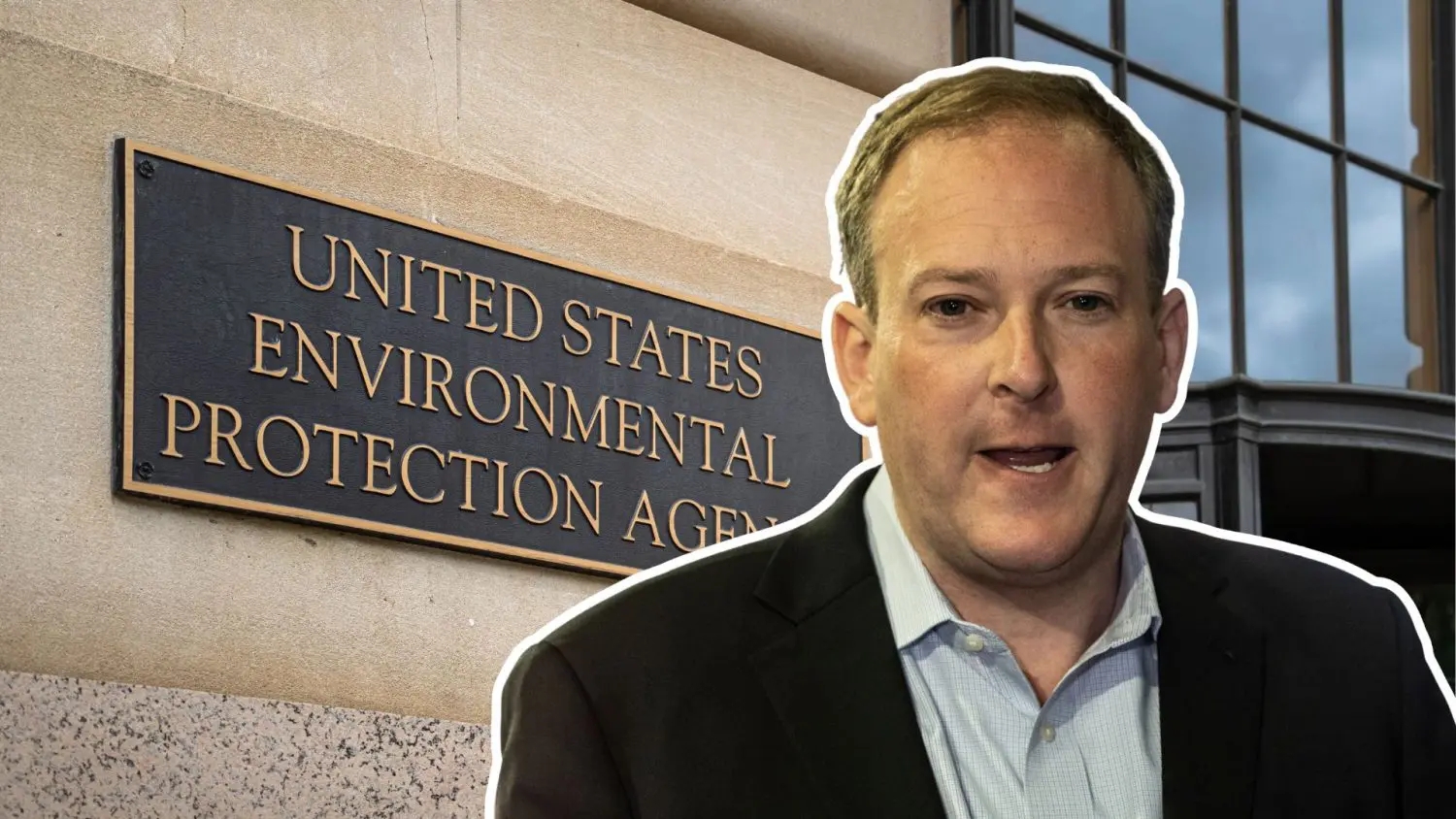
The U.S. Environmental Protection Agency (EPA) has proposed eliminating its longstanding “Endangerment Finding,” the scientific basis underpinning federal regulations targeting harmful greenhouse gases. The proposed repeal, led by EPA head Lee Zeldin, could gut fuel efficiency standards that have saved lives and billions in costs. The move is widely seen as a win for the fossil fuel industry and could stall progress on vehicle efficiency, increase gas prices, and roll back emissions standards.
Here’s why it matters:
If the repeal proceeds, it could reshape the auto market dramatically. Dealers may see increased demand for gas-powered vehicles as efficiency rules loosen, but also face greater volatility in consumer sentiment, rising fuel costs, and delays in the EV transition. Regulations guide automaker investment decisions, which ripple through inventory, pricing, and marketing, directly impacting dealer strategies.
Key takeaways:
- EPA targets climate regulation pillar
The proposed repeal of the Endangerment Finding threatens the legal basis for regulating vehicle emissions and fuel efficiency. - Fuel efficiency rules in jeopardy
The rollback would undo EPA-era standards that are projected to save 2,000 lives and $100B in fuel and health costs annually. - Gas prices could rise
A Department of Energy report says rescinding these standards could increase gas prices by $0.76/gallon due to higher demand. - Political and legal turmoil ahead
The move is likely to face widespread public opposition and legal challenges, creating regulatory uncertainty for the auto industry. - Public comments are open
The proposal is currently in public comment phase through Sept. 15, with virtual hearings scheduled for Aug. 19–21.