TSLA447.86814.41841%
GM75.910-0.53%
F13.8051.815%
RIVN14.4650.515%
CYD50.6502.13%
HMC24.4150.305%
TM187.2955.6252%
CVNA70.150-3.57%
PAG167.080-1.95%
LAD273.070-2.23%
AN191.520-3.84%
GPI330.750-5.39%
ABG194.0550.375%
SAH76.670-1.91%
TSLA447.86814.41841%
GM75.910-0.53%
F13.8051.815%
RIVN14.4650.515%
CYD50.6502.13%
HMC24.4150.305%
TM187.2955.6252%
CVNA70.150-3.57%
PAG167.080-1.95%
LAD273.070-2.23%
AN191.520-3.84%
GPI330.750-5.39%
ABG194.0550.375%
SAH76.670-1.91%
TSLA447.86814.41841%
GM75.910-0.53%
F13.8051.815%
RIVN14.4650.515%
CYD50.6502.13%
HMC24.4150.305%
TM187.2955.6252%
CVNA70.150-3.57%
PAG167.080-1.95%
LAD273.070-2.23%
AN191.520-3.84%
GPI330.750-5.39%
ABG194.0550.375%
SAH76.670-1.91%

Toyota, Honda brace for profit decline amid US tariffs and strong yen

Both automakers will report their first-quarter earnings this week.
Toyota Honda

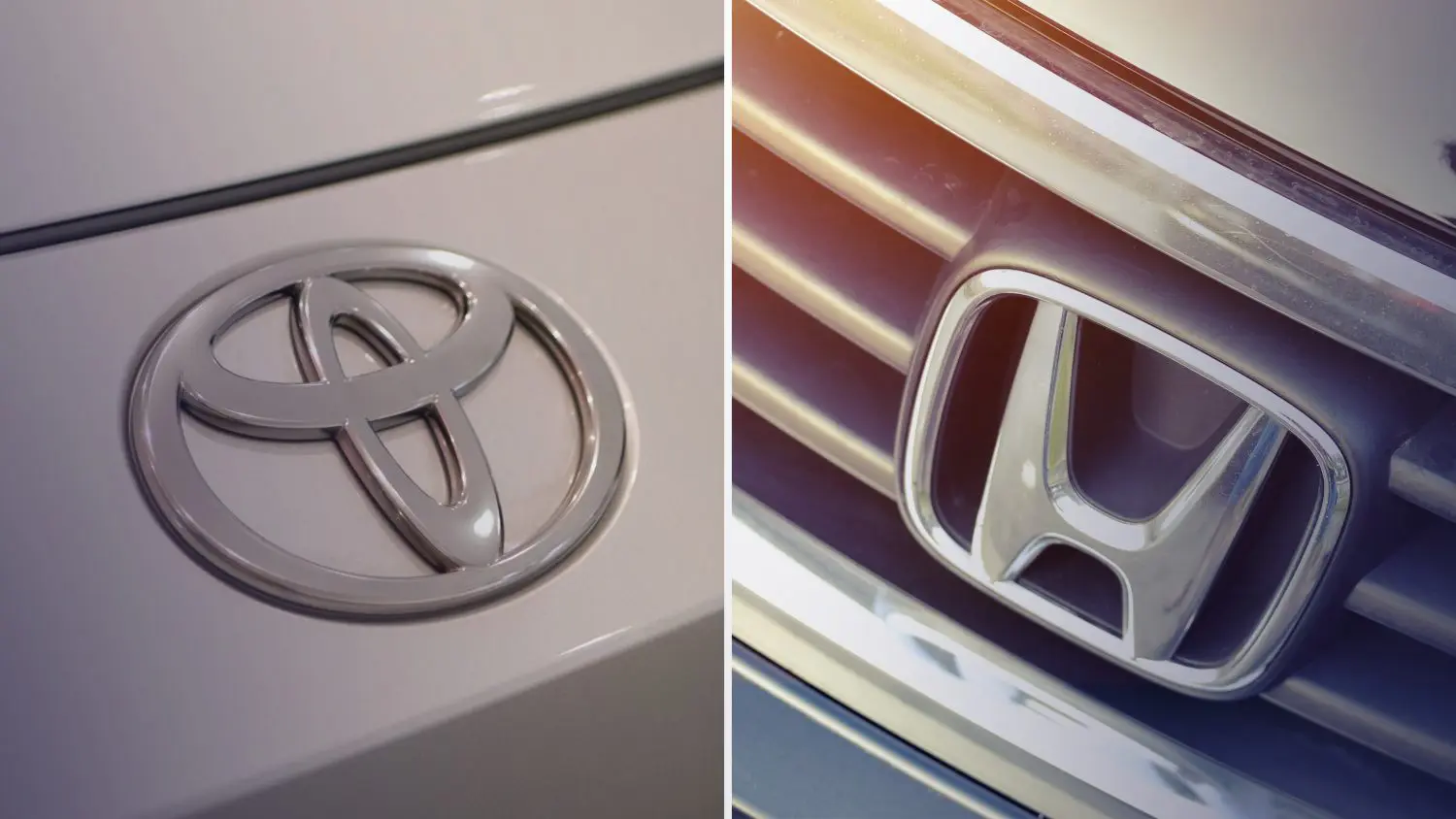
Japan’s Toyota Motor and Honda Motor are expected to report a first-quarter earnings decline this week. Despite strong consumer demand for its hybrid units and in its critical markets abroad, the impact of the U.S. import tariffs and stronger yen will likely reduce its profits.

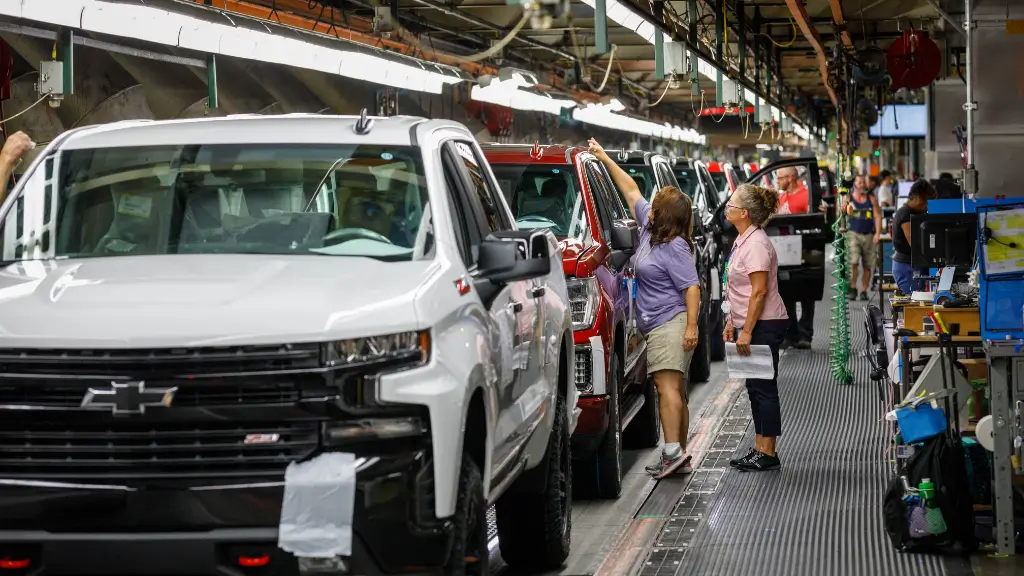
According to Bloomberg Intelligence, Japanese auto exports to the United States fell by 19% in June, marking the most significant drop since 2016. While both carmakers have a manufacturing footprint in the U.S., pressure from the tariffs is likely causing them to reduce shipments and reallocate their inventory.

However, a recent trade deal between the U.S. and Japan, which lowers tariffs on Japanese goods from 25% to 15%, may provide some relief. The lower tariff rate went into effect on Friday, Aug. 1.

Here’s why it matters:

Toyota and Honda are navigating the dual pressures of currency fluctuation and trade policy shifts at a time when global demand for electrified vehicles is accelerating. Their earnings results will serve as an early signal of how Japanese automakers may adapt their supply chains and pricing strategies in response to protectionist U.S. policies. The new trade agreement could help ease some cost burdens, but it also places greater scrutiny on future investments, production locations and the long-term viability of exporting from Japan to the U.S.

Sign up for CBT News’ daily newsletter and get the latest industry stories delivered straight to your inbox.

Key takeaways:

  • Toyota and Honda will likely report a decline in first-quarter profits
    A stronger yen and the impact of the United States auto tariffs will take a bite out of profits.
  • The U.S.-Japan trade agreement lowers tariffs from 25% to 15%
    As part of the agreement, Japan will invest $550 billion into the United States, although the details surrounding the investment remain unclear. The lower tariff rate went into effect Friday, Aug. 1.
  • Tariff pressure may accelerate nearshoring of vehicle production
    Faced with rising costs, Japanese automakers could continue expanding their North American operations to avoid long-term export volatility.
  • Auto exports from Japan to the U.S. declined 19%
    Toyota and Honda have a manufacturing presence within the United States. This decline reflects a shifting production strategy as Japanese automakers navigate the tariffs.
  • Japan was the fifth-largest exporter to the U.S. in 2024
    Last year, Japan exported roughly $150 billion in goods to the United States, making it a critical trading partner.

Read More
More from Articles
The simple 'paperwork' mistake that could cost dealers $10,000

The simple ‘paperwork’ mistake that could cost dealers $10,000

- May 13, 2026
On the Dash: CDK Global says a paperwork problem cost a dealer $10,000 during a manufacturer audit. NADA calls federal record-keeping requirements among the most burdensome rules dealers face today. ...
GM-LG battery venture recalls small group of Ohio workers as EV demand slows

GM-LG battery venture recalls small group of Ohio workers as EV demand slows

- May 13, 2026
On the Dash: EV production volatility is directly affecting supply chain employment and factory output decisions. Incentive-driven demand shifts are forcing automakers to adjust production more quickly than long-term EV...
Nissan projects return to profit after seventh straight quarterly loss

Nissan projects return to profit after seventh straight quarterly loss

- May 13, 2026
On the Dash: Nissan’s projected return to profit could improve dealer confidence after multiple quarters of financial instability. Ongoing model cuts and production restructuring may impact future inventory mix and...
New-vehicle prices rose in April, but the gains fell short of the historical average, with wide variation across brands and segments, according to Kelley Blue Book.

New-vehicle prices rise in April, but the pace is cooling

- May 13, 2026
On the Dash: New-vehicle ATP rose 1.8% year over year in April, below the 3.6% long-term average. Ford and GM posted strong gains while several luxury brands saw transaction prices...
CBT News
Privacy Overview

This website uses cookies so that we can provide you with the best user experience possible. Cookie information is stored in your browser and performs functions such as recognising you when you return to our website and helping our team to understand which sections of the website you find most interesting and useful.