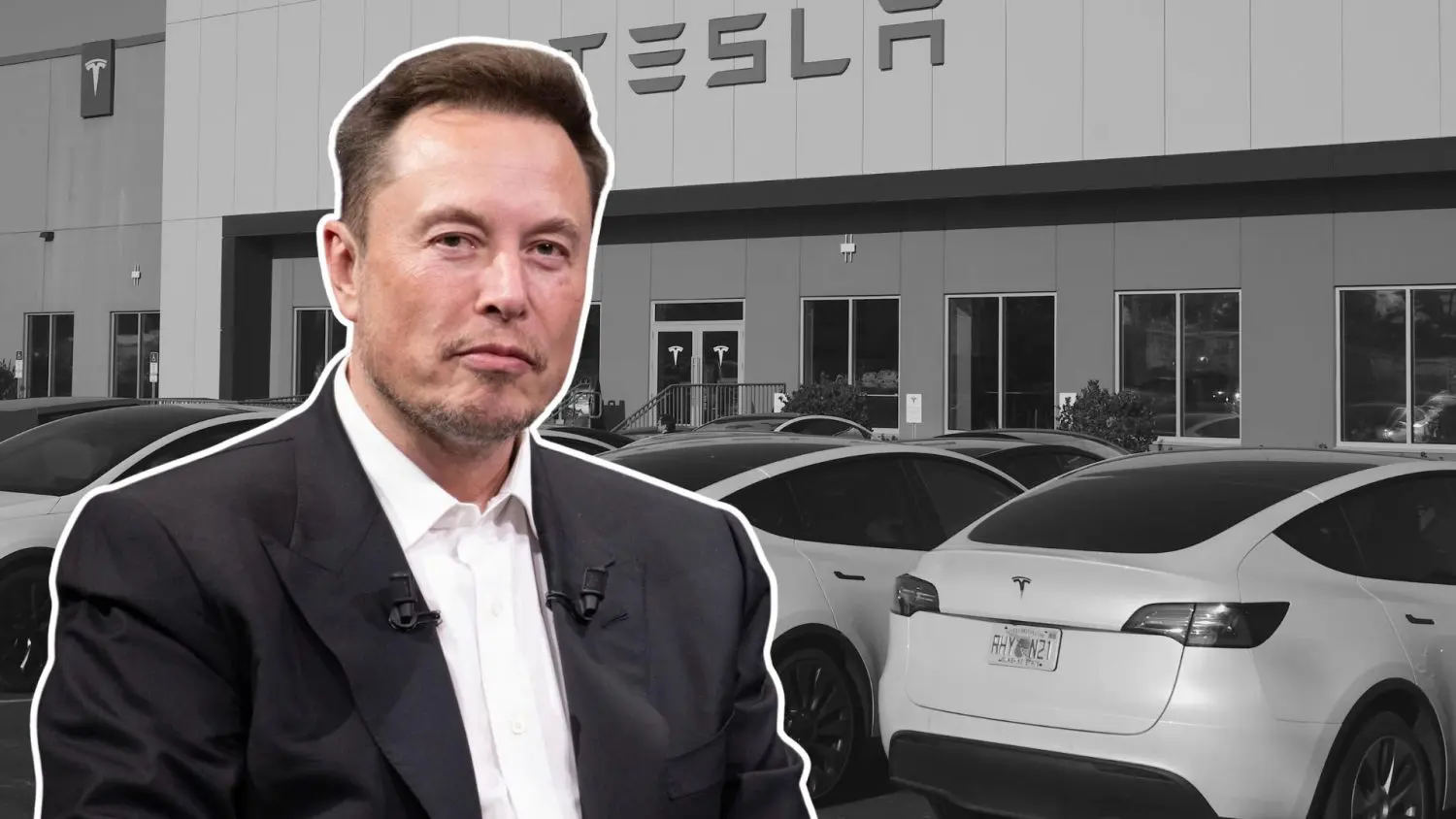
Tesla’s brand loyalty has sharply declined in the U.S. since CEO Elon Musk publicly endorsed Donald Trump in July 2024, according to exclusive S&P Global Mobility data shared with Reuters. Once a leader in customer retention, Tesla’s loyalty rate fell from a peak of 73% in June 2024 to just under 50% by March 2025. The drop coincides with heightened political involvement from Musk and rising competition from legacy and emerging EV brands.
Although Tesla remains the EV sales leader in the U.S., its market dominance is slipping due to political backlash, a limited product lineup, and increased competition. The company’s loyalty rate has since rebounded modestly to 57.4% in May but still trails key rivals like Chevrolet and Ford.
Here’s why it matters:
This shift in loyalty presents a rare opening for dealers representing rival EV brands or more politically neutral automakers. With Tesla losing its once-devoted base and facing slower customer acquisition, dealers have an opportunity to attract defecting Tesla owners. Understanding brand migration trends can help dealerships fine-tune their inventory strategy and marketing campaigns to capture these disenchanted buyers.
Key takeaways:
- Tesla loyalty plunges
Tesla’s U.S. customer loyalty rate dropped from 73% in June 2024 to 49.9% in March 2025, falling below the industry average, according to S&P data. - Political fallout
The loyalty decline began after Musk endorsed Donald Trump, with analysts citing political polarization among eco-conscious customers. - Recovery still weak
While loyalty rebounded to 57.4% in May 2025, Tesla still trails behind competitors like Chevrolet and Ford in retaining buyers. - Shift in customer migration
Tesla now gains fewer than two households for every one it loses, which is a dramatic reversal from its previous 5-to-1 customer inflow ratio. - Dealer opportunity
Brands like Rivian, Polestar, and Cadillac are gaining former Tesla customers, presenting an opening for dealers to win over defectors.