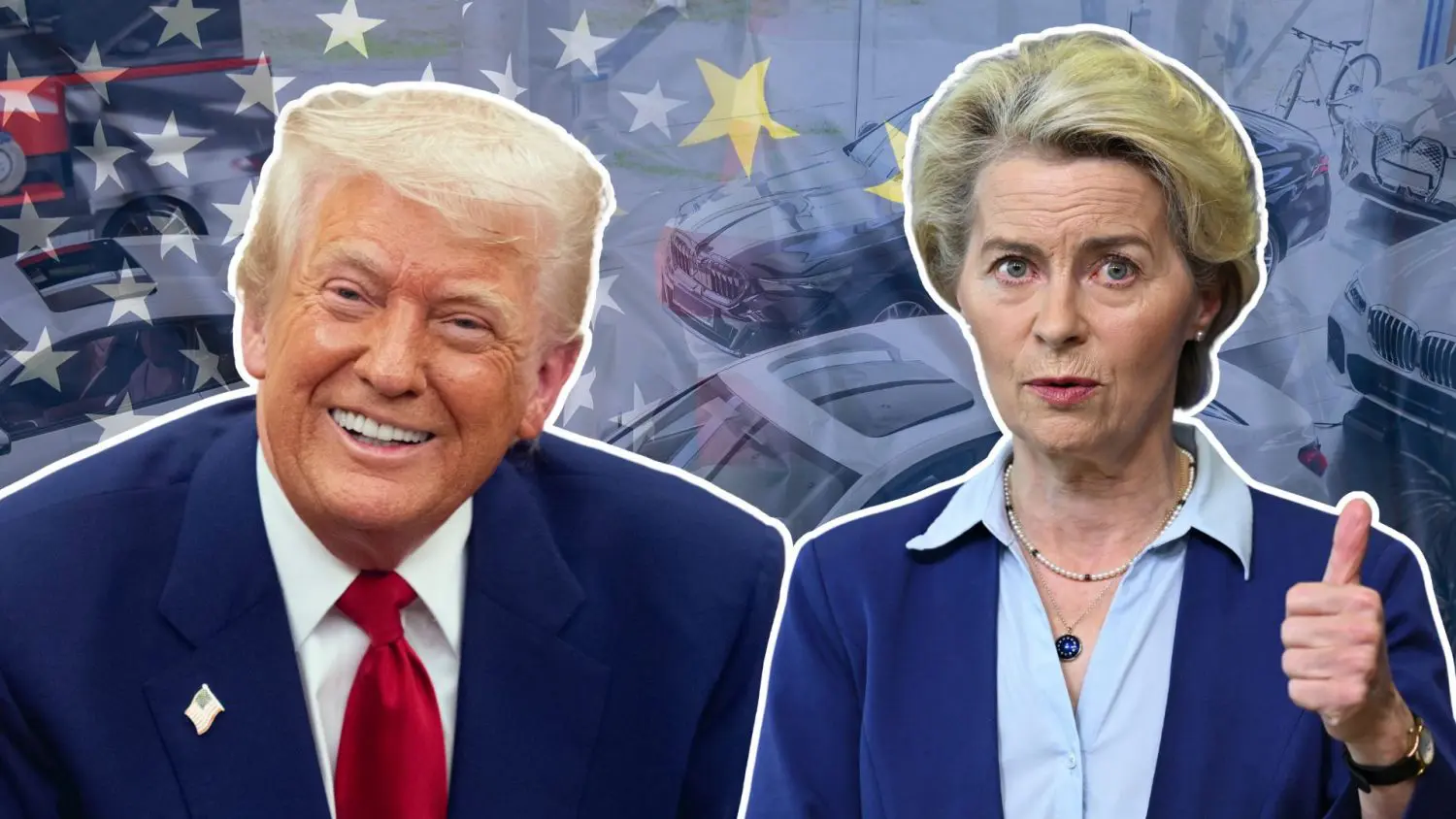
The United States and European Union reached a framework trade agreement on Sunday that establishes a 15% baseline tariff on nearly all EU goods entering the U.S., including cars, which previously faced a 27.5% tariff. The deal marks a significant easing of trade tensions and removes months of uncertainty for industries and consumers on both sides of the Atlantic. While tariffs on steel and aluminum will remain at 50% temporarily before transitioning to a quota system, zero tariffs will apply to sectors such as aircraft, pharmaceuticals, semiconductor equipment, and select agricultural products.
The EU is also committed to purchasing $250 billion in U.S. liquefied natural gas over a three-year period, along with nuclear fuel and military equipment. This agreement is a key development for the automotive sector, particularly for car dealers reliant on European imports.
Here’s why it matters:
Car dealers selling European brands stand to benefit from the tariff reduction from 27.5% to 15%, which may ease vehicle pricing pressures and stabilize supply chains. This more transparent trade framework reduces uncertainty in inventory planning and pricing strategies, which is critical for dealers marketing European luxury and mainstream vehicles. However, steel and aluminum tariffs remain high for now, which may indirectly affect manufacturing costs. Dealers should monitor developments in tariff rates for chips and pharmaceuticals, as decisions on these sectors remain pending but may impact vehicle technology and cost.
Key takeaways:
- Car tariffs cut to 15%
The new baseline tariff for EU-made vehicles entering the U.S. is set at 15%, down from 27.5%, which eases the cost burdens for automakers and dealers. - Zero tariffs on key sectors
The deal eliminates tariffs on aircraft, certain chemicals, generic drugs, semiconductor equipment, and some agricultural products. - Steel and aluminum tariffs stay temporarily high
Existing 50% tariffs on European steel and aluminum remain, but will eventually be replaced by a quota system. - EU commits to major U.S. energy purchases
The EU plans to purchase $250 billion in liquefied natural gas and nuclear fuel over the next three years, thereby strengthening its transatlantic energy ties. - Investment and military equipment pledges
European companies are expected to invest $600 billion in the U.S., and the EU will purchase U.S. military equipment as part of a broader trade framework.