Major automakers say that freedom is under threat – not from overseas competitors, but from our own federal government. America was built on innovation. From the assembly line to the muscle car, the auto industry has long symbolized American freedom, ingenuity, and progress.
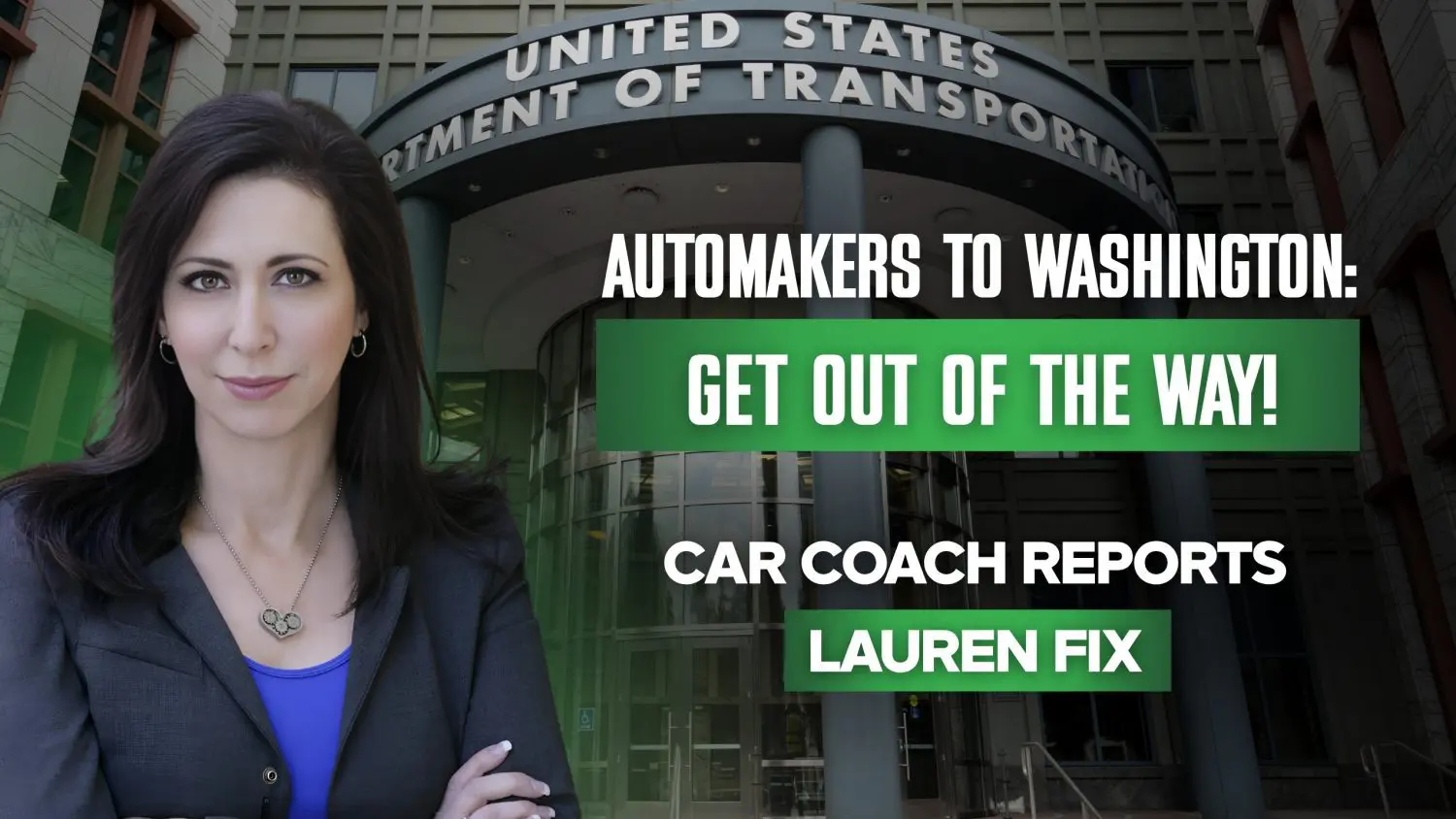
At the center of the growing storm is the National Highway Traffic Safety Administration (NHTSA), a little-known federal agency that’s becoming a big problem for companies trying to build the next generation of vehicles. According to some of the country’s biggest auto manufacturers, NHTSA’s outdated and inflexible regulations are “stifling innovation” and holding back life-saving technology.
In other words, the bureaucracy is driving the car – and it’s headed straight for a brick wall.
A system built for the past
The rules in question weren’t written for modern vehicles. Many of NHTSA’s regulations date back to the 1970s and ’80s; An era when cars were analog machines, not a computer on wheels. Yet those same rules are still being used to govern vehicles that now use artificial intelligence, advanced sensors, over-the-air updates, and even self-driving software.
For years, automakers have worked within the system. But now, they’re speaking up. Loudly. They’re calling on Washington to modernize or repeal the red tape that’s blocking progress and delaying the rollout of technologies that could make cars smarter, safer, and more efficient.
Common-sense innovation blocked by red tape
One glaring example? Adaptive headlights, which automatically adjust based on traffic and road conditions. These are common in Europe and proven to reduce nighttime crashes. But in the U.S., they were illegal until recently because the old rules didn’t even account for the technology. That’s just one example. Dozens of similar systems (many designed to save lives) are caught in regulatory limbo.
It’s not just about headlights. Software updates, driver-assist systems, and electric vehicle technologies are all tangled in layers of outdated laws. In some cases, companies are required to submit to the same lengthy approval process for a software tweak as they would for a physical recall. That’s not just inefficient, it’s absurd.
Autonomous vehicles: A regulatory gridlock
Then there’s the issue of autonomous vehicles. Tesla, Waymo, Cruise, and nearly every major carmaker are pouring billions into self-driving tech. But NHTSA has yet to establish a clear framework for autonomous vehicles—leaving companies to navigate a confusing patchwork of state regulations and federal silence.
What’s the result? The U.S. is falling behind. While other countries race forward with real-world deployment of driverless fleets, American companies are stuck waiting for Washington to decide how (or if) they’re allowed to proceed.
Worse yet, when NHTSA does act, it often does so with caution bordering on paralysis. The agency seems more concerned with protecting itself from criticism than encouraging innovation that could actually reduce accidents and save lives.
Regulation without representation
Let’s be honest, this isn’t just about technology. It’s about control. NHTSA isn’t an elected body. It’s an unelected bureaucracy with the power to shape an entire industry. And when that power goes unchecked, it undermines both innovation and the public’s trust.
The same government that pushed EV mandates and picked technology winners and losers is now micromanaging the development of safety features and autonomous systems. That’s not how a free market is supposed to work. Americans deserve safe roads, but they also deserve choice, competition, and progress.
Consumers left behind
All of this affects you more than you may realize. These regulatory delays mean American consumers are the last to get access to new safety technologies, the most limited in vehicle choice, and often pay more for outdated systems because innovation has been stifled by design.
We talk a lot about freedom in this country. But what does it mean when government regulators are dictating what technologies you can and can’t have in the car you buy with your own money?
Time to shift gears
Automakers aren’t asking to cut corners. They’re asking for a regulatory framework that reflects today’s technology, not yesterday’s fears. The fix isn’t complicated: modernize the rules, streamline the process, and let innovation flourish without government micromanagement.
If Washington wants to lead on vehicle safety and innovation, it needs to start by listening to the people who actually build cars. Not the bureaucrats trying to reinvent the wheel.
It’s time for lawmakers to rein in NHTSA and bring American automotive policy into the 21st century. We cannot afford to let our industry, and our freedom, be choked by rules written for a world that no longer exists.
The road to the future is clear. The question is: Will Washington get out of the way?
Check out my full commentary on this story: http://youtu.be/TAsDaz-3QKQ
You can support me by buying me a cup of coffee. Thanks for subscribing and your support! https://www.
Looking for more automotive news? https://www.
Listen to The Drive Car Show – https://www.youtube.com/@thedrivecarshow