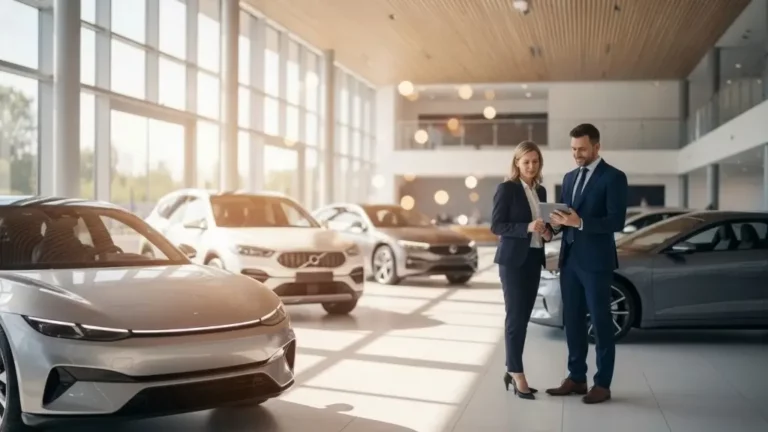
New data from the 2025 Urban Science and Harris Poll Automotive Buyer Influence Study highlights a widening disconnect between U.S. auto dealers and consumers. While most dealers feel more confident about their future than they did five years ago, many buyers remain hesitant due to persistent affordability concerns, skepticism about electric vehicles (EVs), and declining trust in artificial intelligence (AI).
A survey of more than 3,000 consumers and over 250 dealers revealed that dealers are embracing EVs and digital tools more aggressively, reporting revenue growth from both. However, consumers continue to cite range anxiety, high EV costs, and limited infrastructure as key barriers to adoption. While 89% of dealers are implementing AI, many buyers are skeptical about its role due to concerns over transparency and privacy, leading to a decline in trust.
Consumers also remain cautious about the long-term impact of tariffs and economic pressures. Affordability remains a top concern, despite slight improvements in sentiment between early 2025 and May. Meanwhile, although buyers still prefer in-person dealership experiences, trust in the traditional model appears to be eroding—especially as more dealers prepare for increased direct-to-consumer (DTC) competition.
Here’s why it matters:
Dealers depend on aligning inventory, technology, and financing with consumer demand. The disconnect revealed by this study suggests that dealers may be overinvesting in EV and AI initiatives that buyers are not yet ready to embrace. Understanding consumer hesitations on range, charging, data privacy, and cost will help dealers tailor their sales strategies, digital investments, and in-store experiences to close the perception gap and drive more showroom traffic.
Key takeaways:
- Dealer optimism is growing, but not shared by buyers
75% of dealers believe growth is easier today than five years ago—yet buyers are still wary of new tech and higher prices. - EV adoption is ahead at the dealer level, not with consumers
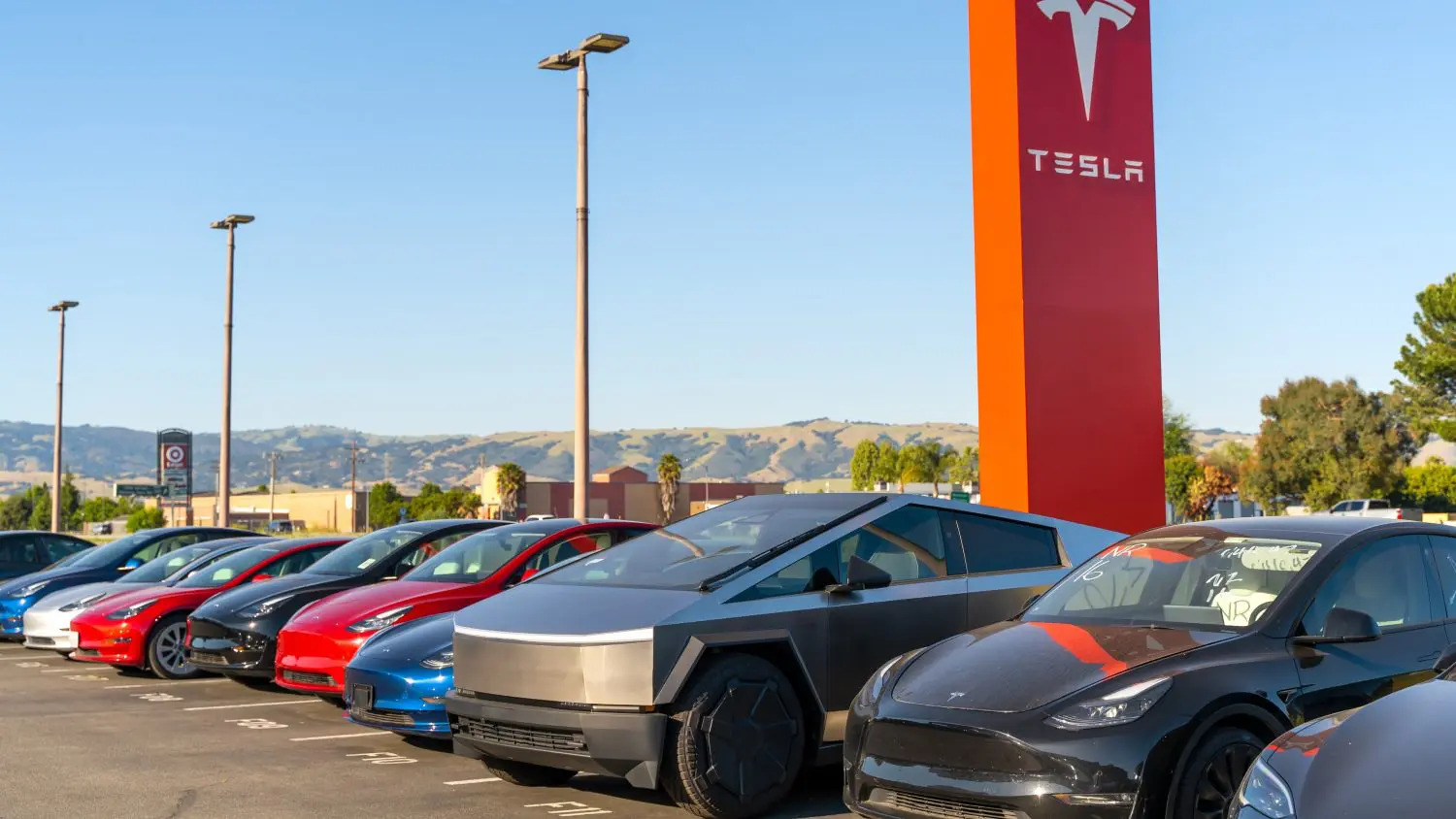
87% of dealers report EV revenue growth, but only 16% of consumers feel EVs meet their current needs, and many are now less likely to buy EVs under the Trump administration. - AI use is rising among dealers, while trust drops among buyers
89% of dealers are using or planning to use AI, but only 31% of consumers say it improves the buying process, citing privacy and transparency concerns. - Affordability remains a top barrier despite easing concerns
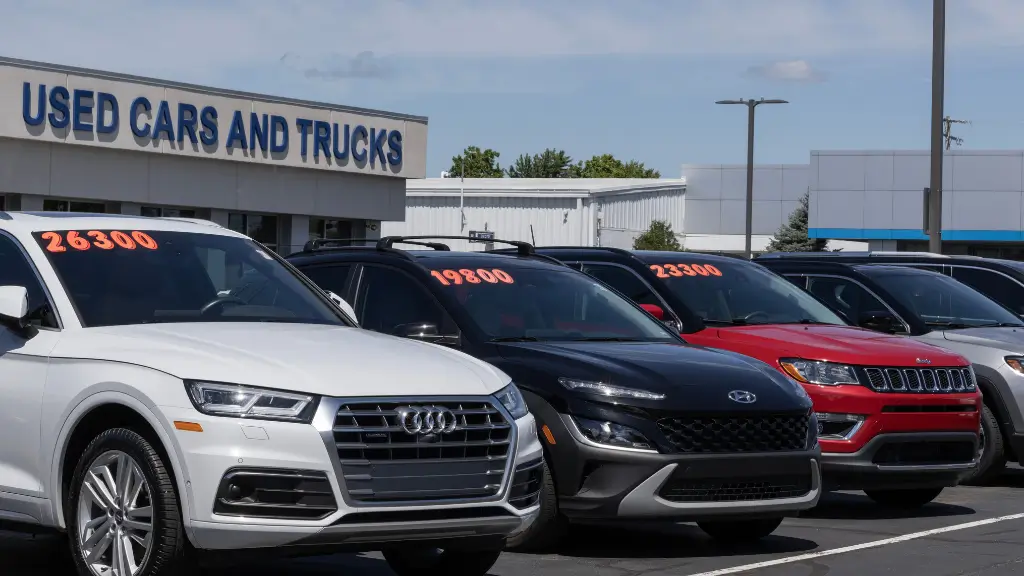
56% of buyers still cite affordability as their biggest concern, and 67% say tariffs have changed what, when, or how they buy. - Buyers still prefer traditional dealerships—but trust is slipping
While 90% of consumers prefer buying in-store, only 37% believe the dealership model is optimized for the future, compared to 61% of dealers.