TSLA313.030-6.66%
GM82.6401.97%
F14.3500.2%
RIVN15.840-0.62%
CYD45.070-0.77%
HMC28.1600.17%
TM177.4200.62%
CVNA60.4600.27%
PAG217.3501.81%
LAD340.9506.93%
AN208.1803.08%
GPI330.8704.19%
ABG225.2403.1%
SAH99.8200.71%
TSLA313.030-6.66%
GM82.6401.97%
F14.3500.2%
RIVN15.840-0.62%
CYD45.070-0.77%
HMC28.1600.17%
TM177.4200.62%
CVNA60.4600.27%
PAG217.3501.81%
LAD340.9506.93%
AN208.1803.08%
GPI330.8704.19%
ABG225.2403.1%
SAH99.8200.71%
TSLA313.030-6.66%
GM82.6401.97%
F14.3500.2%
RIVN15.840-0.62%
CYD45.070-0.77%
HMC28.1600.17%
TM177.4200.62%
CVNA60.4600.27%
PAG217.3501.81%
LAD340.9506.93%
AN208.1803.08%
GPI330.8704.19%
ABG225.2403.1%
SAH99.8200.71%

Trump admin moves to reverse Biden-era fuel economy standards

Transportation Secretary Sean Duffy says previous rules were illegal; changes could ease pressure on automakers and slow EV adoption.
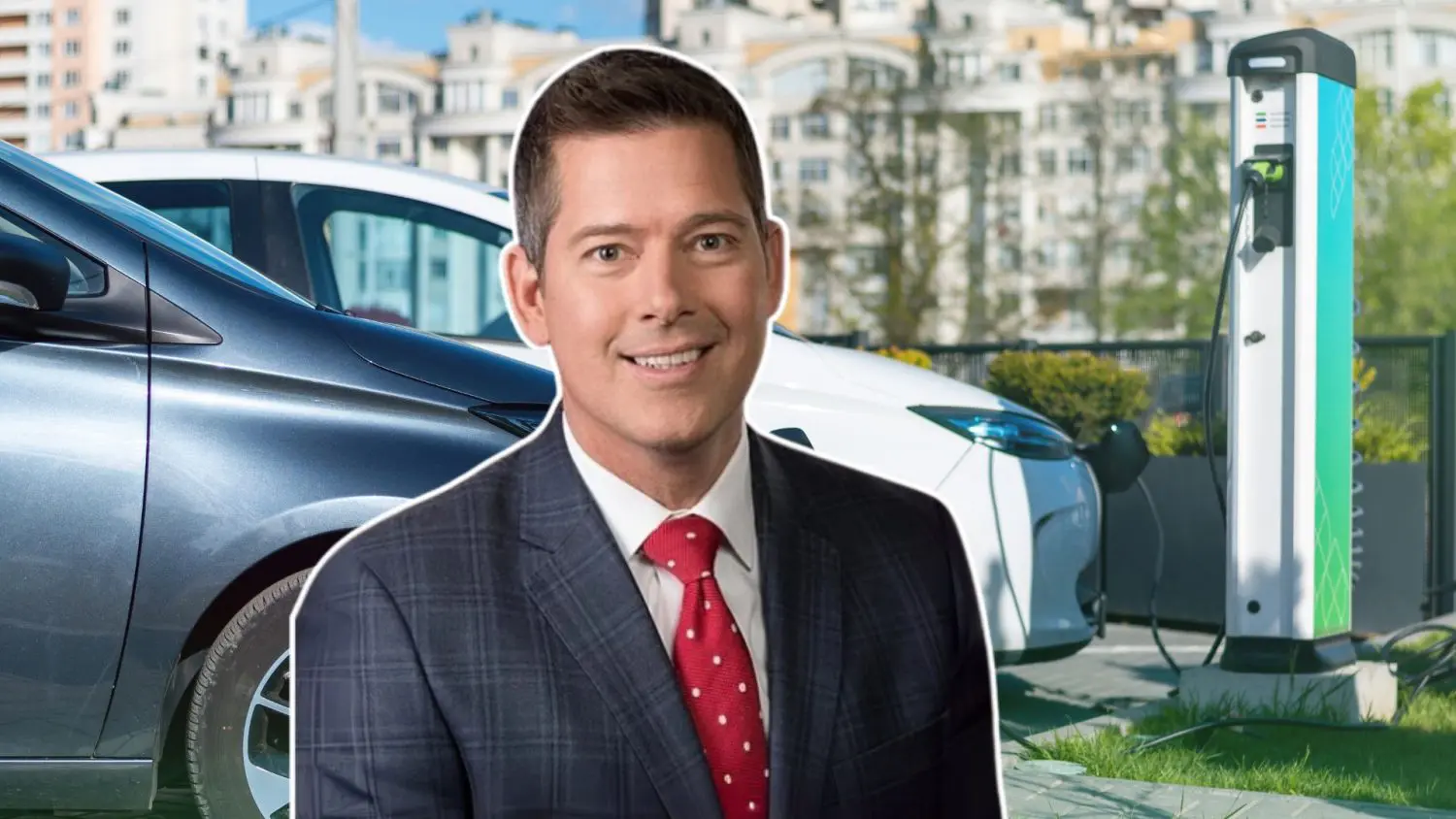
The Trump administration is moving to overturn Biden-era fuel economy regulations, with Sean Duffy announcing that the rules were unlawful.

The Trump administration is moving to overturn Biden-era fuel economy regulations, with Transportation Secretary Sean Duffy announcing Friday that the rules were unlawful and initiating a rollback. The change could reduce regulatory burdens for automakers and potentially stall the nation’s shift toward electric vehicles (EVs).

The Transportation Department’s newly issued rule claims the previous administration violated federal law by incorporating EVs into the formula for national fuel economy standards. Although the rule does not immediately alter current regulations, it authorizes the National Highway Traffic Safety Administration (NHTSA) to make adjustments in the months ahead.

Sign up for CBT News’ daily newsletter and get the latest industry stories delivered straight to your inbox.

Lawmakers and industry groups respond

In parallel, Republican lawmakers added provisions to the pending Senate budget bill that would eliminate penalties for automakers that fail to meet fuel economy standards with gasoline-powered vehicles. Together, these moves signal a broader effort by the Trump administration to reverse course on electric vehicle support.

However, under the Biden administration, automakers faced a requirement to achieve an average of 50 miles per gallon by 2031, up from the current 39 mpg for light-duty vehicles. The rules, finalized in 2024, mandated annual increases of 2% in fuel efficiency for passenger cars beginning in 2027, and for light trucks starting in 2029. The standards were partially based on projected growth in EV sales.

Industry groups argue that the Biden-era targets were unrealistic and based on faulty assumptions. Environmental advocates warn that reversing the rules will lead to increased fuel costs, fewer clean-vehicle options, and higher levels of pollution.

The fuel economy debate is unfolding alongside renewed political tension over EV policies. A recent public exchange between Donald Trump and Tesla CEO Elon Musk highlights the divide, particularly as new budget proposals threaten to roll back EV tax credits.

Fuel economy standards, first enacted in response to the 1970s energy crisis, are a core element of U.S. transportation policy. Transportation remains the nation’s largest source of greenhouse gas emissions, with cars and trucks responsible for over half of those emissions. While automakers have made strides in improving the efficiency of gas-powered vehicles, the rollback of these rules could hinder further environmental progress.

Read More
More from Articles
Trump touts U.S. auto manufacturing during visit to Michigan

Trump touts U.S. auto manufacturing during visit to Michigan

- July 27, 2026
On the Dash: President Donald Trump will visit GM's Milford Proving Ground to highlight his administration's manufacturing and trade agenda. GM confirms CEO Mary Barra will attend as the automaker...
GM invests $432 million in U.S. plants to expand manufacturing, modernize production

GM invests $432 million in U.S. plants to expand manufacturing, modernize production

- July 27, 2026
On the Dash: GM announced more than $432 million in new investments across two U.S. manufacturing facilities. The automaker is investing $157 million in Wentzville Assembly and more than $275...
JD Power

JD Power projects July new-vehicle sales will rise 1.4% as hybrid demand offsets affordability pressures

- July 27, 2026
On the Dash:  July new-vehicle sales are projected to reach 1.42 million units, with a 16.9 million SAAR, the highest pace of 2026. Hybrid demand continues to climb while EV...
Waymo's driverless cars crash 68% less than humans, IIHS study finds

Waymo’s driverless cars crash 68% less than humans, IIHS study finds

- July 24, 2026
On the Dash: Waymo vehicles crashed 68% less often than human drivers over 50 million miles studied Single-vehicle crashes dropped 85% and injury crashes dropped 81% compared with human...
CBT News
Privacy Overview

This website uses cookies so that we can provide you with the best user experience possible. Cookie information is stored in your browser and performs functions such as recognising you when you return to our website and helping our team to understand which sections of the website you find most interesting and useful.