TSLA349.270-25.14001%
GM79.917-1.8329%
F11.2820.0417%
RIVN10.485-0.805%
CYD20.335-1.035%
HMC32.830-0.52%
TM209.035-1.935%
CVNA64.600-3.4%
PAG212.2750.175%
LAD290.7101.36011%
AN175.390-0.66%
GPI257.780-1.25%
ABG199.7500.77%
SAH60.4001.19%
TSLA349.270-25.14001%
GM79.917-1.8329%
F11.2820.0417%
RIVN10.485-0.805%
CYD20.335-1.035%
HMC32.830-0.52%
TM209.035-1.935%
CVNA64.600-3.4%
PAG212.2750.175%
LAD290.7101.36011%
AN175.390-0.66%
GPI257.780-1.25%
ABG199.7500.77%
SAH60.4001.19%
TSLA349.270-25.14001%
GM79.917-1.8329%
F11.2820.0417%
RIVN10.485-0.805%
CYD20.335-1.035%
HMC32.830-0.52%
TM209.035-1.935%
CVNA64.600-3.4%
PAG212.2750.175%
LAD290.7101.36011%
AN175.390-0.66%
GPI257.780-1.25%
ABG199.7500.77%
SAH60.4001.19%

Congressional bill targets EV tax credit, threatening major price hikes by 2026

Proposed House legislation would phase out core EV incentives, including commercial leasing credits that have driven most recent EV sales.
A new Republican-led proposal in Congress could eliminate key EV tax incentives by the end of 2026, potentially raising prices by thousands.

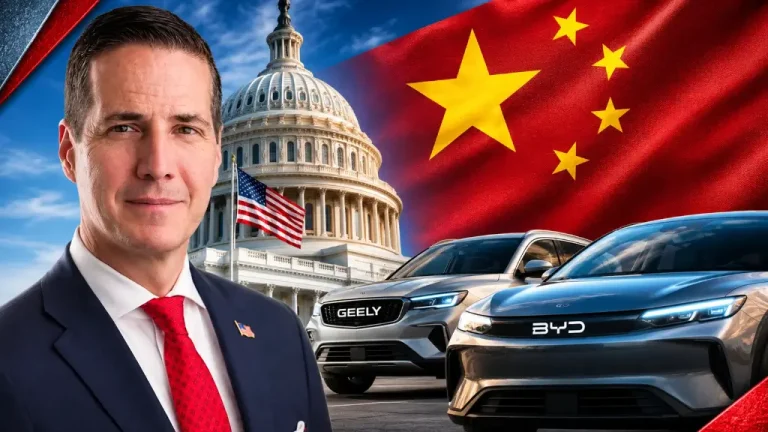
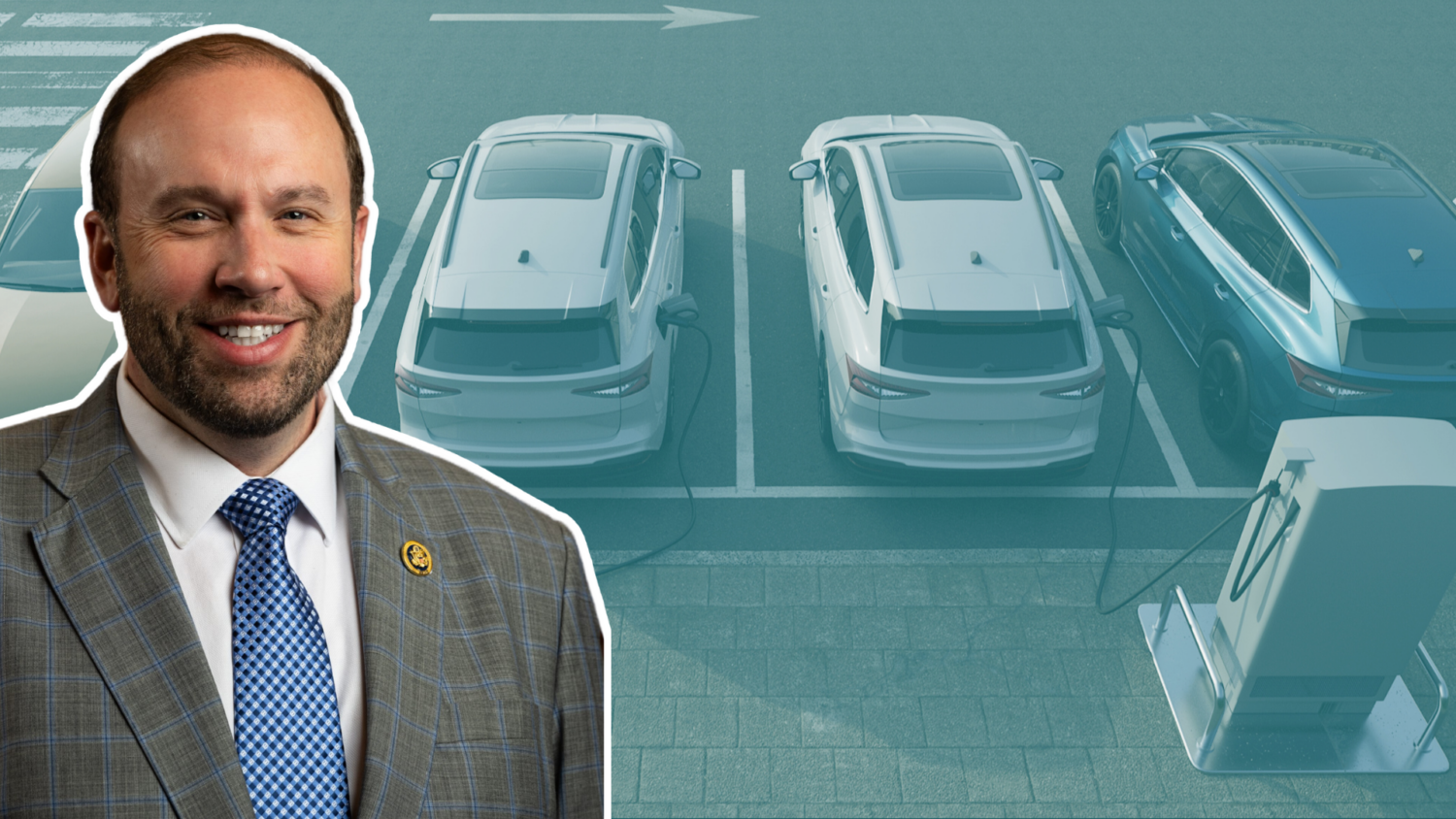
House Ways & Means committee Chairman Jason Smith

A new Republican-led proposal in Congress could eliminate key electric vehicle tax incentives by the end of 2026, potentially raising EV prices by thousands of dollars and reshaping U.S. adoption of battery-powered cars. 

The legislation, introduced Monday by the House Ways and Means Committee, seeks to roll back three major tax credits that have helped power EV sales under Former President Joe Biden’s Inflation Reduction Act. If passed, the changes would significantly limit the affordability of EVs for both individuals and businesses.

  1. The proposal would phase out the $7,500 consumer tax credit for new EV purchases, limiting eligibility starting in January to automakers that have sold fewer than 200,000 EVs. That threshold would exclude market leaders such as Tesla, Ford, and General Motors, while reducing options for consumers seeking vehicles that qualify for the credit.
  2. A $4,000 tax credit for used EV purchases would be eliminated entirely at the end of the year.
  3. The most consequential cut for the auto industry would be the termination of the $7,500 commercial vehicle credit, also slated to end this year.

Sign up for CBT News’ daily newsletter and get the latest industry stories delivered straight to your inbox.

According to Edmunds, automakers have widely used this provision to reduce lease prices for EVs, with leasing accounting for up to 80% of monthly EV transactions. Removing the credit could sharply increase monthly lease costs for consumers.

The bill marks a direct challenge to the Biden administration’s clean energy agenda. The Inflation Reduction Act had expanded EV tax benefits in an effort to accelerate the transition to electric vehicles. Now, Republicans—echoing criticism from President Trump, who has called the credits a “corporate giveaway”—are aiming to unwind those incentives.

The proposed 200,000-unit cap would further narrow the field of qualifying vehicles, particularly affecting brands like Rivian and Kia, which are nearing the sales limit.

With the EV market already cooling—sales dropped 5% in April—analysts warn that ending these credits could further dampen consumer demand. Industry groups representing automakers declined to comment on the legislation.


Read More

More from EVs & Technology
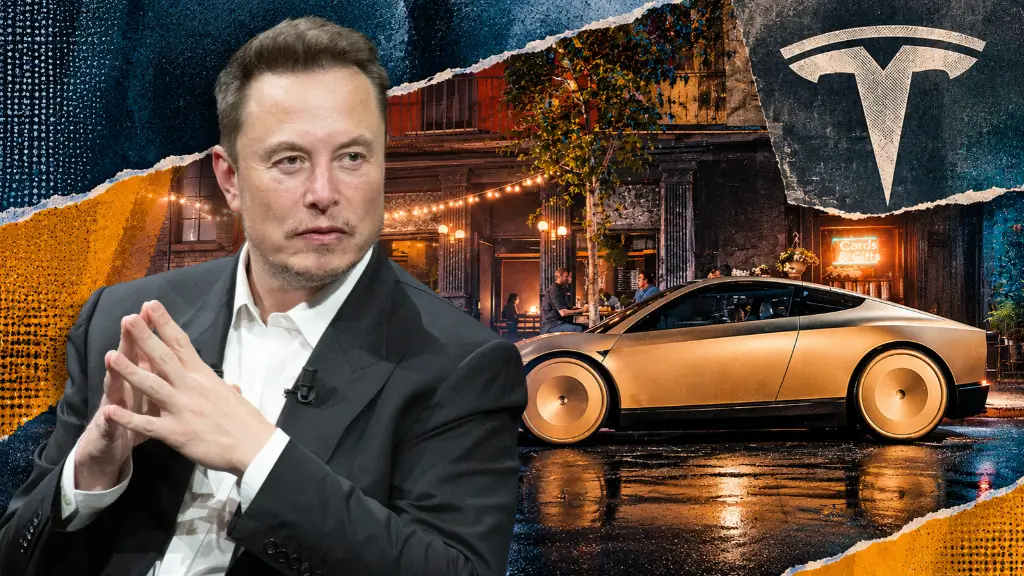
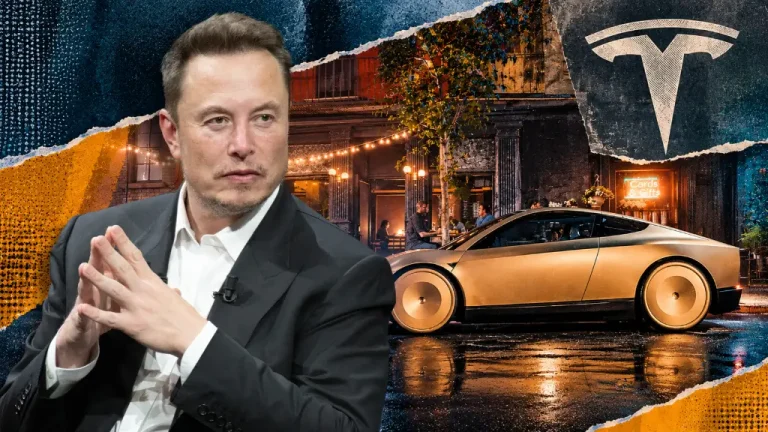
Tesla offers Cybercabs to select customers, Musk calls $299 monthly fee too high

Tesla offers Cybercabs to select customers, Musk calls $299 monthly fee too high

- November 20, 2026
On the Dash: Tesla Cybercab orders opened to select customers at $29,990 before taxes, with December delivery estimated. A required $299 monthly Autonomy Subscription lets the vehicle operate, and Musk...
VINCUE secures $93M investment to accelerate AI platform development, dealer expansion

VINCUE secures $93M investment to accelerate AI platform development, dealer expansion

- November 19, 2026
On the Dash: VINCUE closed a $93 million growth capital investment led by Wavecrest Growth Partners, with additional participation from existing investor FM Capital. The funding will support VINCUE's product...
Ford begins U.S. production of battery cells with Chinese tech

Ford begins U.S. production of battery cells using Chinese tech

- November 19, 2026
On the Dash: Ford LFP battery cells are now shipping from its Marshall, Michigan, plant for Fathom prototypes. The company plans to ramp up production next year ahead of the...
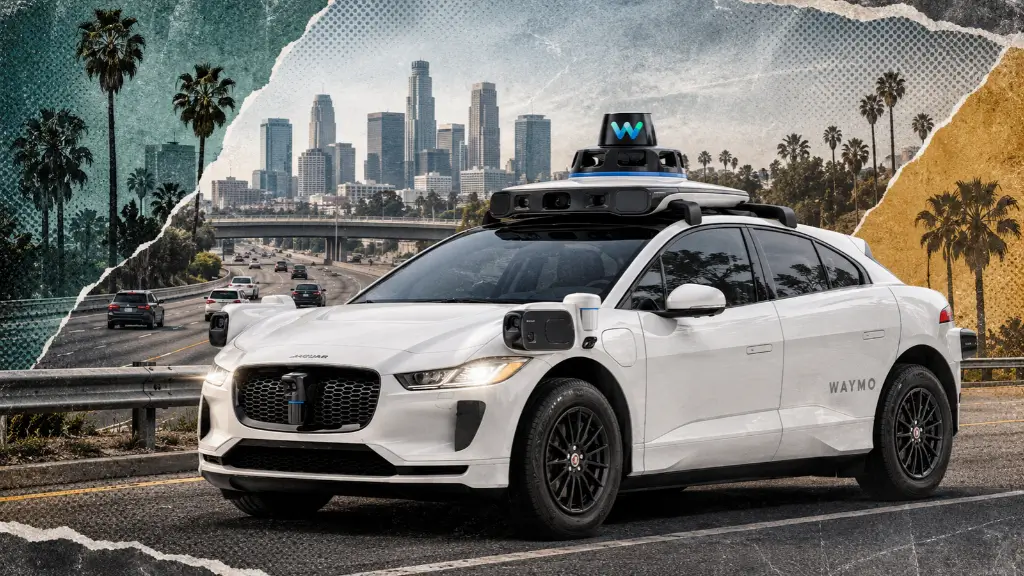
Waymo halts robotaxi freeway rides in U.S. after California ban

Waymo halts robotaxi freeway rides in U.S. after California ban

- November 18, 2026
On the Dash: Waymo freeway ban in California took effect last week after robotaxis entered active construction zones. The California DMV says the restriction stays until Waymo shows effective corrective...

Add us as a preferred source on Google

CBT News
Privacy Overview

This website uses cookies so that we can provide you with the best user experience possible. Cookie information is stored in your browser and performs functions such as recognising you when you return to our website and helping our team to understand which sections of the website you find most interesting and useful.