The U.S. Environmental Protection Agency (EPA) has approved California’s ambitious plan to end the sale of gasoline-only vehicles by 2035. This landmark decision, made during the final weeks of the Biden administration, lays the groundwork for a potential battle over the direction of vehicle regulations in the U.S., as it faces opposition from incoming leaders.
Under the newly approved plan, California will require that by 2035, at least 80% of all new vehicles sold in the state be electric, with up to 20% being plug-in hybrid electric vehicles (PHEVs). These regulations, first announced in 2020, have already been adopted by 11 other states, including major markets such as New York, Massachusetts, and Oregon.
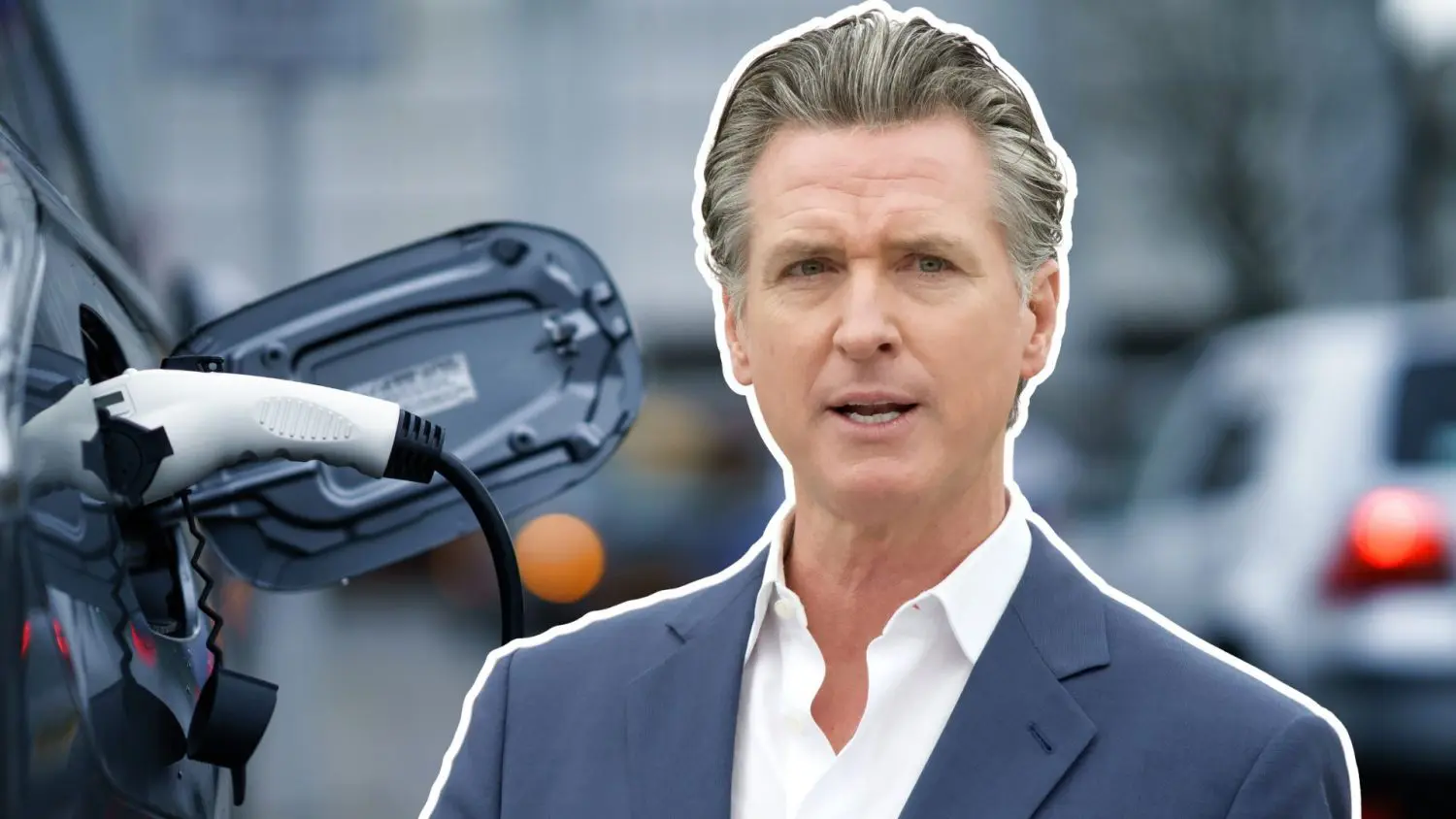
Governor Gavin Newsom hailed the decision, saying, “Clean cars are here to stay.” He also stressed that California would continue driving innovation in the automotive market despite criticism. Newsom specifically criticized President-elect Donald Trump’s stance, which is expected to include attempts to rescind California’s ability to impose stricter vehicle emissions standards.
In addition, the approval includes a waiver under the Clean Air Act that allows California to enforce its rules on reducing nitrogen oxide (NOx) emissions in heavy-duty vehicles and engines, both on- and off-road. While California has secured this key regulatory milestone, six additional waivers are still pending, potentially adding further complexity to the regulatory landscape.
The regulations will begin ramping up in the 2026 model year, with a target of 35% of vehicles sold to be zero-emission models. That number is expected to soar to 68% by 2030, aligning with California’s goals for reducing greenhouse gas emissions and smog-forming pollutants.
Automaker reactions and concerns
On the other hand, this move has sparked concerns from major automakers and industry trade groups. The Alliance for Automotive Innovation, representing large automakers like General Motors (GM), Volkswagen, and Toyota, has expressed strong opposition. The group warned that California’s vehicle rules could lead to economic downturns, higher costs, and fewer consumer options. They argue that the mandates will limit vehicle production, particularly in the 12 states adopting California’s regulations.
The Alliance points out that most of the states following California’s rules are not yet prepared for the stringent requirements, which they say could be impossible to meet given the current market dynamics. Achieving the sales mandates under current market realities will take a miracle,” the group claimed, adding that the regulatory framework should be balanced, with some states potentially exiting the program.
As California continues to implement its plan, it faces legal challenges and political opposition. The Supreme Court recently agreed to hear a challenge from fuel producers regarding the waiver granted to California in 2022 for its vehicle emissions standards. This lawsuit and the looming uncertainty of a potential change in federal leadership create a volatile regulatory environment for California and the automakers working to comply with its rules.
Additionally, with the possibility of Trump’s administration rolling back federal EV incentives, such as the $7,500 EV tax credit, Governor Newsom has already indicated that California would step in with an alternative solution through its Clean Vehicle Rebate Program, ensuring continued support for electric vehicle adoption in the state.