
Electric vehicle (EV) adoption is on the rise, and while overall sales may fluctuate, one trend remains clear: EV owners are incredibly loyal to their vehicles.
According to a recent study from the Global EV Alliance, an overwhelming 92% of respondents indicated they would never return to an internal combustion engine (ICE) car. In fact, only 1% of the study population expressed a definitive intention to return to an ICE-only vehicle. Of the remaining 7%, 4% said they would opt for a plug-in hybrid (PHEV), while the rest were undecided.
The study, which surveyed over 23,000 EV drivers across 18 countries—including the USA, Canada, Austria, Brazil, France, and India—provides a global snapshot of the EV ownership experience. Researchers weighted the results according to each country’s global EV fleet share. This approach emphasizes larger markets, such as the U.S., where EV adoption is growing quickly, while smaller countries like Sweden, which has a significantly higher rate of EV penetration, have less influence.
Why EV Owners Are Staying Loyal
The loyalty EV owners show is not solely driven by environmental concerns. For instance, 45% cited the low operating costs of EVs compared to traditional gasoline or diesel vehicles as the primary reason for their continued preference. Environmental motivations were also significant, with 40% of respondents pointing to climate friendliness as a key factor. Other drivers of EV adoption included a desire to help the local environment (32%), solid driveability (21%), and lower maintenance costs (18%).
This feedback shows that people view EVs not only as eco-friendly options but also as more affordable and efficient alternatives to traditional vehicles. They offer lower operating and maintenance costs, are better for the environment, and provide many owners with a more satisfying driving experience.
However, despite the intense loyalty to EVs, one significant issue continues to overshadow the ownership experience: charging infrastructure. The study revealed that the biggest downside of driving an EV is the inconsistent availability of fast chargers. This is a critical concern, particularly in markets like the U.S., where access to reliable and fast charging remains a challenge.
In addition, the need for adequate fast-charging stations affects the convenience of driving an EV and contributes to frustrations over downtime and lengthy charging periods.
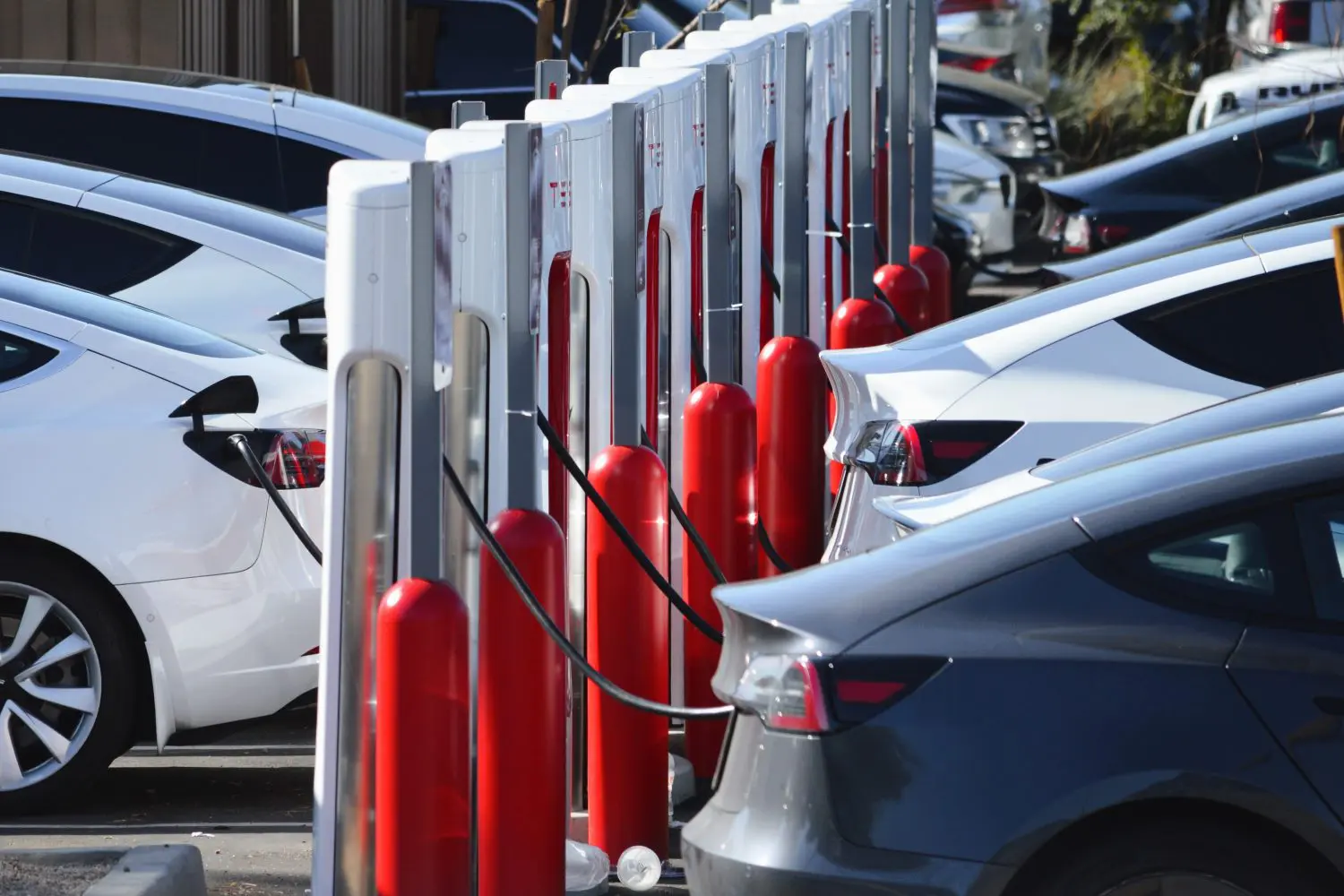
Moreover, the study found that respondents cited the limited availability of fast chargers, the time-consuming nature of charging, and the frequent downtime of fast charging stations as the most significant drawbacks of EV ownership. With its extensive Supercharger network, Tesla continues to lead the market in addressing this issue, maintaining a competitive edge over other manufacturers by offering more accessible and faster charging solutions.
Addressing these charging infrastructure challenges as EV adoption grows will maintain consumer satisfaction and encourage further market expansion. The study suggests that EVs have many advantages, including lower operating and maintenance costs, but a dependable and widespread charging network remains essential for long-term success.