TSLA355.510-3.46%
GM85.415-1.745%
F13.550-0.31%
RIVN15.635-0.225%
CYD33.620-1.38%
HMC32.245-0.245%
TM195.365-2.195%
CVNA67.800-3.07%
PAG216.610-0.54%
LAD349.700-10.57%
AN204.670-0.92%
GPI278.305-5.705%
ABG206.070-2.84%
SAH74.560-1.73%
TSLA355.510-3.46%
GM85.415-1.745%
F13.550-0.31%
RIVN15.635-0.225%
CYD33.620-1.38%
HMC32.245-0.245%
TM195.365-2.195%
CVNA67.800-3.07%
PAG216.610-0.54%
LAD349.700-10.57%
AN204.670-0.92%
GPI278.305-5.705%
ABG206.070-2.84%
SAH74.560-1.73%
TSLA355.510-3.46%
GM85.415-1.745%
F13.550-0.31%
RIVN15.635-0.225%
CYD33.620-1.38%
HMC32.245-0.245%
TM195.365-2.195%
CVNA67.800-3.07%
PAG216.610-0.54%
LAD349.700-10.57%
AN204.670-0.92%
GPI278.305-5.705%
ABG206.070-2.84%
SAH74.560-1.73%

Honda’s solid-state batteries will change the EV landscape

Honda's solid-state battery development aims to revolutionize EV performance, safety, and cost-efficiency, positioning the company as a leader in the electrified future.
Honda's solid-state batteries

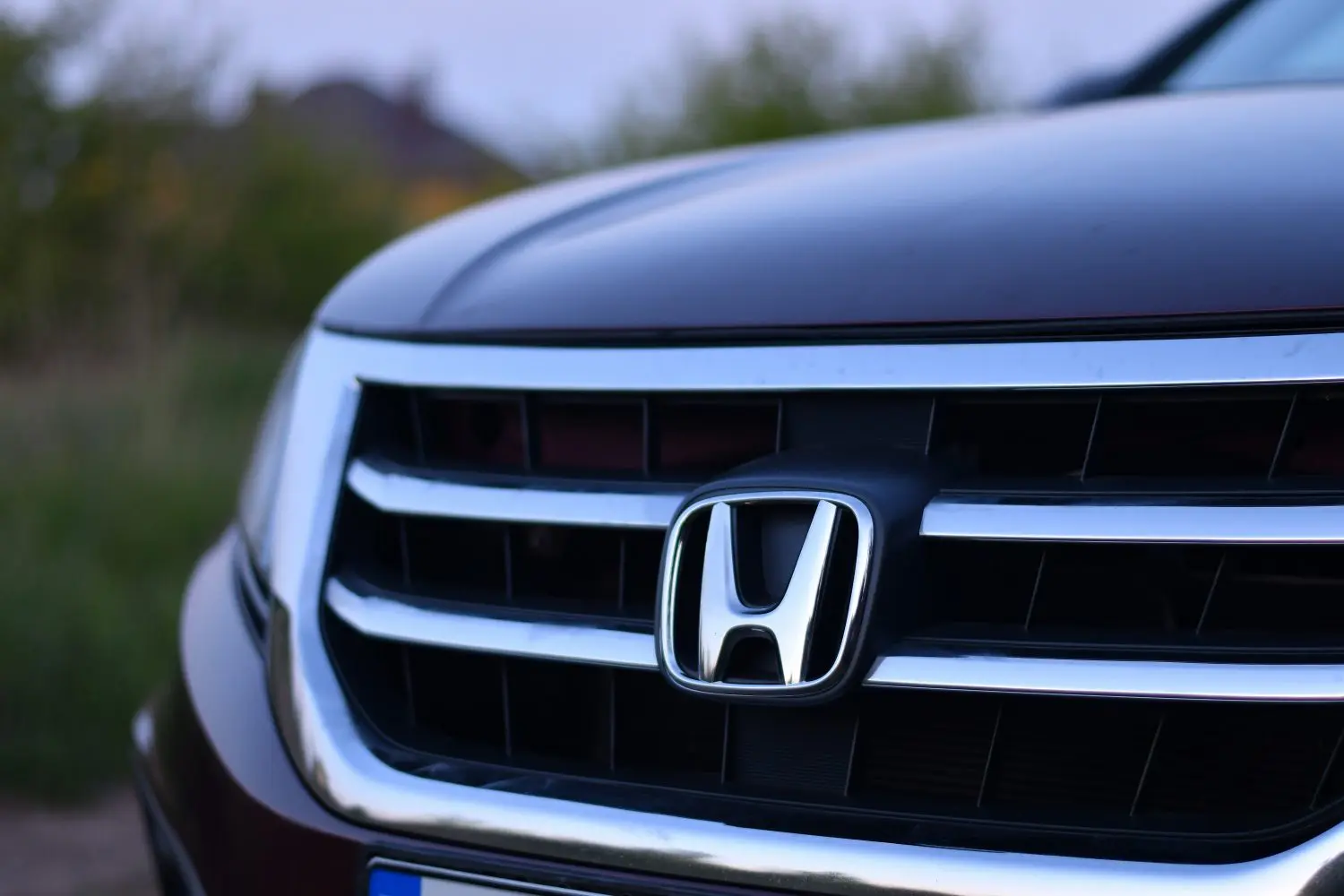
Honda is accelerating its electric vehicle (EV) development with the development of groundbreaking solid-state batteries. The automaker aims to revolutionize EV technology with next-generation batteries that promise enhanced safety, cost efficiency, and longevity.

Solid-state battery production will begin in January 2025 at Honda’s new demonstration plant in Sakura, Japan. This state-of-the-art facility, for which the automaker has invested $278.8 million, is designed to develop scalable and cost-effective processes for solid-state battery production. The goal is to enhance Honda’s capacity for future mass production and lower the costs of these advanced batteries, paving the way for widespread adoption in the EV market.

According to Honda, solid-state batteries will be a game changer in the EV era. In these batteries, ceramic-like electrolytes replace the liquid or gel electrolytes, resulting in a battery that’s lighter in weight and more durable.

These new-generation batteries have distinct advantages over lithium-ion batteries, such as higher energy density, faster charging, and safety. Due to their compact size and lightweight, they’re ideal for larger SUVs, pickup trucks, and sports cars.

Honda’s commitment to entirely phasing out internal combustion engines by 2040 is a testament to its environmental responsibility. By 2030, the company aims to have seven profitable EVs in its portfolio, marking a significant shift towards sustainable mobility.

Honda’s significant investment in solid-state batteries is a clear demonstration of its dedication to shaping the future of EVs. With plans to cut costs, enhance performance, and expand applications, the automaker is not just adapting to the electrified automotive landscape, but leading the transition.
Read More
More from Articles
Ford expands F-150 lineup with $4,195 Carhartt package for 2027

Ford expands F-150 lineup with $4,195 Carhartt package for 2027

- September 15, 2026
On the Dash: The 2027 F-150 Carhartt Package starts at $62,660, with the package itself priced at $4,195 before destination charges. The package adds unique 20-inch wheels, Carhartt badging,...
Chinese vehicle entry looks unlikely as U.S. brands face a shifting market

Chinese vehicle entry looks unlikely as U.S. brands face a shifting market

- September 15, 2026
On the Dash:  Chinese automakers face significant barriers to U.S. market entry, including tariffs and restrictions on connected-vehicle technology. Hybrids could reach 34% of the U.S. market by 2030, giving...
Service scheduling improves industry-wide, Volkswagen dealers lead the pack

Service scheduling improves industry-wide, Volkswagen dealers lead the pack

- September 15, 2026
On the Dash: Every brand in the study improved its service scheduling score, lifting the industry average 7 points Volkswagen ranked first overall, Volvo second, with Acura, BMW, Mazda and...
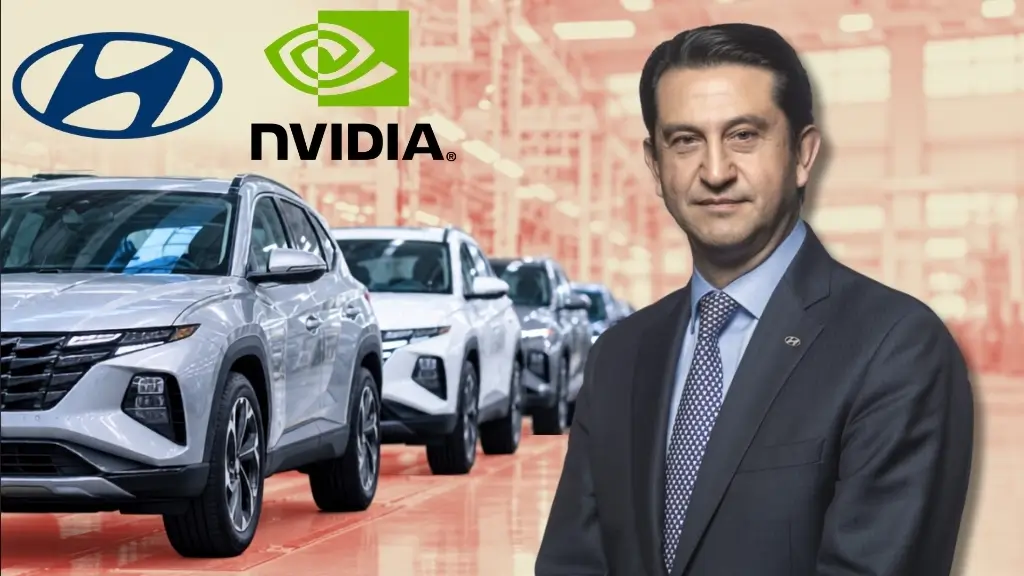
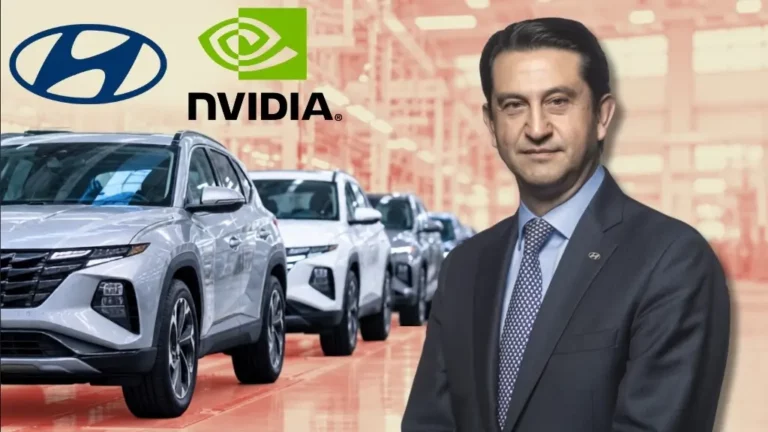
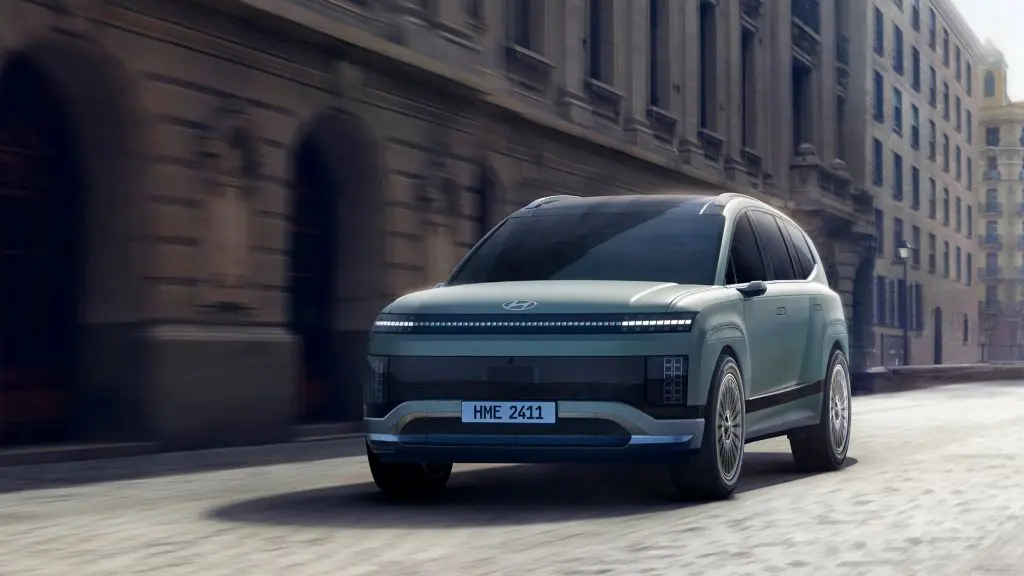
Hyundai moves toward autonomous driving, partners with Nvidia on 2028 driver-assist system

Hyundai moves toward autonomous driving, partners with Nvidia on 2028 driver-assist system

- September 15, 2026
On the Dash: Nvidia-based Level 2+ systems arrive in early 2028, with Hyundai's own Atria AI in 2029. Level 2+ and Level 2++ stay supervised, so drivers remain responsible for...
CBT News
Privacy Overview

This website uses cookies so that we can provide you with the best user experience possible. Cookie information is stored in your browser and performs functions such as recognising you when you return to our website and helping our team to understand which sections of the website you find most interesting and useful.