The automotive industry has become a centerpiece in the 2024 presidential election, with Michigan, the heartland of U.S. auto manufacturing and home to over 1.1 million auto-related jobs, playing a pivotal role as a critical swing state. Vice President Kamala Harris and former President Donald Trump have both increased campaign efforts here, hoping to sway undecided voters in the state, which has been a predictor of presidential wins since 2008.
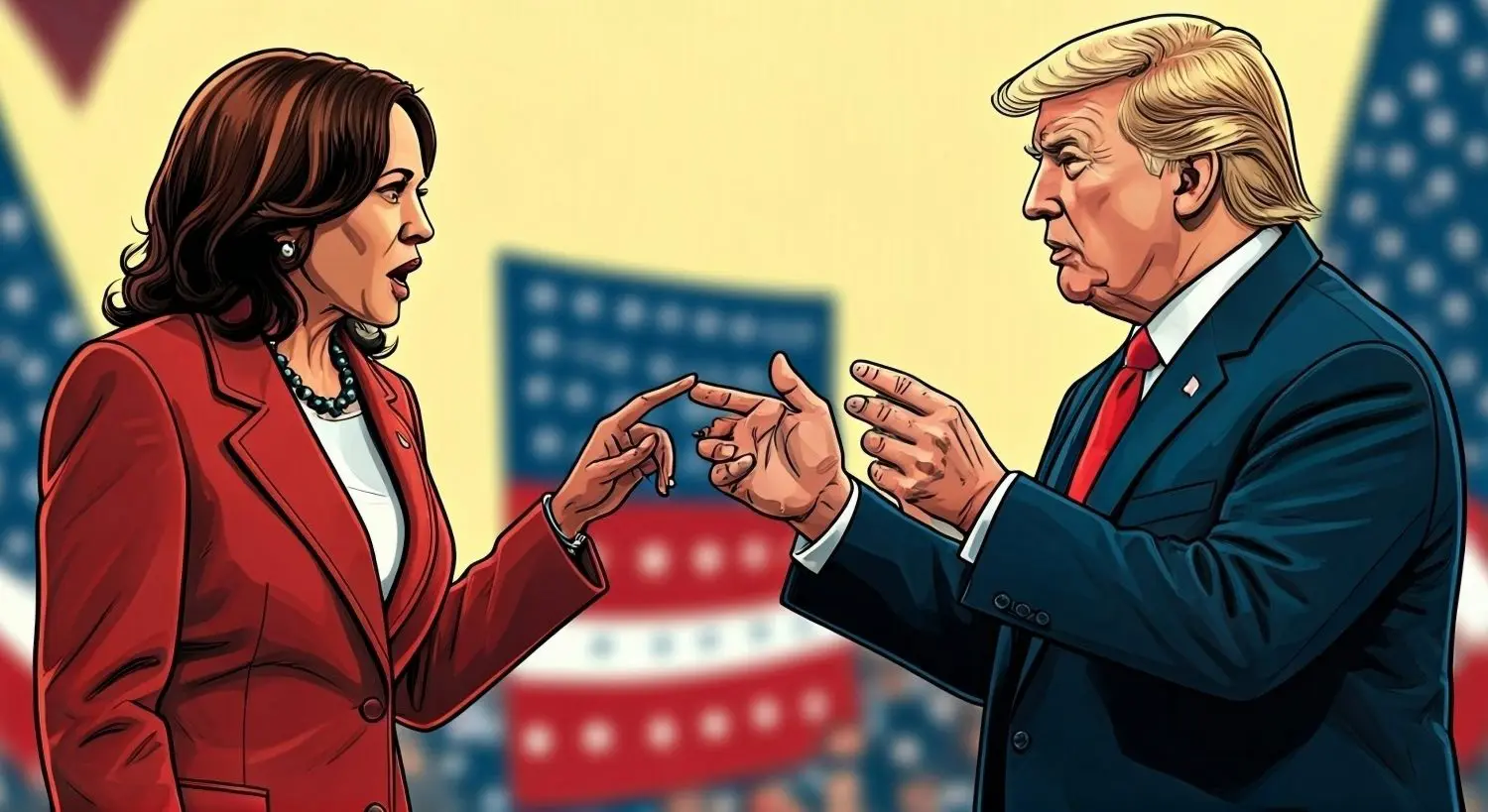
Jefferies analyst Philippe Houchois notes that Michigan’s 16 electoral votes have made the auto sector a central debate topic, with Harris and Trump holding notably different views on automotive policies. Both candidates address core issues such as electric vehicles (EVs), trade, emissions, and labor practices, though they diverge significantly in approaches. Automakers, aware of the stakes, remain tight-lipped on endorsements while preparing for both political outcomes amid expectations of a split Congress.
A Harris presidency would likely follow the Biden administration’s policies, potentially favoring stricter emissions standards and EV incentives. Some industry insiders, however, are concerned about her alignment with the United Auto Workers (UAW), especially with union president Shawn Fain pushing aggressive labor initiatives. By contrast, Trump is expected to revisit policies from his first term, aiming to scale back emissions regulations, challenge California’s emissions mandates, and reduce incentives for EVs, which he argues are being forced upon consumers.
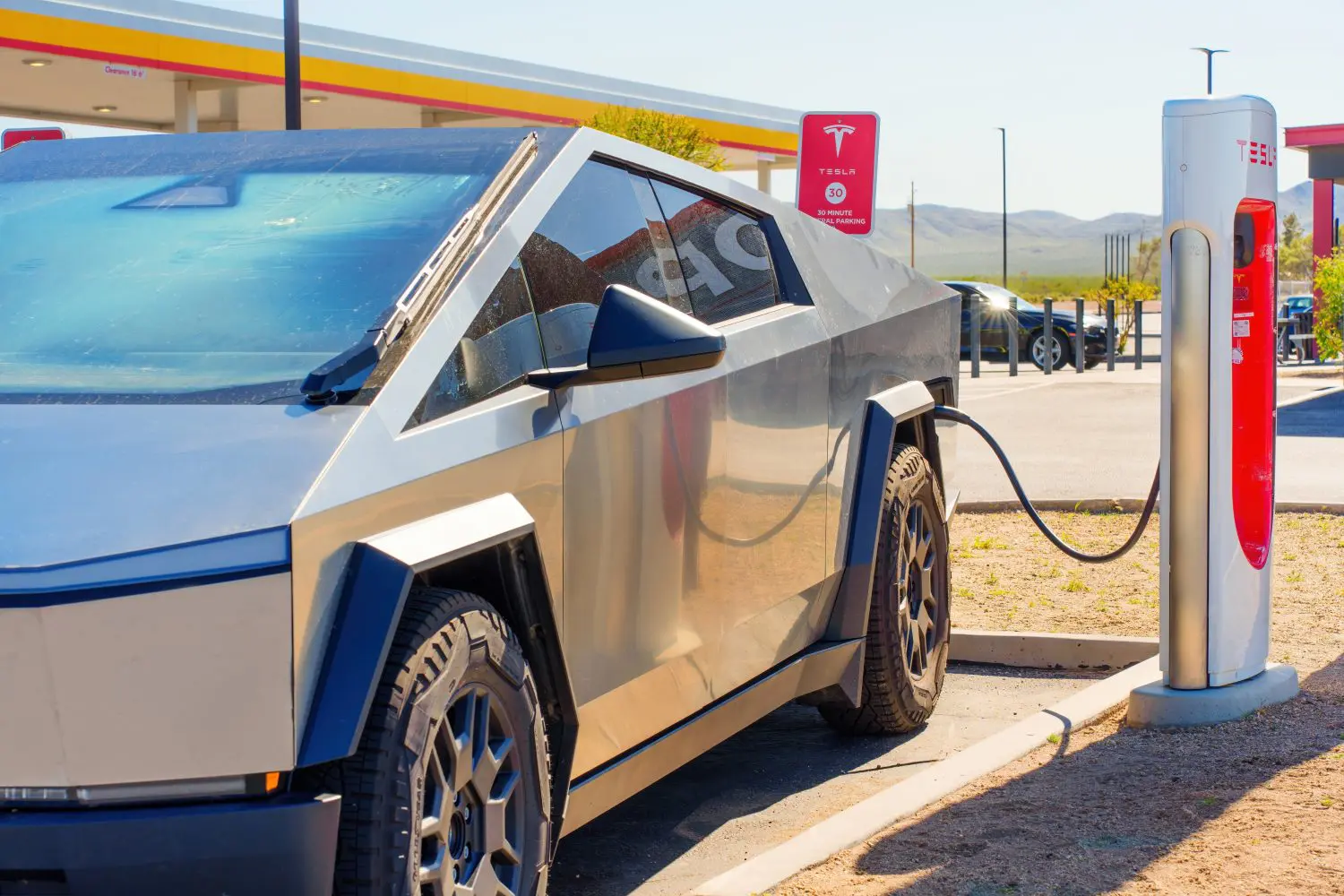
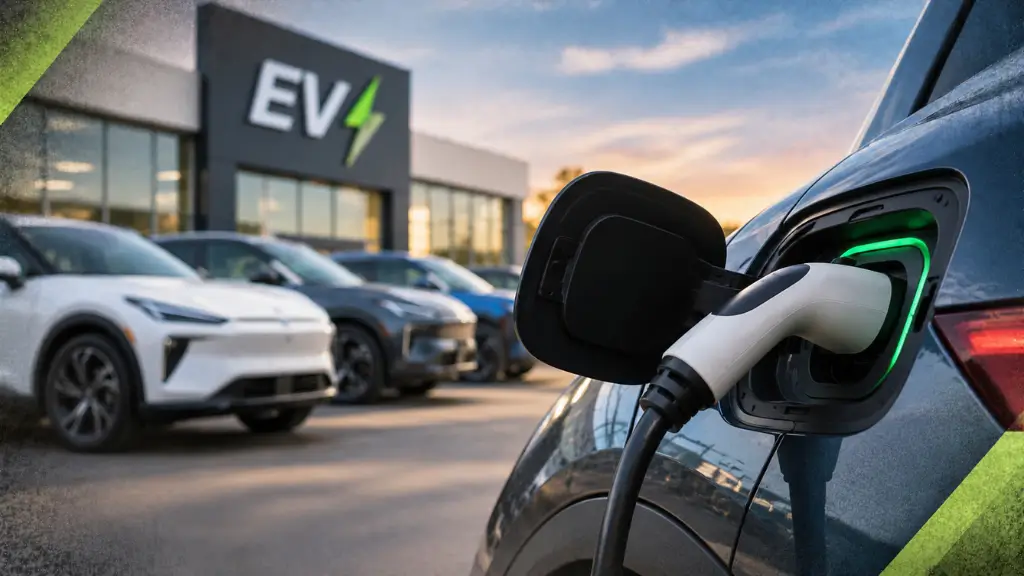
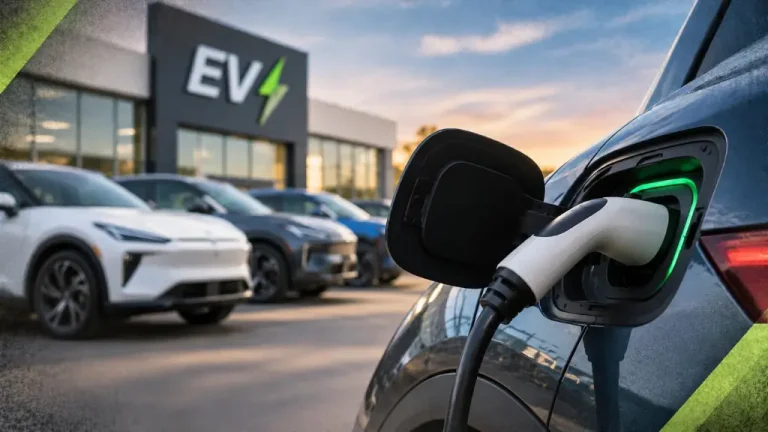
Electric vehicles remain a vital issue, with differing implications for legacy automakers and startups alike. Trump’s support favors traditional manufacturers like GM, Ford, and Stellantis, while EV startups such as Rivian and Lucid could benefit from Harris’s policies. Despite earlier support for the Zero-Emission Vehicles Act of 2019, Harris has distanced herself from mandates amid slower-than-expected EV adoption rates.
Trade and tariffs, particularly those involving China, also weigh heavily on the industry’s outlook. Both candidates have signaled plans to revisit the U.S.-Mexico-Canada Agreement (USMCA), with Trump openly considering higher tariffs to limit Chinese automakers’ entry through Mexican imports. Harris, while cautious, has criticized Trump’s tariff strategy, calling it a “sales tax” burdening Americans.
Labor dynamics further complicate the election’s impact, with a Harris victory possibly emboldening organized labor groups like the UAW, whose influence has surged under the current administration. The UAW’s endorsement of Harris is viewed as a strong pull for Michigan’s working-class voters, though Trump still retains some blue-collar support from his 2016 win.
Automakers and suppliers brace for either outcome, acknowledging that the industry will face both opportunities and challenges regardless of who takes office.