
As the push for sustainability in the automotive industry intensifies, hybrids have become crucial in the transition to greener transportation. In 2024, the advancements in hybrid technology, government incentives, consumer preferences, and the competitive landscape between hybrids and BEVs are shaping the industry’s future.
Technological Advancements in Hybrid Vehicles
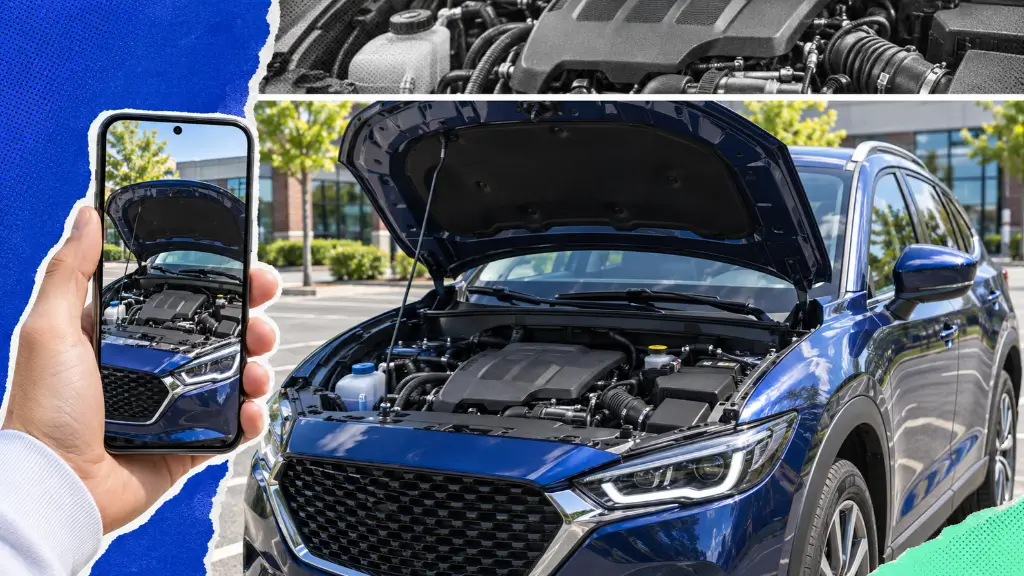
Battery efficiency and capacity improvements have enhanced the overall performance and range of hybrids. Advanced engine technologies, such as regenerative braking and optimized fuel injection systems, significantly boost fuel economy. Additionally, integrating intelligent technologies for better energy management ensures that hybrids are now more efficient and environmentally friendly.
Leading models in 2024, like the Toyota Prius Prime and the Ford Escape Hybrid, showcase these innovations. The Prius Prime, for instance, offers an impressive 25 miles of all-electric range and a combined 54 mpg, thanks to its refined hybrid drivetrain and lightweight battery design.
Government Incentives for Hybrid Vehicles
Tax credits and rebates make hybrids more accessible to a broader audience, while subsidies for research and development spur innovation. For example, the federal government offers a tax credit of up to $4,000 for qualifying hybrids, making them more attractive to cost-conscious consumers.
Comparing incentives for hybrids versus BEVs, hybrids still receive substantial support, though slightly less than BEVs. This balance encourages a diverse approach, promoting hybrids as a practical bridge between traditional internal combustion engines and fully electric powertrains.
Consumer Preferences and Market Trends
Factors, including cost, environmental concerns, and fuel efficiency, influence consumer preferences toward hybrid vehicles. Many buyers appreciate the flexibility hybrids offer, combining the benefits of electric driving with the reliability of gasoline engines. Market trends in 2024 indicate a steady growth in hybrid vehicle sales. According to a recent report, hybrid sales increased by 20% in the year’s first half.
Competitive Landscape: Hybrids vs. BEVs
Hybrids and BEVs each have their own set of advantages and disadvantages. Hybrids offer better range and the convenience of refueling at traditional gas stations, while BEVs boast zero emissions and lower operating costs.
Hybrids typically have a lower upfront cost than BEVs, making them an attractive option for those not ready to commit to full electrification. However, the total cost of ownership for BEVs can be lower over time due to savings on fuel and maintenance.
Most automakers strategically balance their portfolios with hybrid and electric models to cater to diverse consumer needs. This strategy allows them to hedge against market uncertainties and regulatory changes.
Challenges Facing Hybrids
Despite their benefits, hybrids face higher initial costs than traditional vehicles, which can deter some buyers, and there’s still limited public understanding of the benefits of hybrid technology.
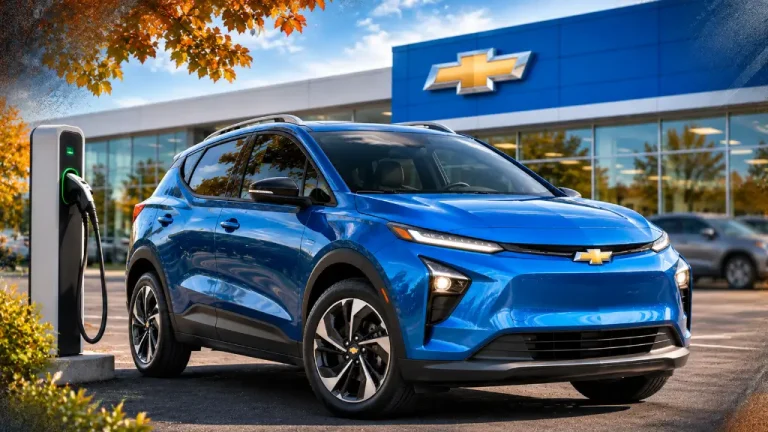
Although hybrids don’t rely solely on the limited charging infrastructure, having more charging options would enhance their appeal.
Environmental impact concerns and the ongoing debate over hybrid versus electric vehicles highlight the need for continued innovation. While hybrids are a step towards reducing emissions, they’re not a complete solution.
Future Outlook for Hybrid Vehicles
Government policies will likely evolve, further supporting the development and adoption of hybrids. As consumer behavior shifts towards more sustainable options, hybrids will remain a practical choice for many.
Conclusion
The 2024 presidential election presents a critical moment for the automotive industry. Each candidate brings a distinct vision that could accelerate the transition towards sustainable transportation or favor traditional manufacturing practices. As voters decide, the automotive sector must stay adaptable and prepared for potential policy shifts.