TSLA354.8101.97%
GM77.000-3.47%
F12.050-0.2539%
RIVN14.940-0.03%
CYD31.030-1.58%
HMC31.600-0.49%
TM183.100-3.615%
CVNA62.555-1.065%
PAG200.340-1.44%
LAD291.8302.57%
AN157.4400.64%
GPI240.450-0.48%
ABG172.300-1.65%
SAH60.3500.5%
TSLA354.8101.97%
GM77.000-3.47%
F12.050-0.2539%
RIVN14.940-0.03%
CYD31.030-1.58%
HMC31.600-0.49%
TM183.100-3.615%
CVNA62.555-1.065%
PAG200.340-1.44%
LAD291.8302.57%
AN157.4400.64%
GPI240.450-0.48%
ABG172.300-1.65%
SAH60.3500.5%
TSLA354.8101.97%
GM77.000-3.47%
F12.050-0.2539%
RIVN14.940-0.03%
CYD31.030-1.58%
HMC31.600-0.49%
TM183.100-3.615%
CVNA62.555-1.065%
PAG200.340-1.44%
LAD291.8302.57%
AN157.4400.64%
GPI240.450-0.48%
ABG172.300-1.65%
SAH60.3500.5%

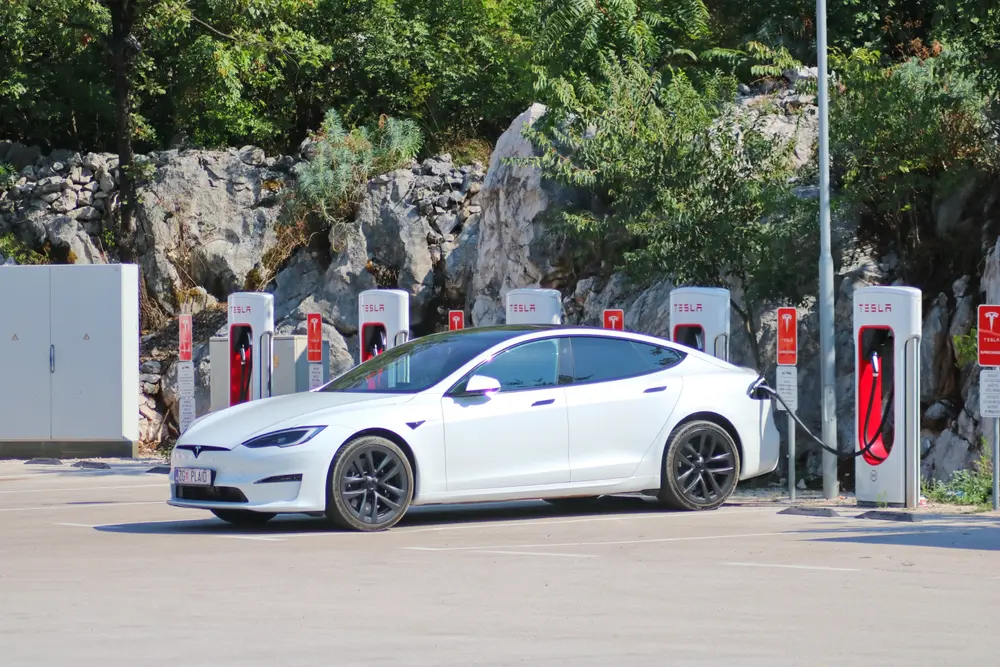
Tesla abandons ‘gigacasting’ production process amid cost-cutting measures

The decision to postpone the potential manufacturing breakthrough is another example of Tesla's cost-cutting measures in response to declining sales
According to a recent report by Reuters, Tesla has abandoned its plan to advance gigacasting, a groundbreaking production process.

According to a recent report by Reuters, the Austin-based EV manufacturer Tesla has abandoned its plan to advance gigacasting, a groundbreaking production process. This shift in strategy suggests that the EV maker is implementing cost-cutting measures due to declining sales and soaring competition.

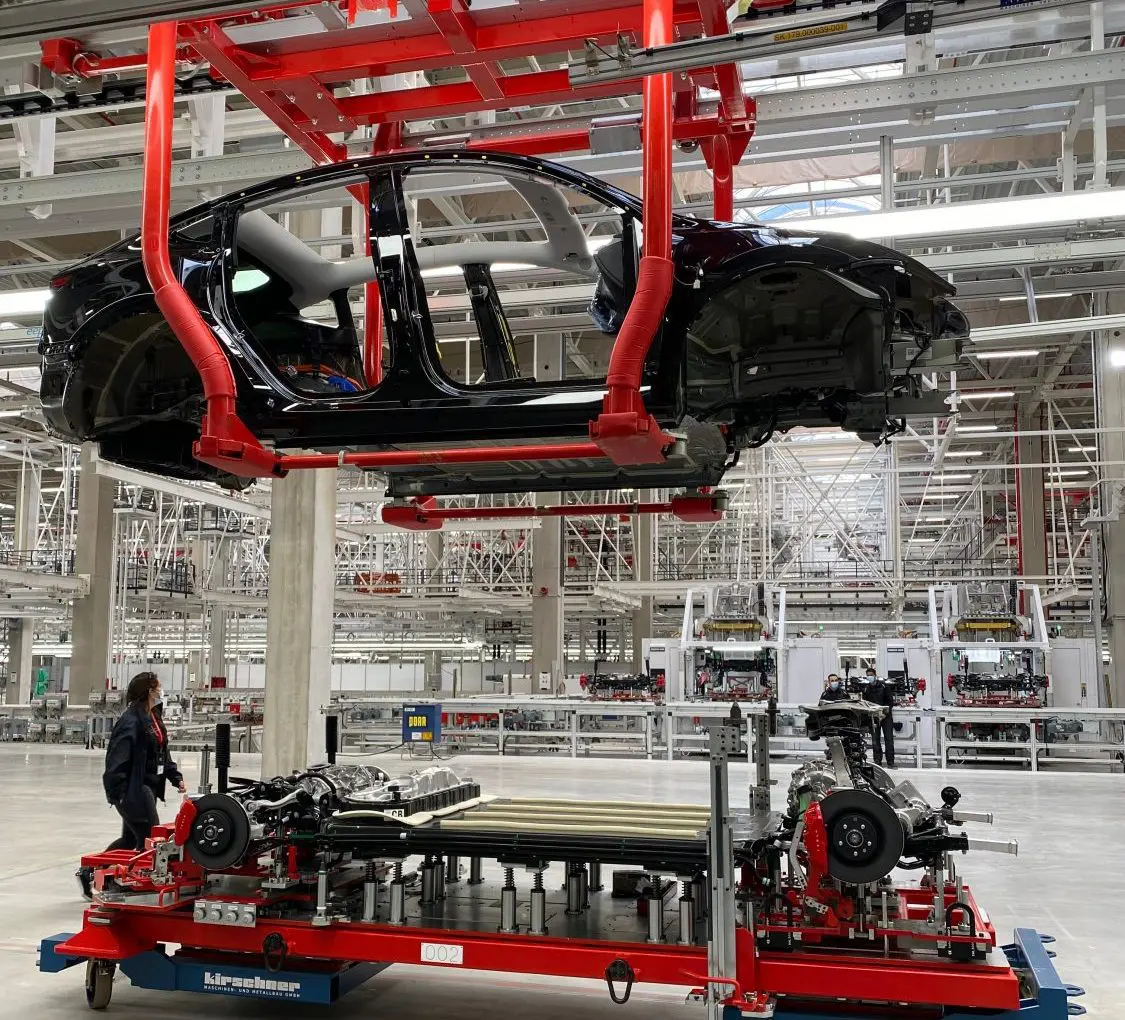
Tesla transforms the automotive industry by employing a process called “gigacasting,” which uses massive presses capable of applying hundreds of tons of clamping pressure to die-cast significant parts of the vehicle’s underbody.

Last September, Reuters exclusively revealed that Tesla aimed to manufacture the underbody in a single piece as it developed a new small-vehicle platform. The goal was to streamline production and significantly reduce costs. However, the company has since abandoned this plan to continue using its more conventional technique of casting car underbodies in three parts: a midsection frame made of aluminum and steel that stores batteries and gigacasted front and rear sections. This three-part approach is essentially the same as what the company used to create its last two new models, the Cybertruck pickup and the Model Y crossover SUV.

Moreover, the decision to postpone the potential manufacturing breakthrough is another example of Tesla’s cost-cutting measures in response to declining sales and profit margins, a slowdown in the global EV market, and growing competition from other EV manufacturers, such as China’s BYD. 

Last month, the company conducted a major downsizing, which resulted in the dismissal of over 10% of its global workforce and forced a few senior executives to resign.

Nevertheless, Tesla is shifting its focus towards developing self-driving vehicles rather than prioritizing significant growth in EV sales volume. This strategy change includes stepping back from gigacasting and halting the development of the Model 2, a more affordable car. The company now plans to produce affordable models using existing platforms and production lines. This move aligns with Tesla’s decision to prioritize simpler and faster production methods after the Model 2 cancellation, aiming for more affordable cars while continuing development on a self-driving robotaxi.

Read More
More from Articles
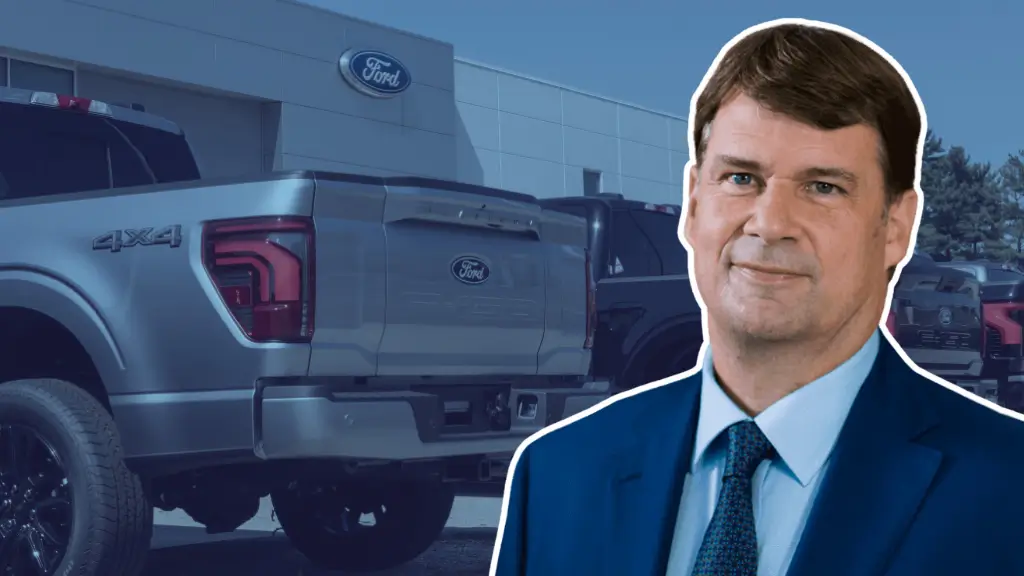
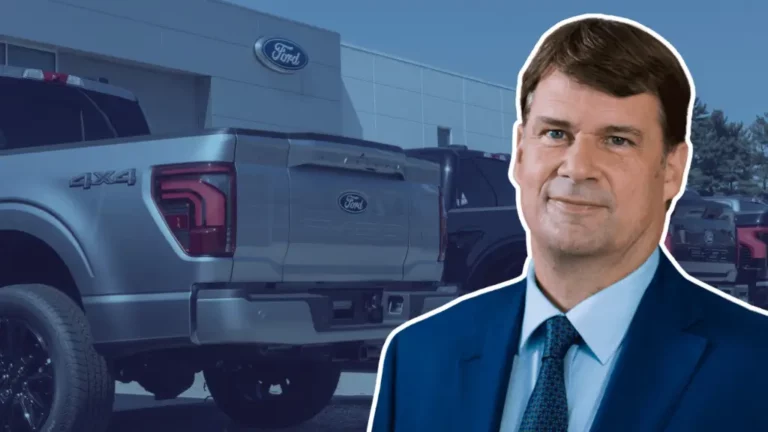
Ford’s Farley says F-150 supplier issues are fixed, sounds alarm on trades training

Ford’s Farley says F-150 supplier issues are fixed, sounds alarm on trades training

- October 1, 2026
On the Dash: Farley said the F-150 supplier issue is fixed but will reduce third-quarter wholesale shipments.  Dealers held about 40 days of pickup supply, below Ford's 50- to 60-day...
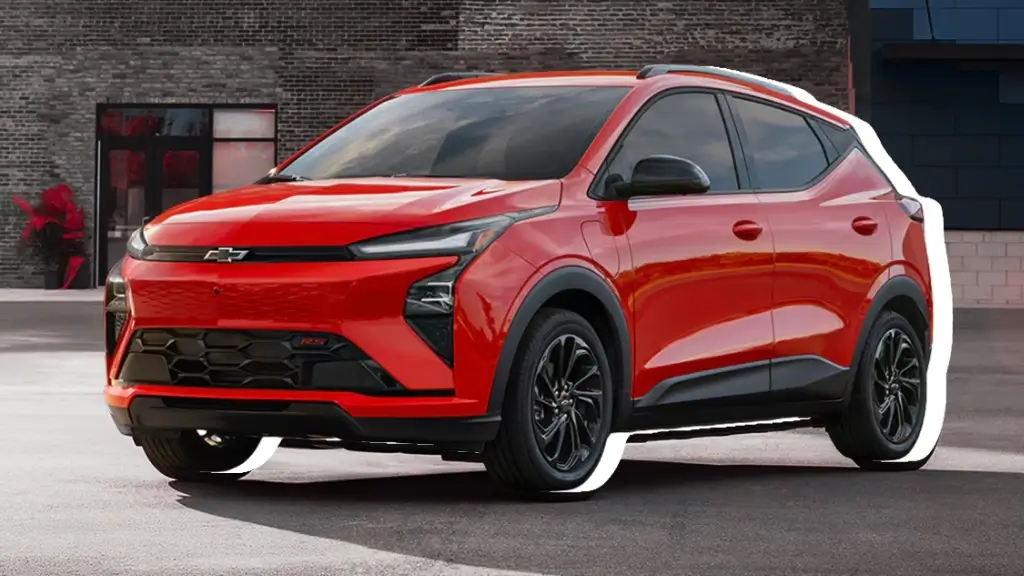
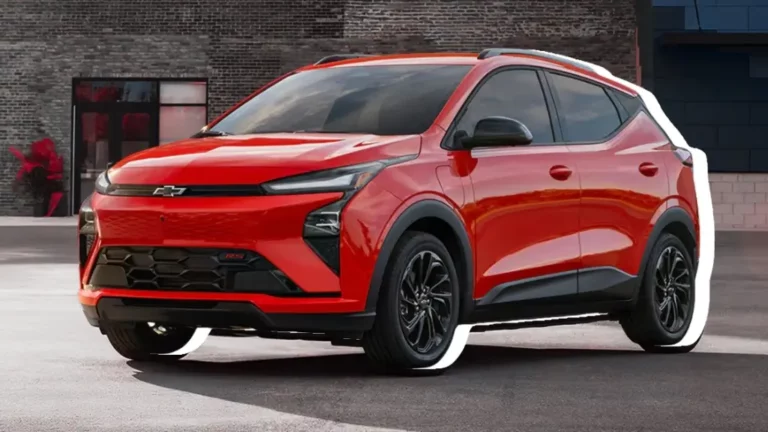
Chevy Bolt production target reportedly cut to 35,000 units

Chevy Bolt production target reportedly cut to 35,000 units

- October 1, 2026
On the Dash: UAW documents reportedly show GM targeting 35,000 revived Bolts, down sharply from the 150,000 units the Fairfax plant could potentially produce. The 2027 Bolt returns with updated...
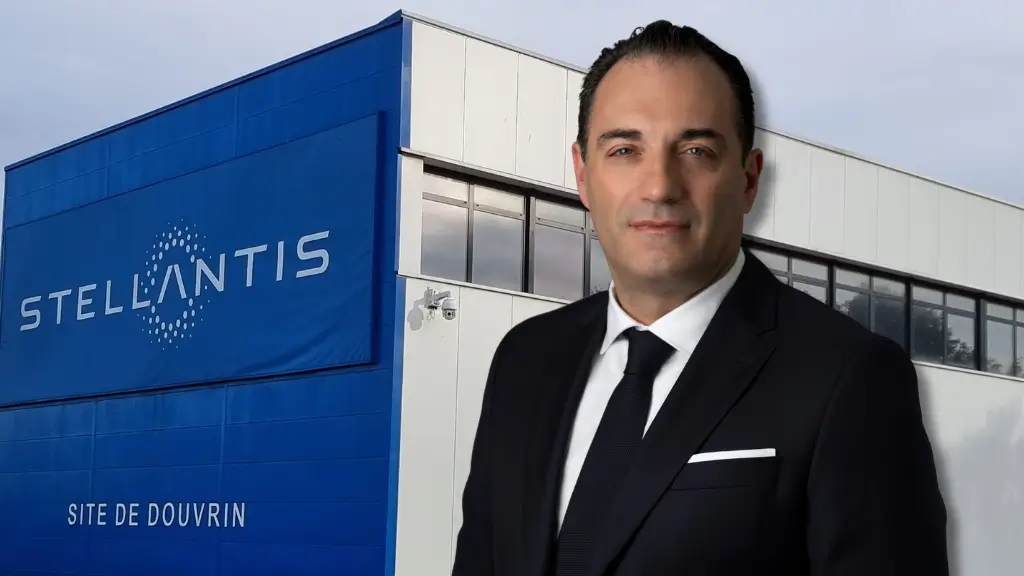
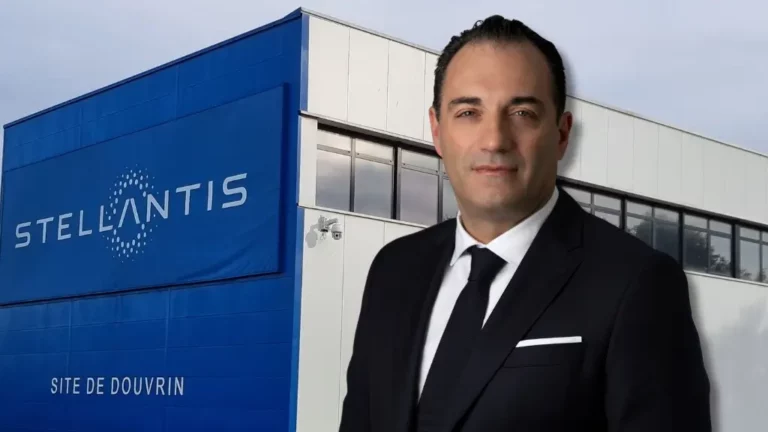
Filosa says Stellantis turnaround plan will pay off by 2027

Filosa says Stellantis turnaround plan will pay off by 2027

- October 1, 2026
On the Dash: Stellantis is holding its 2026 guidance, with positive industrial free cash flow expected in 2027. Industrial free cash flow targets reach 3 billion euros in 2028 and...
U.S. import ban on Canadian goods takes effect, includes motorcycles and alcohol

U.S. import ban on Canadian goods takes effect, includes motorcycles and alcohol

- September 30, 2026
On the Dash: The U.S. now bans about $967 million in Canadian imports, 87% of which is alcohol. The U.S. also banned Can-Am Spyder and Canyon motorcycles, though BRP expects...
CBT News
Privacy Overview

This website uses cookies so that we can provide you with the best user experience possible. Cookie information is stored in your browser and performs functions such as recognising you when you return to our website and helping our team to understand which sections of the website you find most interesting and useful.