TSLA364.270-1.93%
GM82.200-4.42%
F13.210-0.4%
RIVN14.990-0.41%
CYD35.4000.88%
HMC32.200-0.33%
TM191.530-2.38%
CVNA65.120-0.72%
PAG212.610-2.14%
LAD316.270-5.41%
AN168.290-6.59%
GPI246.420-8.53%
ABG183.060-4.85%
SAH63.660-2.29%
TSLA364.270-1.93%
GM82.200-4.42%
F13.210-0.4%
RIVN14.990-0.41%
CYD35.4000.88%
HMC32.200-0.33%
TM191.530-2.38%
CVNA65.120-0.72%
PAG212.610-2.14%
LAD316.270-5.41%
AN168.290-6.59%
GPI246.420-8.53%
ABG183.060-4.85%
SAH63.660-2.29%
TSLA364.270-1.93%
GM82.200-4.42%
F13.210-0.4%
RIVN14.990-0.41%
CYD35.4000.88%
HMC32.200-0.33%
TM191.530-2.38%
CVNA65.120-0.72%
PAG212.610-2.14%
LAD316.270-5.41%
AN168.290-6.59%
GPI246.420-8.53%
ABG183.060-4.85%
SAH63.660-2.29%

NHTSA finalizes life-saving automatic emergency braking rule

This rule, stemming from the Bipartisan Infrastructure Act, necessitates AEB systems capable of preventing collisions with other vehicles at speeds up to 62 mph.
The National Highway Traffic Safety Administration (NHTSA) has finalized a rule requiring automatic emergency braking (AEB) systems in all new passenger cars and light trucks by 2029. 

The National Highway Traffic Safety Administration (NHTSA) has finalized a rule requiring automatic emergency braking (AEB) systems in all new passenger cars and light trucks by 2029. 

This rule, stemming from the Bipartisan Infrastructure Act, necessitates AEB systems capable of preventing collisions with other vehicles at speeds up to 62 mph.

Under the finalized rule announced by the NHTSA on Monday, AEB systems must engage automatically at speeds up to 90 mph when an imminent collision with an oncoming vehicle is detected and at 45 mph when pedestrians are present. Additionally, the AEB systems must detect pedestrians in both daylight and nighttime conditions, enhancing overall safety on the roads

Sophie Shulman, deputy administrator of the NHTSA, emphasized the life-saving impact of AEB technology, citing its effectiveness in reducing fatalities and serious injuries from frontal crashes. “Automatic emergency braking is proven to save lives and reduce serious injuries from frontal crashes, and this technology is now mature enough to require it in all new cars and light trucks,” she said in a statement.

The NHTSA projects that this rule will annually save 360 lives and prevent 24,000 injuries.
Read More
More from Articles
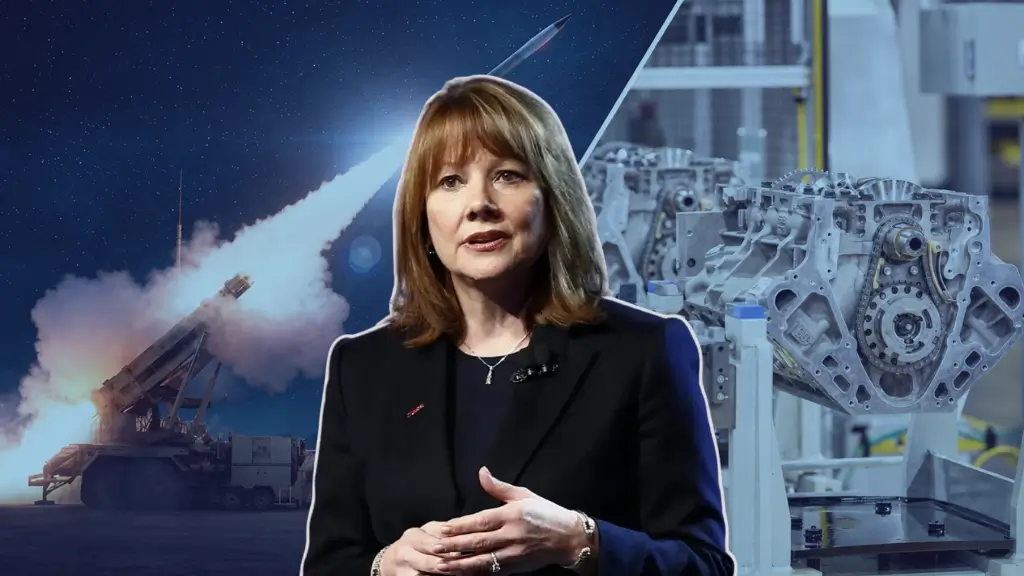
GM looks beyond EVs with focus on V-8-powered pickups and Patriot missiles

GM looks beyond EVs with new V-8-powered pickups and Patriot missiles

- September 18, 2026
On the Dash: GM Defense delivered Patriot missile parts to Lockheed Martin 22 days after signing its contract. The redesigned 2027 Silverado and Sierra add new 5.7-liter and 6.6-liter V-8...
unifor

Stellantis faces potential strike as Unifor talks remain at impasse

- September 18, 2026
On the Dash: Stellantis faces a new labor deadline as its Canadian contract with Unifor expires Sept. 20. The future of the Brampton plant remains the central issue in negotiations...
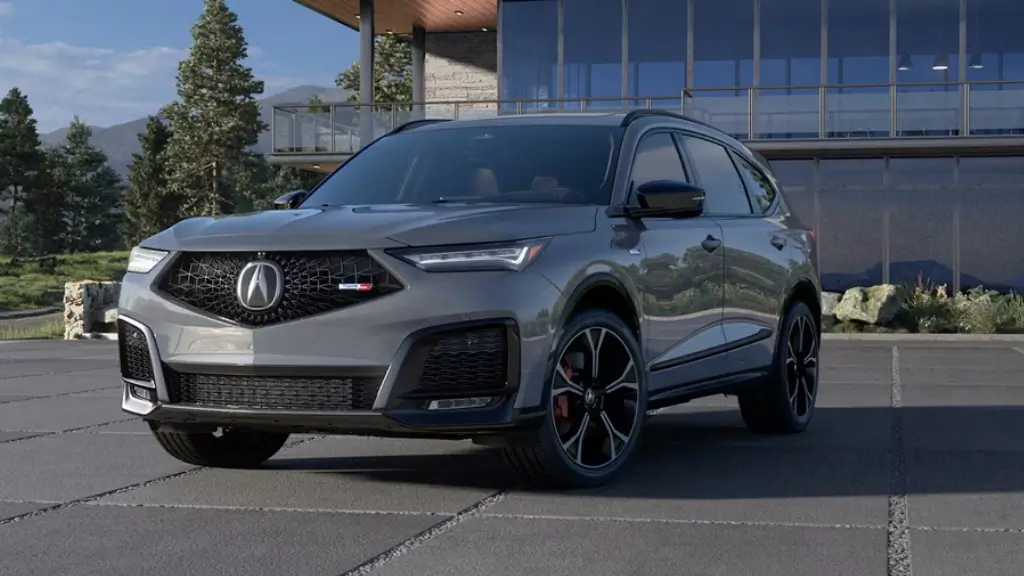
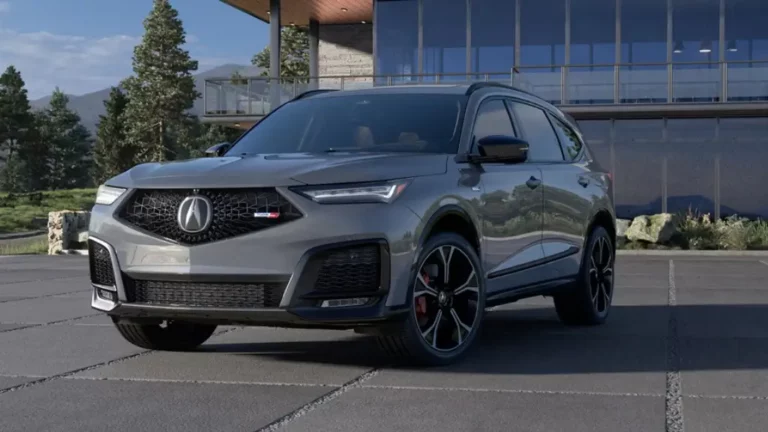
Acura pauses MDX Type S production amid emissions uncertainty

Acura pauses MDX Type S production amid emissions uncertainty

- September 18, 2026
On the Dash: Acura pauses the MDX Type S after 2026 with no timeline for its return. The trim is under 10% of MDX sales but delivers outsized margins. Emissions...
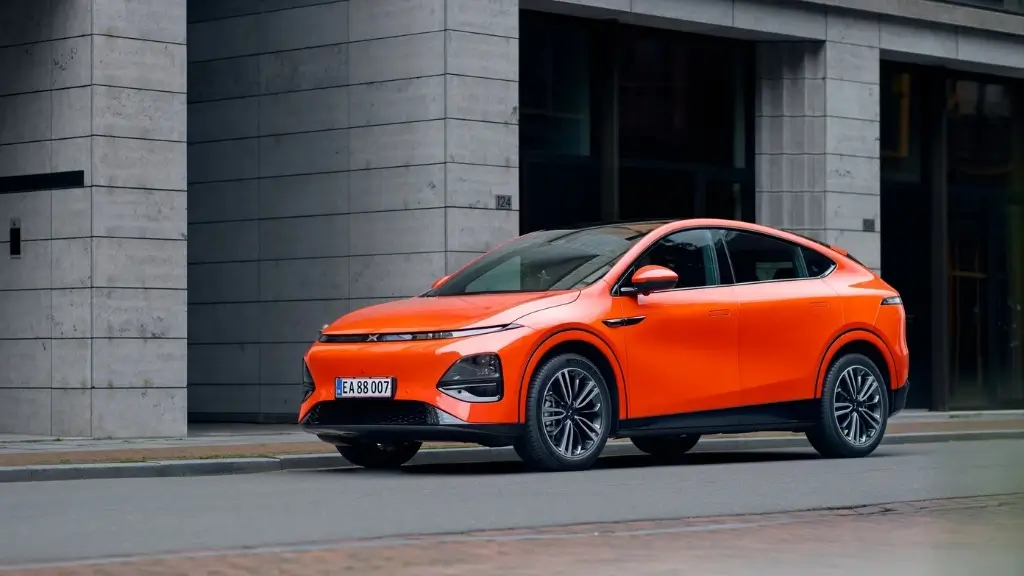
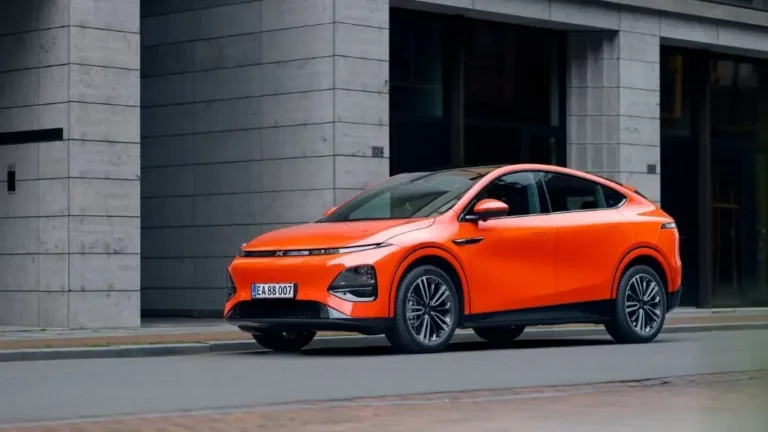
Xpeng

Xpeng looks to expand technology partnerships beyond Volkswagen

- September 18, 2026
On the Dash: Xpeng is looking to turn its EV technology into a broader business by licensing systems to other automakers and suppliers. Its Volkswagen partnership shows the potential for...
CBT News
Privacy Overview

This website uses cookies so that we can provide you with the best user experience possible. Cookie information is stored in your browser and performs functions such as recognising you when you return to our website and helping our team to understand which sections of the website you find most interesting and useful.