Tesla posted first-quarter sales on Tuesday, with disappointing forecasts and a sharp decline in deliveries that underline the impact of the electric vehicle market’s demand cooldown.
Analysts initially expected Tesla to report sales numbers ranging from 430,000 to 450,000 units but began to lower estimates in recent weeks due to an apparent decline in EV volume. However, the automaker ultimately missed all but the most downbeat expectations, posting only 386,810 deliveries, down 8.5% from Q1 2023. The drop marks the first year-over-year decline in the brand’s history since the start of the COVID pandemic and denotes a sudden shift from the preceding quarter’s record-breaking sales total of 484,507 units.
While the company’s sales fell rapidly, manufacturing declined at a much slower pace. Tesla built 433,371 units during the first quarter, just 1.7% less than the prior-year period, resulting in a roughly 47,000 unit gap between production and deliveries. However, in its report, the automaker attributed its lower sales specifically to manufacturing delays rather than a slowdown in EV demand.
Tesla faced several production challenges during the first quarter. Cargo transports were frequently attacked by Houthi rebels in the Red Sea, causing supply chain headaches for most global automakers. In March, the company’s Berlin Gigafactory was the victim of a suspected arson attack that disabled electricity at the facility for a week. These and other issues contributed to manufacturing delays for Tesla’s revamped Model 3, which it hopes will help freshen its aging product lineup.
Although the automaker’s production challenges are undeniable, they are unlikely to have made a meaningful contribution to its sales decline due to the gap between production and deliveries. Normally, manufacturing delays create inventory shortages, but Tesla seems to have a healthy surplus of EVs despite its first-quarter difficulties. It seems more tenable that the company’s primary obstacle to driving volume is demand, which has remained suppressed in the EV segment even as aggressive price cuts have fueled affordability.
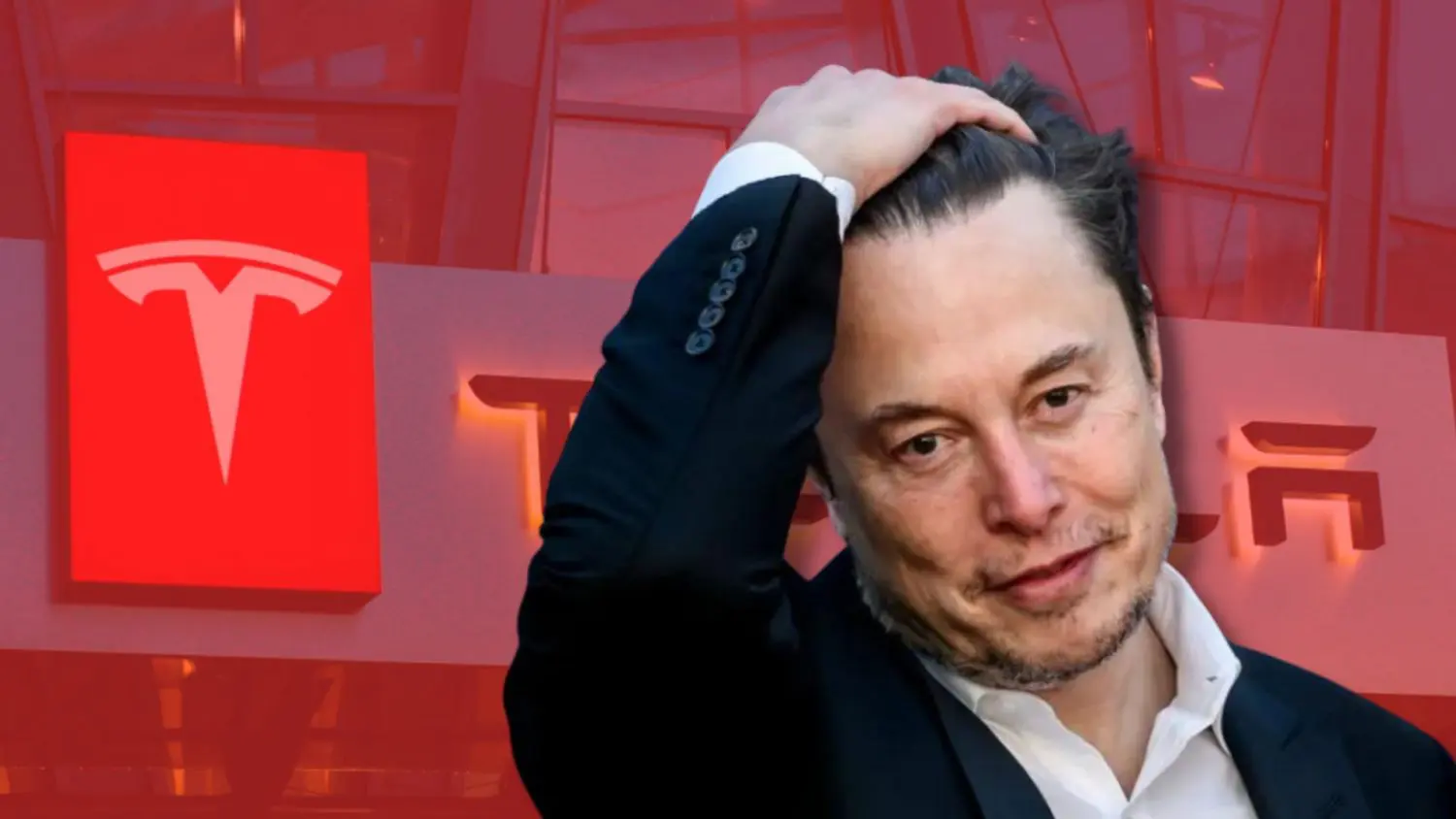
Tesla’s demand issues stem from a variety of factors. Externally, consumer range anxiety continues to limit EV market share, as does inadequate charging infrastructure and unaffordable pricing. Meanwhile, on an internal basis, company CEO Elon Musk’s public behavior has turned away a portion of both previous and prospective buyers. The early-adopter surge that benefitted the automaker previously has also faltered due to the fact that a large number of people in this demographic have already purchased a Tesla. Without a new model to warrant another purchase, these former customers may ultimately decide to take their business to one of the company’s many competitors, who have rapidly conquered EV market share in recent years.
Overcoming these challenges will be more important for the brand in the long run than any temporary production delays. Unfortunately, it is unclear what, if any, solutions Tesla has in place to prevent another sales decline down the road.