TSLA393.450-31.85%
GM76.0000.48%
F13.350-0.29%
RIVN18.6301.45%
CYD43.390-2.9%
HMC28.0200.76%
TM174.5904.93%
CVNA68.5900.72%
PAG179.4202.34%
LAD306.23015.93%
AN186.4102.08%
GPI288.3901.79%
ABG205.4007.38%
SAH83.7300.68%
TSLA393.450-31.85%
GM76.0000.48%
F13.350-0.29%
RIVN18.6301.45%
CYD43.390-2.9%
HMC28.0200.76%
TM174.5904.93%
CVNA68.5900.72%
PAG179.4202.34%
LAD306.23015.93%
AN186.4102.08%
GPI288.3901.79%
ABG205.4007.38%
SAH83.7300.68%
TSLA393.450-31.85%
GM76.0000.48%
F13.350-0.29%
RIVN18.6301.45%
CYD43.390-2.9%
HMC28.0200.76%
TM174.5904.93%
CVNA68.5900.72%
PAG179.4202.34%
LAD306.23015.93%
AN186.4102.08%
GPI288.3901.79%
ABG205.4007.38%
SAH83.7300.68%

EPA to re-evaluate tailpipe emission standards after industry pushback

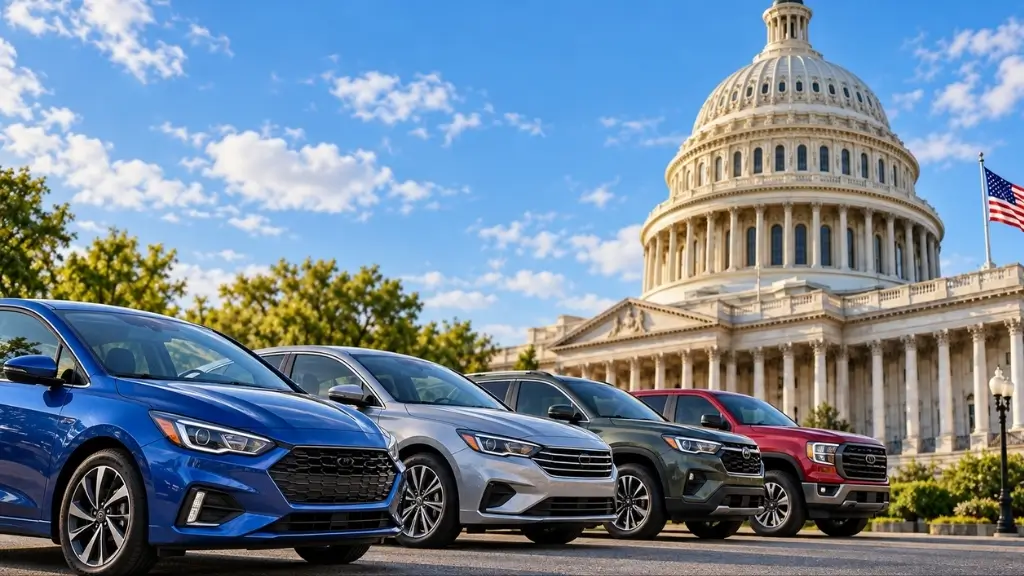
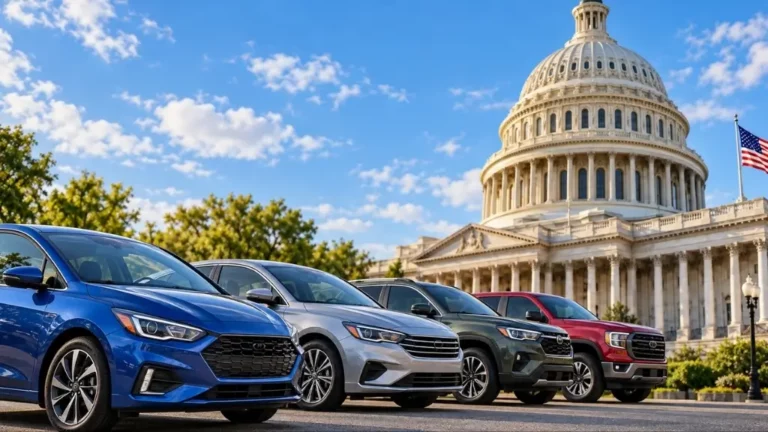
The Environmental Protection Agency is planning to lower strict emission standards proposed last year, effectively slowing the EV transition
The Environmental Protection Agency is planning to lower strict emission standards proposed last year, effectively slowing the EV transition.

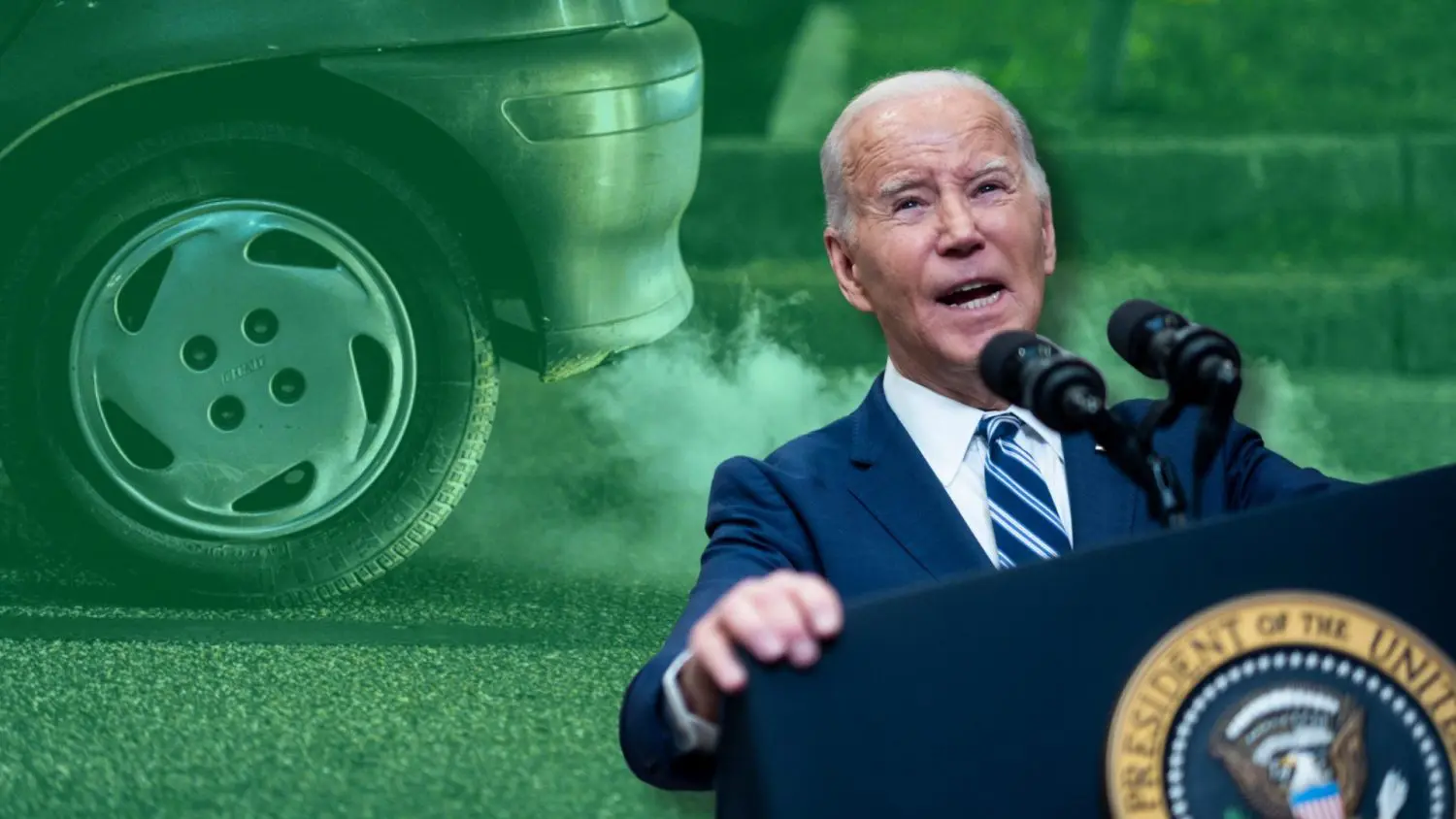
The Biden Administration is planning to relax strict tailpipe emission standards proposed by the Environmental Protection Agency (EPA) last year in an effort to slow down the U.S. automotive industry’s transition to electric vehicles.

The tailpipe requirements, as originally recommended by the EPA, would have been the most stringent in U.S. history, forcing American automakers to reduce new vehicle emissions by 56% as early as 2032. To support this goal, the agency estimated manufacturers would need to increase EV sales until they represented 67% of all new car registrations over the next eight years. In the time leading up to 2032, companies would also need to meet annually revised fuel economy targets to remain in compliance, risking heavy fines if they failed.

However, according to sources speaking to Reuters, the EPA now plans to release a new set of tailpipe emission standards as early as March, which would lower the yearly emission target, decrease the projected EV sales share, and effectively lengthen the timeline for fully abandoning internal combustion engine vehicles.

The decision to reconsider the emission guidelines follows stiff resistance from virtually every corner of the automotive industry, including retailers, manufacturers, and union members. The most common critique of the proposed regulations among opponents is that consumer demand has failed to materialize in support of EVs fast enough to make a rapid transition financially viable. While it remains to be seen how the EPA will rework its proposal, a series of recent meetings held between automaker executives signals the agency is incorporating feedback from the industry.

Read More
More from Articles
EV

Ford Q2 sales fall 10.3% as EVs and F-Series weigh on results

- July 3, 2026
On the Dash: Ford sold 549,200 vehicles in Q2, down 10.3% year-over-year, slightly better than Cox Automotive's projection of an 11.5% decline. Pure EV sales fell 40.7%, while F-Series sales...

Ram and Pacifica drive Stellantis to fourth straight quarter of U.S. sales growth

- July 3, 2026
On the Dash: Stellantis sold 328,284 vehicles in Q2 2026, up 6% year-over-year, and 634,345 in the first half, up 5%. Ram total pickup sales rose 14% in the quarter,...
BMW completes $1.7 billion South Carolina investment, unveils new X5

BMW completes $1.7 billion South Carolina investment, unveils new X5

- July 3, 2026
On the Dash: BMW completed a $1.7 billion investment in Plant Spartanburg and the new Plant Woodruff. The X5 debuts as BMW's first U.S.-built fully electric model, production starting late...
Fourth of July weekend brings big incentives and offers from automakers

Incentives and offers blast off this Fourth of July holiday weekend

- July 3, 2026
The Fourth of July is a busy time for dealers. The holiday gives shoppers more time to look for their next car. Automakers are hoping to hit mid-year sales. And...
CBT News
Privacy Overview

This website uses cookies so that we can provide you with the best user experience possible. Cookie information is stored in your browser and performs functions such as recognising you when you return to our website and helping our team to understand which sections of the website you find most interesting and useful.