TSLA358.970-6.47%
GM87.1601.545%
F13.850-0.12%
RIVN15.860-0.17%
CYD35.000-0.82%
HMC32.490-0.03%
TM197.560-0.64%
CVNA70.8651.705%
PAG217.1501.24%
LAD360.2702.25001%
AN205.5901.92%
GPI284.0105.74%
ABG208.9100.41%
SAH76.2900.39%
TSLA358.970-6.47%
GM87.1601.545%
F13.850-0.12%
RIVN15.860-0.17%
CYD35.000-0.82%
HMC32.490-0.03%
TM197.560-0.64%
CVNA70.8651.705%
PAG217.1501.24%
LAD360.2702.25001%
AN205.5901.92%
GPI284.0105.74%
ABG208.9100.41%
SAH76.2900.39%
TSLA358.970-6.47%
GM87.1601.545%
F13.850-0.12%
RIVN15.860-0.17%
CYD35.000-0.82%
HMC32.490-0.03%
TM197.560-0.64%
CVNA70.8651.705%
PAG217.1501.24%
LAD360.2702.25001%
AN205.5901.92%
GPI284.0105.74%
ABG208.9100.41%
SAH76.2900.39%

White House to add 7,500 EV charging ports across the U.S., with $623 million in grants

The most recent financing installment comes from the $7.5 billion set up in the Bipartisan Infrastructure Law for charging and cleaner fuels as of 2021.
To address the electricifcation problem, the White House is developing a new solution to support the electrification of transportation.

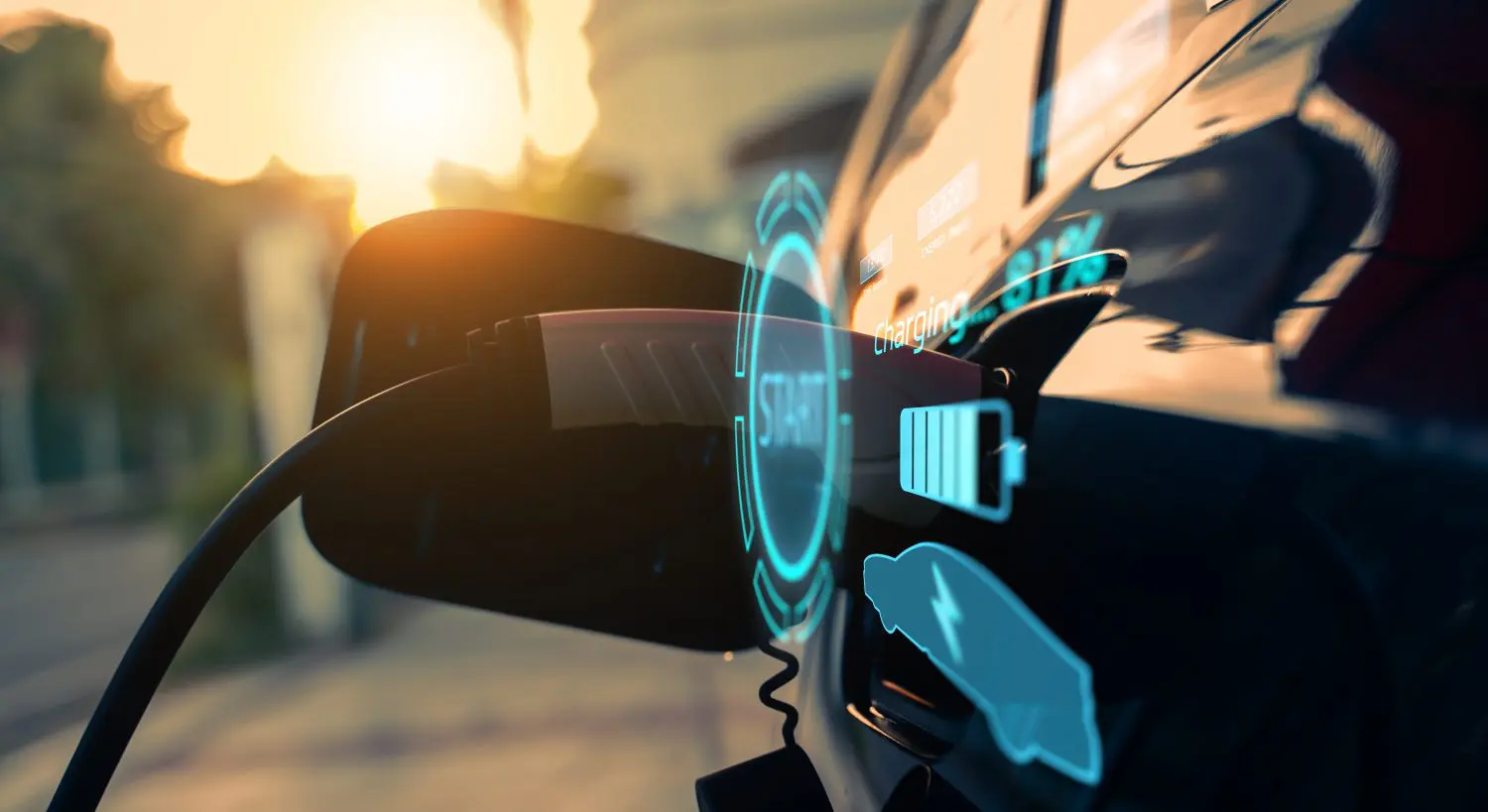
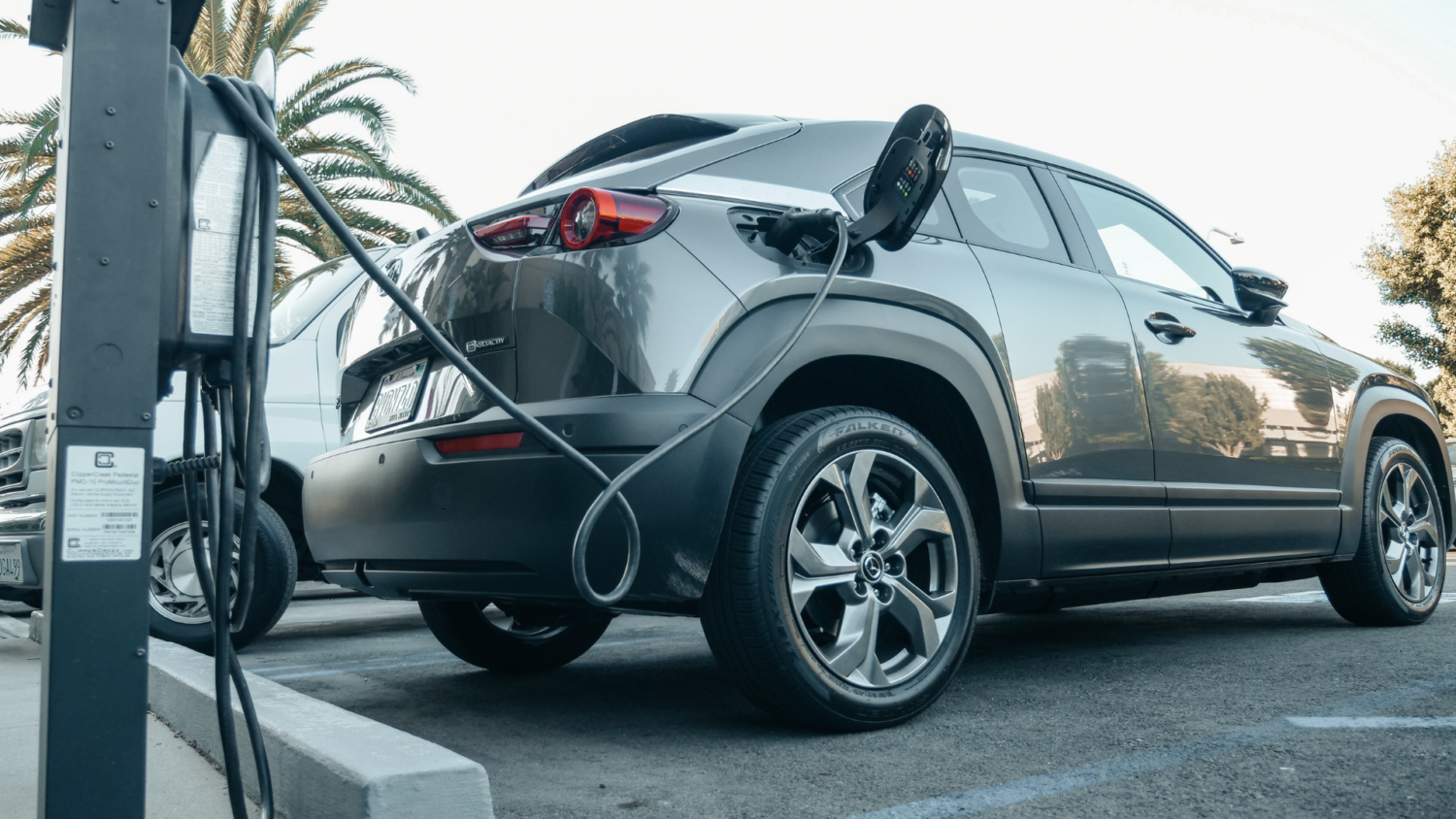
Range anxiety is becoming more common as electric vehicles (EVs) become more prevalent on American roads. Unlike conventional vehicle owners who can easily find gas stations,  EV owners rely on a limited number of charging stations, which are often scarce and difficult to find in certain areas known as “charging deserts,” particularly in lower-class neighborhoods. 

To address this problem, the White House is developing a new solution to support the electrification of transportation. They plan to add 7,500 additional charging ports to the U.S. charging network, with $623 million in competitive grants. Many of these new ports will be located in rural and low- to moderate-income communities. Moreover, a significant portion of the funds will be allocated toward developing hydrogen fueling stations, primarily for vans and trucks.

The most recent financing installment comes from the $7.5 billion set up in the Bipartisan Infrastructure Law for charging and cleaner fuels as of 2021.

“We’re on an accelerating trajectory to meet and exceed the president’s goal to hit 500,000 chargers and build that nationwide backbone,” said White House national climate adviser Ali Zaidi during a press call Wednesday. “We have direct access to 26 factories across the nation capable of producing these goods.”

Approximately 30% of greenhouse gas emissions in the U.S. are caused by transportation. Currently, the U.S. Department of Energy estimates that there are about 161,000 charging ports in the nation. According to a study by the National Renewable Energy Laboratory published last summer, the country will require 1.2 million by 2030 to meet demand from the expanding EV fleet.

Meanwhile, half of the new funds announced will be allocated to community initiatives near schools, parks, and office buildings that will install EV chargers and hydrogen fuel infrastructure. Part of it will be directed towards areas where the number of private parking spaces per residential property is limited, meaning that residents who don’t have access to their own garages can still refuel each night.

For example, Contra Costa County in the Bay Area of California will get $15 million to install over 100 chargers at its libraries. The Chilkoot Indian Association in Alaska will get $1.4 million to construct a charging station in the town of Haines. The Arizonan city of Mesa will receive a $12 million grant to purchase various EVs and small car chargers, such as those for electric scooters. According to White House national climate adviser Ali Zaidi, this investment will focus on smaller, wheeled items like ebikes and escooters.
Further Reading
More from Articles
Force Marketing Expands to 16 OEM Certified Partnerships with Addition of Acura, Honda, Hyundai and Nissan

Force Marketing Expands to 16 OEM Certified Partnerships with Addition of Acura, Honda, Hyundai and Nissan

- September 14, 2026
Atlanta, Sept. 14, 2026 (GLOBE NEWSWIRE) -- Force Marketing, a leading data-driven technology and marketing provider in the automotive sector, has added Acura, Honda, Hyundai and Nissan to its certified partnership...
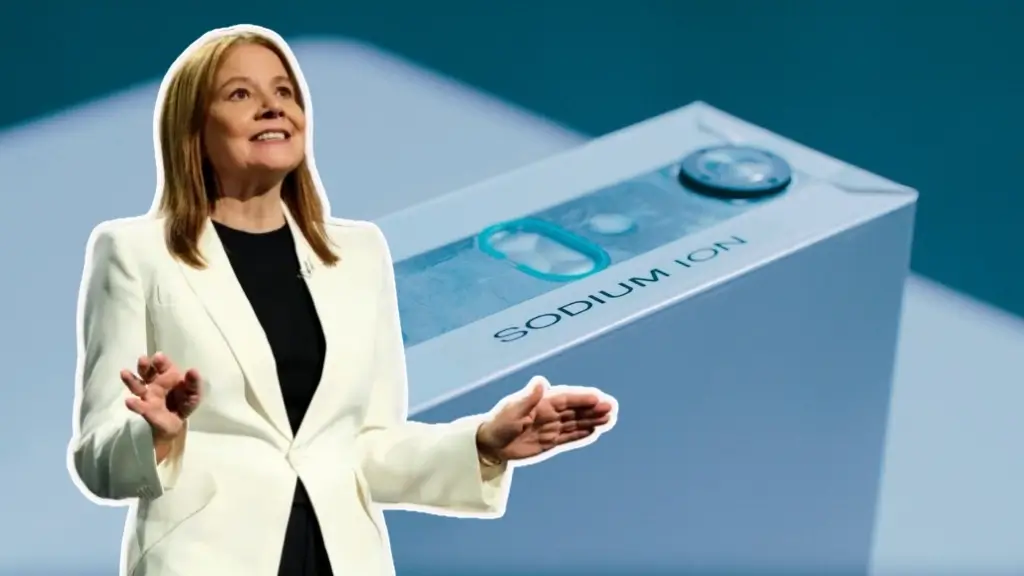
GM targets 2029 for domestic sodium-ion battery production

GM targets 2029 for domestic sodium-ion battery production

- September 14, 2026
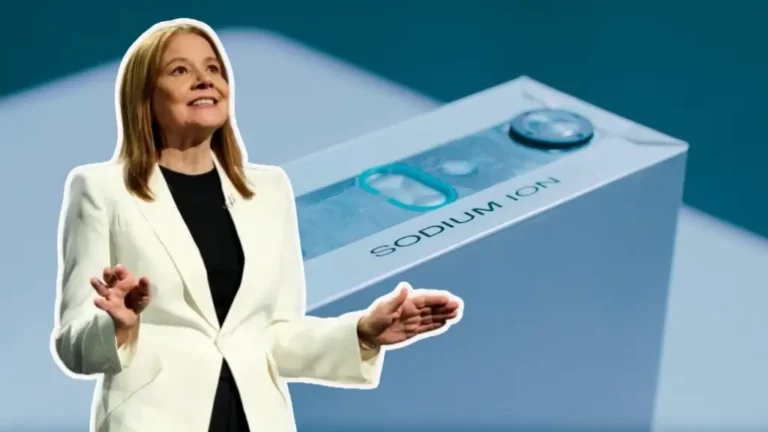
On the Dash: GM expects commercial production of sodium-ion battery cells with Peak Energy around 2029, initially targeting energy storage systems. The automaker is investing $900 million in new battery...

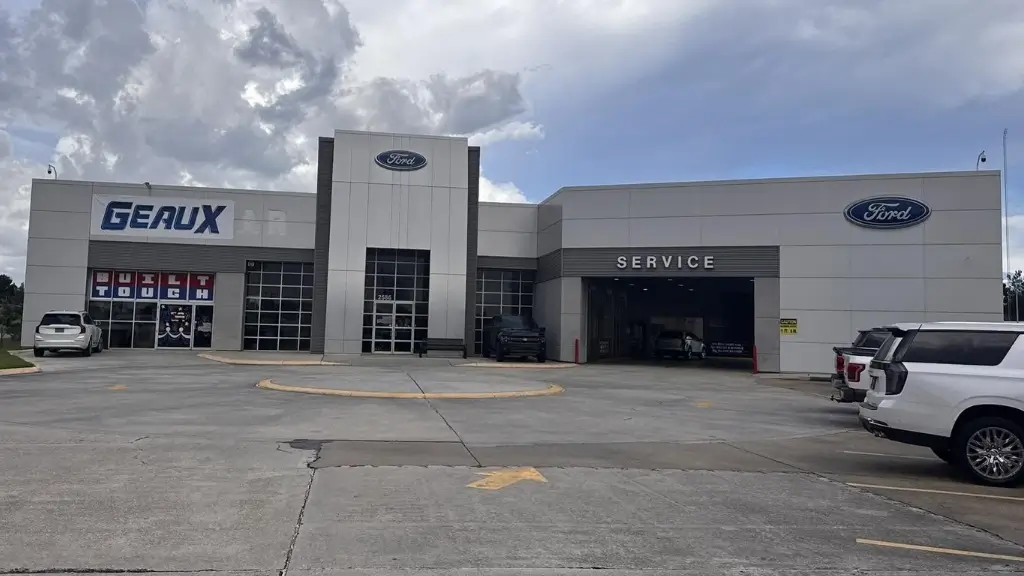
Geaux Automotive Group acquires three Louisiana dealerships

- September 14, 2026
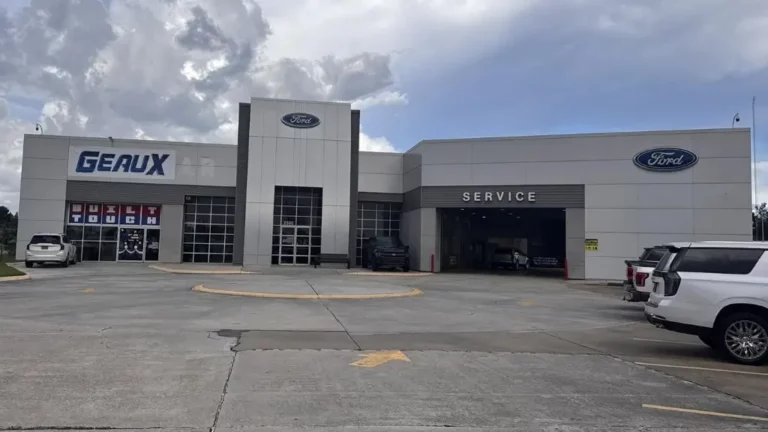
Geaux Automotive Group acquired three Louisiana dealerships from Hudson Automotive Group in September 2026, including Ford, Chrysler-Dodge-Jeep-Ram and Volvo franchises. The acquired stores will operate as Geaux Ford Denham Springs,...
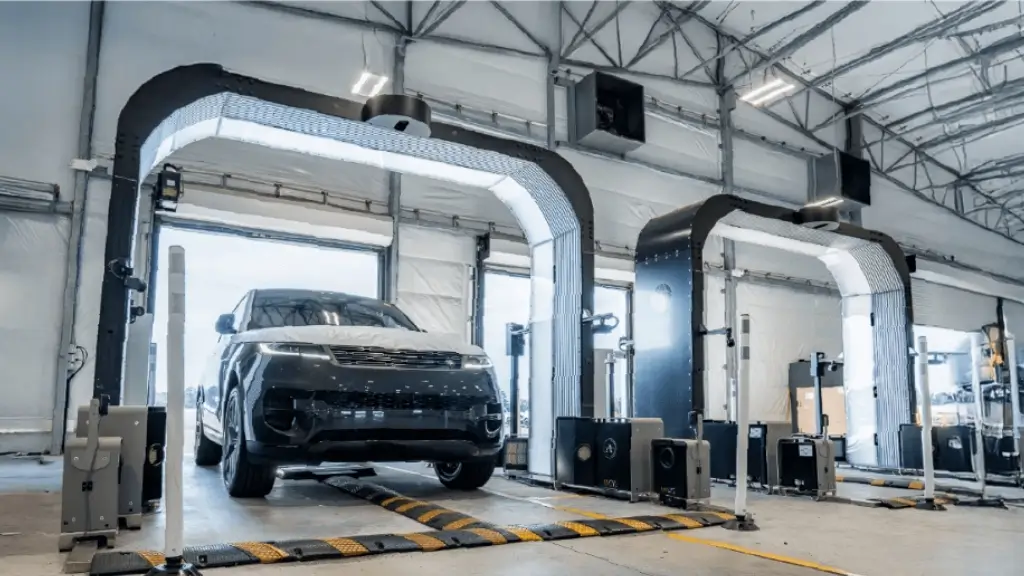
LaFontaine Automotive Group Partners with UVeye to Offer Complimentary AI Vehicle Safety Scans Across Michigan

LaFontaine Automotive Group Partners with UVeye to Offer Complimentary AI Vehicle Safety Scans Across Michigan

- September 14, 2026
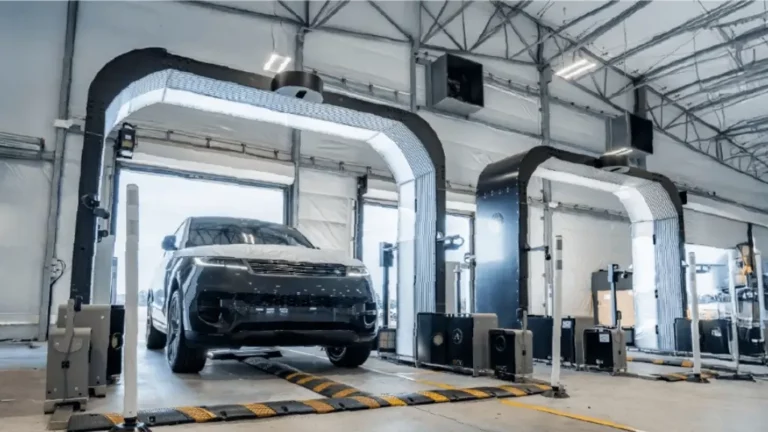
[DETROIT, Mich., September 14, 2026] – LaFontaine Automotive Group, one of the nation’s fastest-growing automotive retailers, today announced a strategic partnership with UVeye, the global leader in vehicle data intelligence,...
CBT News
Privacy Overview

This website uses cookies so that we can provide you with the best user experience possible. Cookie information is stored in your browser and performs functions such as recognising you when you return to our website and helping our team to understand which sections of the website you find most interesting and useful.