TSLA372.800-3.22%
GM76.620-2.32%
F12.260-0.14%
RIVN16.060-0.085%
CYD40.080-0.69%
HMC24.000-0.2%
TM191.260-1.72%
CVNA396.730-9.69%
PAG171.66010.11%
LAD291.00013.76%
AN205.6904.72%
GPI349.2104.51%
ABG201.3900.83%
SAH73.2600.87%
TSLA372.800-3.22%
GM76.620-2.32%
F12.260-0.14%
RIVN16.060-0.085%
CYD40.080-0.69%
HMC24.000-0.2%
TM191.260-1.72%
CVNA396.730-9.69%
PAG171.66010.11%
LAD291.00013.76%
AN205.6904.72%
GPI349.2104.51%
ABG201.3900.83%
SAH73.2600.87%
TSLA372.800-3.22%
GM76.620-2.32%
F12.260-0.14%
RIVN16.060-0.085%
CYD40.080-0.69%
HMC24.000-0.2%
TM191.260-1.72%
CVNA396.730-9.69%
PAG171.66010.11%
LAD291.00013.76%
AN205.6904.72%
GPI349.2104.51%
ABG201.3900.83%
SAH73.2600.87%

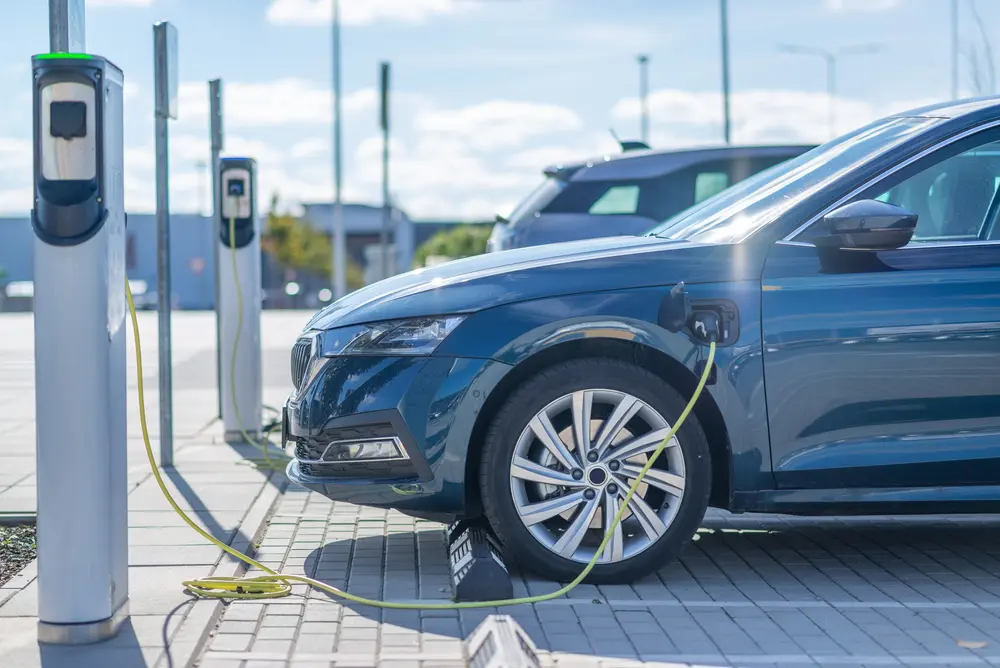
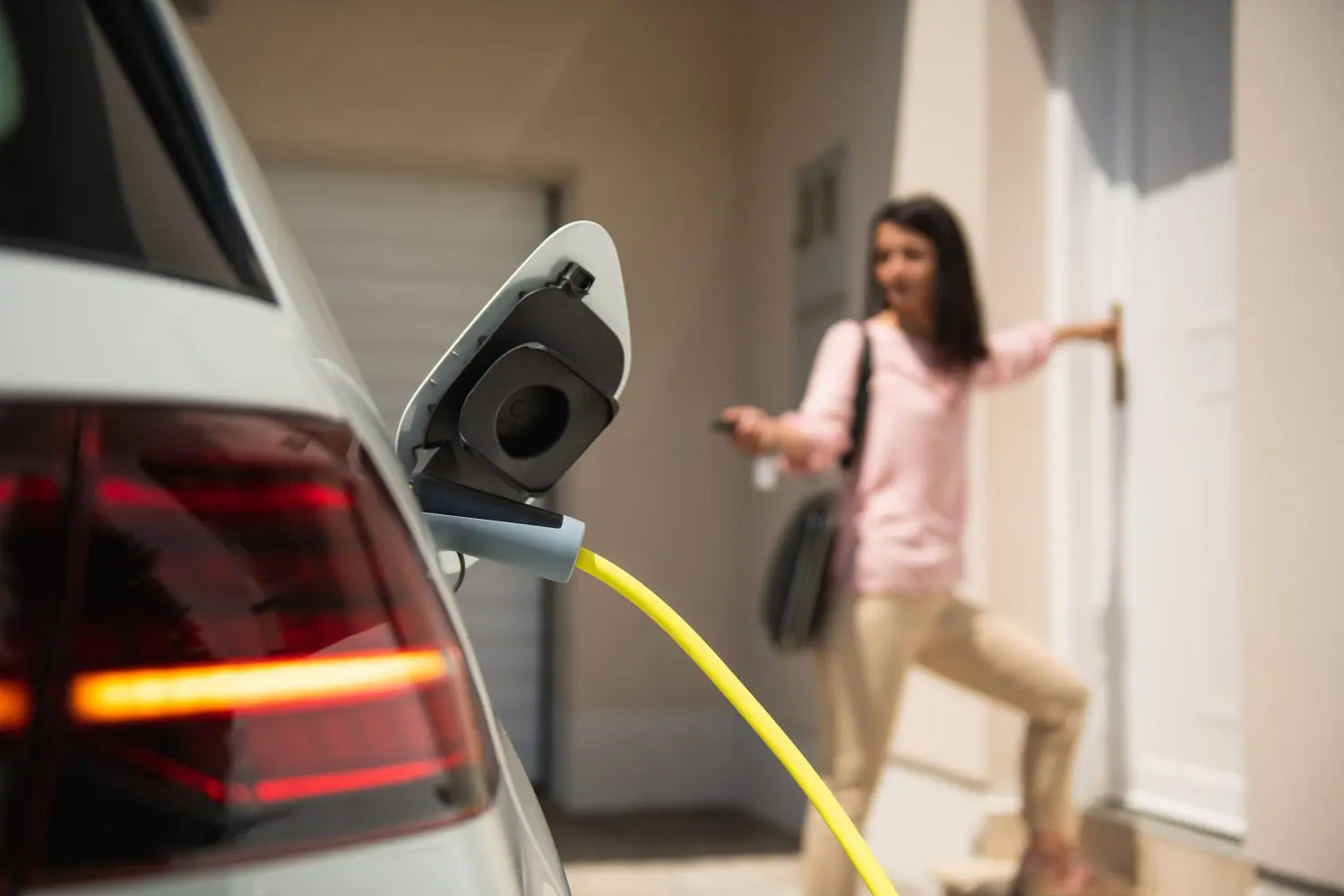
EV charging costs average of $1.41 per eGallon, less than half the cost of gas

The national average for an "eGallon" is less than half the current price of gas, implying that charging an EV remains more affordable.

In most areas of the U.S., charging an electric vehicle (EV) costs about $1 or $2 per gallon of gasoline [as of January 5]. The national average for an “eGallon” is $1.41, less than half the current price of gas, which is $3.09 per gallon.

For example, in Connecticut, charging an EV costs the equivalent of $2.53 per gallon of gas. While in Utah, charging an EV costs around $1.02 per gallon of gas. Additionally, in Wisconsin, charging an EV costs the equivalent of $1.24 per gallon of gas.

The Department of Energy came up with the “eGallon” concept by taking into account the following factors:

– The average miles per gallon for a comparable gasoline-powered car.

– The average kilowatt-hour per mile for an electric vehicle.

– The cost of electricity.

According to research discovered by Yale Climate Connections, multiplying these three figures results in the cost of driving an EV over the same distance a conventional car would travel on a single gallon of gas. The most affordable and environmentally friendly way to get around is by bicycle, on foot, or on public transportation. However, EVs are less expensive to operate than comparable gasoline-powered vehicles and produce less carbon emissions, making them a good choice for personal transportation needs. 

At less than $1 per gallon-equivalent, Washington State and Louisiana have the lowest residential energy prices, making them the most affordable states to charge an EV. In Washington state, gas prices are more than $4 per gallon, so driving an EV is particularly cost-effective. Ultimately, EV charging costs less than 25% of the cost of gas.

Because power is more expensive in Hawaii and California than in other states, charging an EV there is significantly more costly than in other places. Nevertheless, fueling an EV is still less expensive because gasoline is also expensive in those areas. 

Further Reading
More from Daily Automotive News
The government wants to track every mile you drive, and call it 'fair'

The government wants to track every mile you drive, and call it ‘fair’

- April 29, 2026
The next big fight over your car isn’t about gas prices, emissions, or even electric vehicles. It’s about something much bigger, who controls the road, and who controls you while...
Tasca Automotive Group acquires Lincoln dealership in Clearwater from AutoNation

Tasca Automotive Group acquires Lincoln dealership in Clearwater from AutoNation

- April 28, 2026
Tasca Automotive Group has expanded its Florida presence with the acquisition of AutoNation Lincoln Clearwater, adding its first Lincoln franchise in the Tampa Bay market. The transaction, which closed on...
Baumann Auto Group

Baumann Auto Group acquires Firelands Chevrolet of Norwalk in Ohio

- April 24, 2026
Ohio-based Baumann Auto Group has acquired Firelands Chevrolet of Norwalk from Patrick O'Brien of Firelands Auto Group, expanding its footprint in northern Ohio. The transaction closed on March 25, 2026,...
Tesla is winning the self-driving race – so why is Washington trying to slow it down?

Tesla is winning the self-driving race – so why is Washington trying to slow it down?

- April 24, 2026
Washington has a messaging problem on self-driving cars—and it’s becoming impossible to ignore. Regulators and politicians keep telling Americans that autonomous vehicles are the future. Safer roads. Fewer accidents. Smarter...
CBT News
Privacy Overview

This website uses cookies so that we can provide you with the best user experience possible. Cookie information is stored in your browser and performs functions such as recognising you when you return to our website and helping our team to understand which sections of the website you find most interesting and useful.