
Electric vehicles (EVs) are a different breed of mechanical knowledge. Does that mean electric vehicles cost more or less in the long run? This is an interesting question many car buyers deciding between a gasoline engine and a battery-powered engine have been facing and one that many will face in the near future. Let’s find out!
What are the long-term costs of electric vehicles (compared to gas-powered cars)?
Electric Costs vs. Gas
Both gas and electric cars require some math to understand what you are really paying. To be fair, your gas-powered vehicle will feel easier in part because gas stations list the price of gas, and your miles per gallon are easy to track.
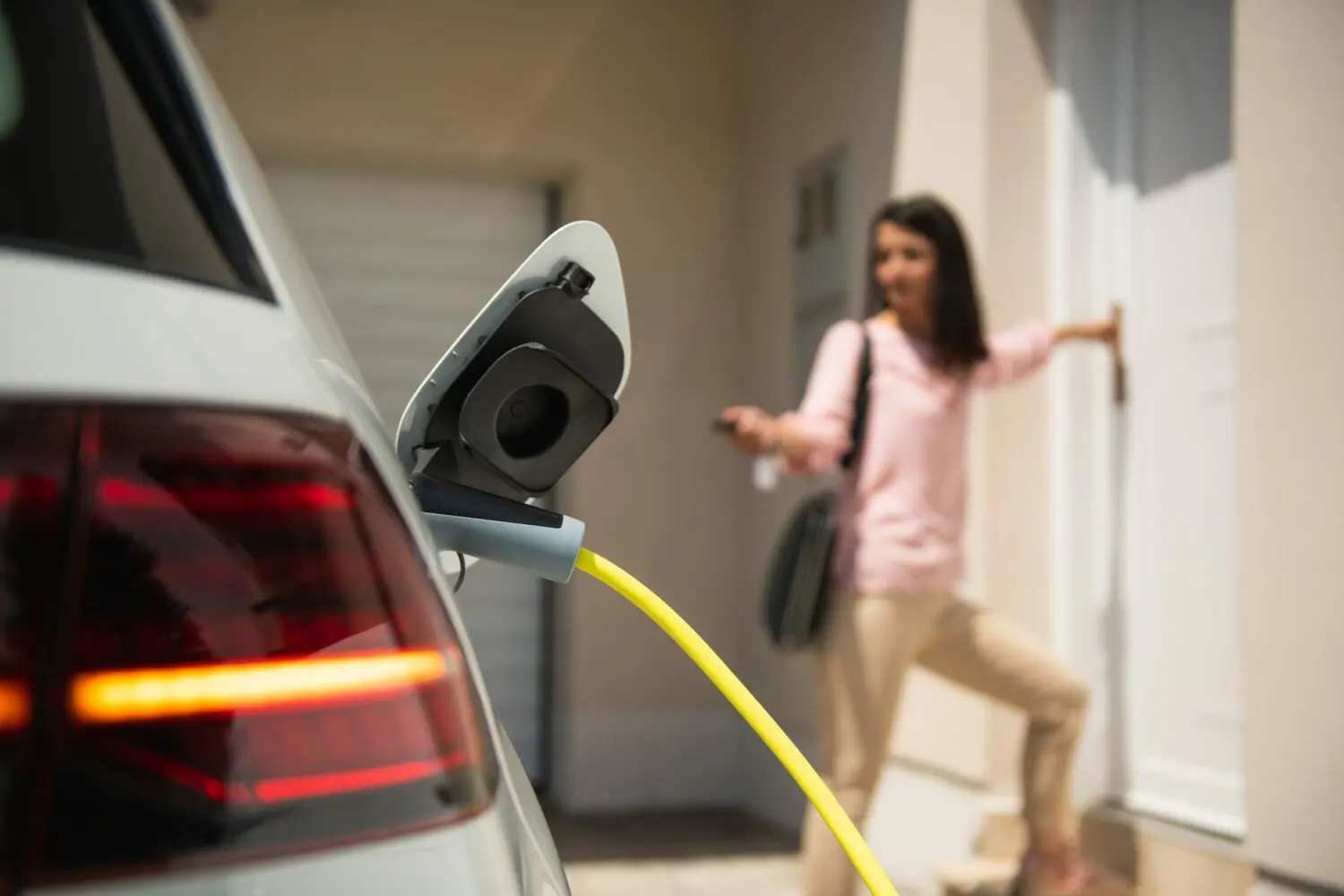
The cost to charge your vehicle at home will be mostly dependent upon the price you pay per kilowatt hour. While the amount could literally be listed clearly on your power bill, you can also do a little math and divide the number of kilowatt hours used in a month by the total cost of your electric bill, minus natural gas!
A couple of key things to know here: the average cost per kilowatt per hour in the United States is $0.16. The average electric car uses about three to four kilowatts per mile.
With the average American driver going around 13,000 miles per year, you can expect to spend $60 per month on electrical to power your vehicle.
You should also note that the price to charge on a private, paid network is higher than charging at your own place, and a bit more money to charge faster, often in until 45 minutes.
Just like gasoline, the amount you’ll pay depends on location. While we like to remain objective when discussing vehicles, it’s clear that based on current gasoline and electric prices, an electric car should carry a lower month-to-month recharging and refueling cost.
Repairs and Maintenance
While more modern vehicles often required fewer service appointments over the last couple of decades with the formulation of synthetic oil, some drivers feel like they get nickel and dimed by small things over the course of their vehicle’s lifetime with the replacement of spark plugs and anything else that might cause performance issues or an engine light.
Electric vehicles require less maintenance, but, and this is a bit of a big but, the repairs can be more expensive by $100 or more. A key difference here is that the electric vehicle, which doesn’t see the service department as often, is more likely to need a bigger repair, though less frequently.
The battery is one of the biggest questions from both dealers and drivers. Is the battery going to need to be replaced? Will it offer miles over the years? While that article asks questions about the pricing for preowned EVs, it reflects the less-than-predictable nature of the long-term use of batteries.
To be completely fair, gas engines tend to cost more as they age, so this isn’t exactly a new problem!
So what should I do as a car dealer selling electric vehicles?
Educate your customers to the best of your knowledge. Ask the customer questions about their vehicle use and listen for areas where the customer might be concerned about long-term costs.
Help them learn what to look for in terms of when to bring their electric vehicle in for service. While it won’t need many if any fluid checks, you’ll want to keep an eye on the chassis, battery, power steering, electric motors, brakes, and some other items. Filters and suspension are important too!
You can also talk about gas and electric costs in a similar manner to speaking of gas mileage: The range or miles per gallon ratings aren’t guaranteed and are based on normal, calm driving.
Conclusion
Electric and gas-powered vehicles have different costs and ways of measuring costs. Long term, electric vehicles will likely need less frequent but potentially large repairs than gas-powered vehicles. On the plus side, an electric car driver will likely see the service department less, while paying less for electric charging depending on the price of electricity in their area.