When Governor Jared Polis (D. Colorado) ran for office this past November, he campaigned on a promise to power the state via renewable energy by 2040. This past week, Polis took steps toward making the promise a reality, signing an executive order to support zero-emissions vehicles (ZEV). These measures come on top of previous ones, such as a $5,000 state tax credit for passenger ZEVs, and will be supported in part by the money Colorado received in a settlement with Volkswagen after the manufacturer was caught fudging emissions tests.
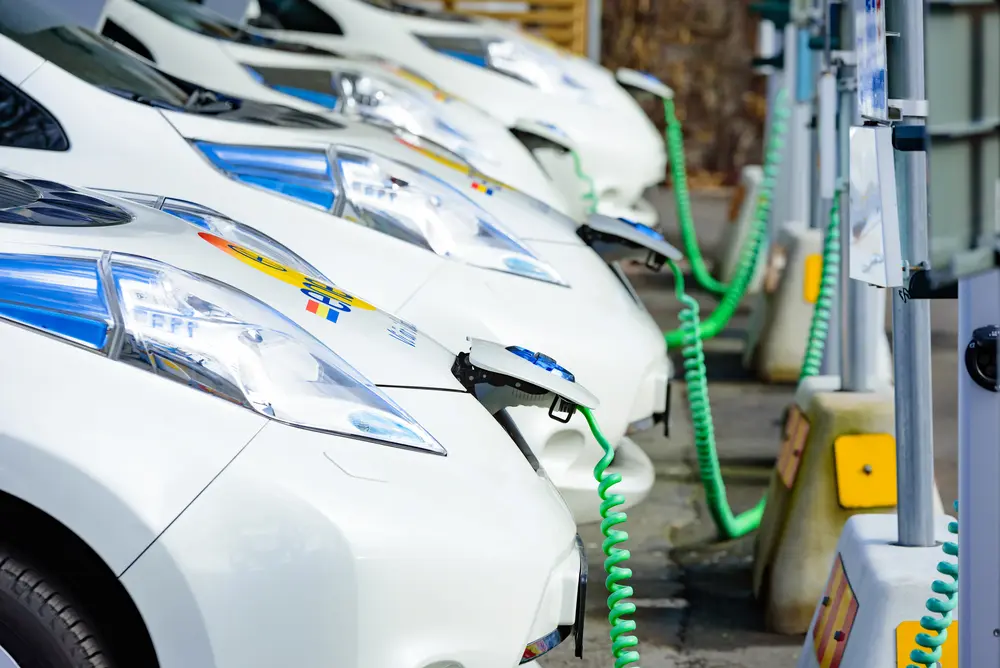
With this order, Colorado joins ten other ZEV states, including California, New Jersey, Maine, Connecticut, and Massachusetts. These states have all put in place requirements to further air quality, notably through legislature promoting ZEV. In these states, the government looks to either battery-operated electric cars or cars that create their energy via onboard processes to lower the emissions. Generally, they create target date goals for when they want a certain percentage of vehicles on the road to be ZEV, and most have harnessed tax and other monetary incentives to help bring about the chance. Additionally, states looking to reach zero emissions typically include plans for more charging stations, making owning and driving ZEVs more convenient.  As dealers, a state looking to reach zero emissions through cars often comes with some challenges and opportunities. For those already in the ZEV market, selling electric vehicles and other environment-friendly autos, a state shooting for zero emissions could bring up sales. This comes about for a few reasons. The first is that ZEVs are now on more buyer’s radars, and the state created conditions–like increased charging–make owning one a lot easier. Additionally, ZEV states often put quotas on manufacturers selling within those areas to provide a certain amount of ZEV stock. This means companies will look for dealers who already market them.
Not only that, but states committed to zero emissions create a push for automakers to invest in the technology. This could lead to newer, better ZEVs, that are more customer-friendly. The pressure has lead to companies building more EV options. The better this tech becomes, the more call there is for it, leading to dealerships generating more ZEV sales than they might have previously.
As dealers, a state looking to reach zero emissions through cars often comes with some challenges and opportunities. For those already in the ZEV market, selling electric vehicles and other environment-friendly autos, a state shooting for zero emissions could bring up sales. This comes about for a few reasons. The first is that ZEVs are now on more buyer’s radars, and the state created conditions–like increased charging–make owning one a lot easier. Additionally, ZEV states often put quotas on manufacturers selling within those areas to provide a certain amount of ZEV stock. This means companies will look for dealers who already market them.
Not only that, but states committed to zero emissions create a push for automakers to invest in the technology. This could lead to newer, better ZEVs, that are more customer-friendly. The pressure has lead to companies building more EV options. The better this tech becomes, the more call there is for it, leading to dealerships generating more ZEV sales than they might have previously.
That said, other dealers may find the goal chafing. As mentioned, often states who set zero emissions targets do so by setting standards. These can lead to dealerships being compelled by state governments and/or manufacturers to stock and sell ZEVs, which may not go over as well with their target demographic as traditionally fueled cars. It also takes a long time to educate consumers on these cars, making them less appealing to sales staff. Even if they do know about them, a large number of buyers just don’t see ZEVs as viable options as long as charge times continue to stretch into the half-hour mark and charging stations remain scarce. On top of that, many aren’t sold on the morality of ZEVs, since electric plants also create air, and the production of batteries can be harmful to both the environment and the people procuring the components. While the Coloradan emissions plan is still in development and does not lay out all the steps the state will take, there is already concern voiced online about how ZEVs will be regulated and whether or not dealerships will be penalized if they don’t sell prescribed amounts. Time will tell if this move brings more or less opportunity for dealerships.