High employee turnover, shifting consumer buying habits, and fluctuating gross margins continuously test leadership teams across retail automotive. When monthly volume tightens, dealership managers often respond by increasing pressure on sales associates and service advisors, inadvertently accelerating burnout and disengagement.
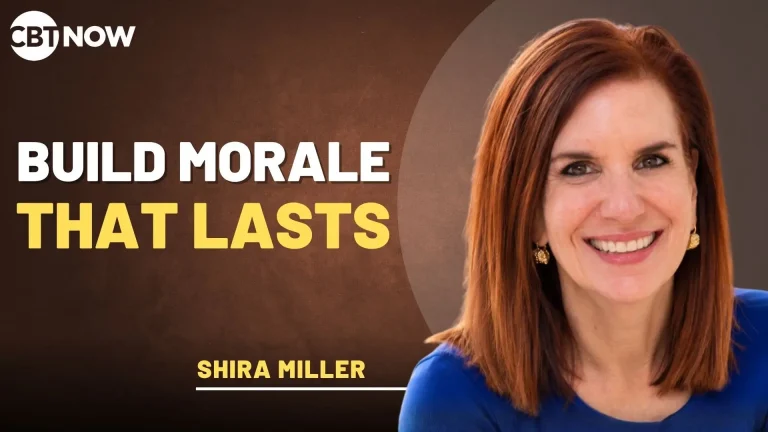
During the latest CBT Now episode, we sat down with Shira Miller, Chief Communications Officer at National DCP and Creator of the Activate the Remarkable framework, to examine how executives can stabilize morale, bridge generational divides, and strengthen retention across frontline and administrative teams.
In high-pressure retail environments, leadership often assumes compensation alone should keep employees motivated. However, Miller notes that relying solely on paychecks to drive morale overlooks what keeps staff engaged long-term. Citing research showing that optimistic, appreciative workplace cultures directly elevate employee performance and company profitability, Miller emphasized that recognition is a strategic business driver rather than a soft management tactic.
“You keep the momentum going by being the constant in an ever-changing workplace.”
With rapid technological shifts reshaping daily workflows, and World Economic Forum data projecting that 40% of current job skills will become obsolete by 2030, dealership personnel face constant pressure to adapt to new CRM tools, digital retailing platforms, and evolving customer expectations. Miller explained that pushing teams relentlessly without recognizing their daily contributions leads directly to exhaustion and costly turnover across the showroom floor and service lanes.
A three-step framework for employee engagement
Drawing from her 12-year C-suite tenure at National DCP, where employees span generations from age 18 to their mid-70s, Miller outlined a three-step framework for keeping hybrid and frontline teams engaged:
- See your people: Miller stressed that before employees can perform at their peak, they must feel recognized and appreciated for their unique strengths and personal interests.
- Spark optimism and possibility: She clarified that workplace optimism isn’t toxic positivity that ignores real business headwinds; it’s grounded in resilience and confidence that teams can overcome complex operational challenges together.
- Create growth opportunities: Even when formal promotions or salary increases are constrained by economic conditions, Miller noted that leaders can offer stretch assignments, cross-functional projects, or executive presentation opportunities that allow staff to expand their skill sets.
She also noted that across every demographic, from Baby Boomers to Gen Z, employees share a fundamental desire to know their work matters. Investing in an optimistic, purpose-driven culture isn’t merely a soft leadership tactic, but Miller underscored that research consistently links employee engagement directly to higher productivity and stronger corporate profitability.
Turning daily recognition into measurable profit
A common misconception among traditional executives is that workplace culture and employee appreciation represent soft, secondary priorities. Miller countered that cultivating an optimistic, appreciative environment is a pragmatic financial decision backed by consistent performance data.
To distinguish effective leadership from superficial cheerleading, Miller differentiated genuine optimism from toxic positivity. True organizational optimism acknowledges real economic headwinds and budget constraints while instilling collective confidence that the team can overcome them. By documenting daily employee wins, opening team meetings with peer recognition, and taking time to learn personal details about direct reports, executives serve as a stabilizing anchor that elevates retention, strengthens morale, and drives bottom-line results.