TSLA422.940-12.85%
GM82.080-1.16%
F16.885-0.555%
RIVN16.4850.185%
CYD57.2100.49%
HMC26.155-0.835%
TM182.480-7.47%
CVNA69.540-3.46%
PAG167.180-0.19%
LAD288.420-2.47%
AN187.7700.05%
GPI310.010-6.33%
ABG185.660-2.05%
SAH81.250-1.37%
TSLA422.940-12.85%
GM82.080-1.16%
F16.885-0.555%
RIVN16.4850.185%
CYD57.2100.49%
HMC26.155-0.835%
TM182.480-7.47%
CVNA69.540-3.46%
PAG167.180-0.19%
LAD288.420-2.47%
AN187.7700.05%
GPI310.010-6.33%
ABG185.660-2.05%
SAH81.250-1.37%
TSLA422.940-12.85%
GM82.080-1.16%
F16.885-0.555%
RIVN16.4850.185%
CYD57.2100.49%
HMC26.155-0.835%
TM182.480-7.47%
CVNA69.540-3.46%
PAG167.180-0.19%
LAD288.420-2.47%
AN187.7700.05%
GPI310.010-6.33%
ABG185.660-2.05%
SAH81.250-1.37%

US, South Korea reach deal lowering auto tariffs and unlocking $350 billion investment

The agreement reduces tariffs on Korean vehicles and parts, boosts trade cooperation, and earmarks funding for shipbuilding and strategic sectors.
US, South Korea, tariffs

On the Dash:

  • Tariffs on Korean autos and parts drop from 25% to 15%, retroactive to November 1.
  • South Korea commits $350 billion to the U.S. in phased investments, with $200B in cash and $150B for shipbuilding and private-sector projects.
  • The deal strengthens cooperation on semiconductors, agriculture, digital services, and LNG purchases, enhancing U.S.-South Korea trade ties.

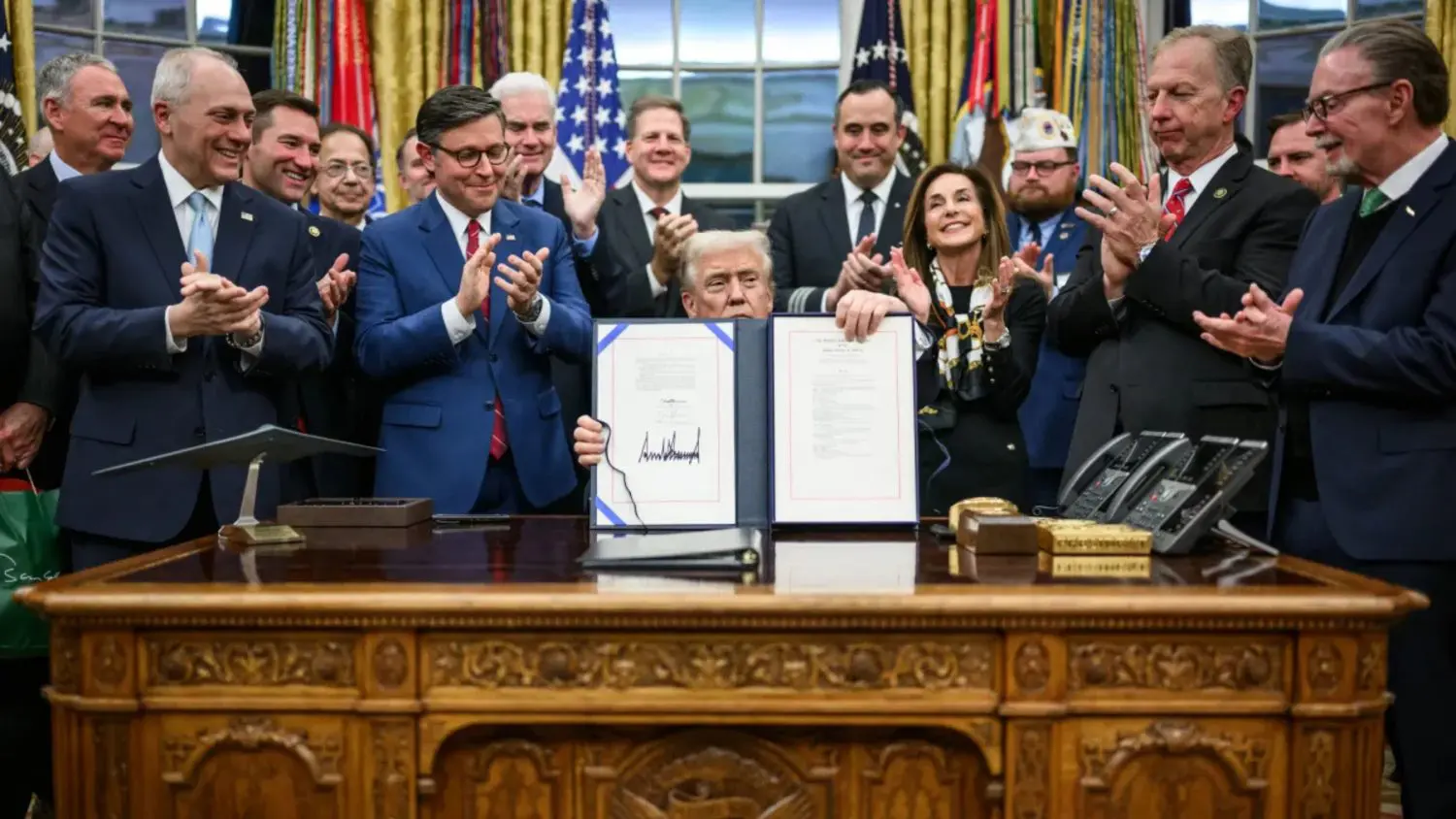
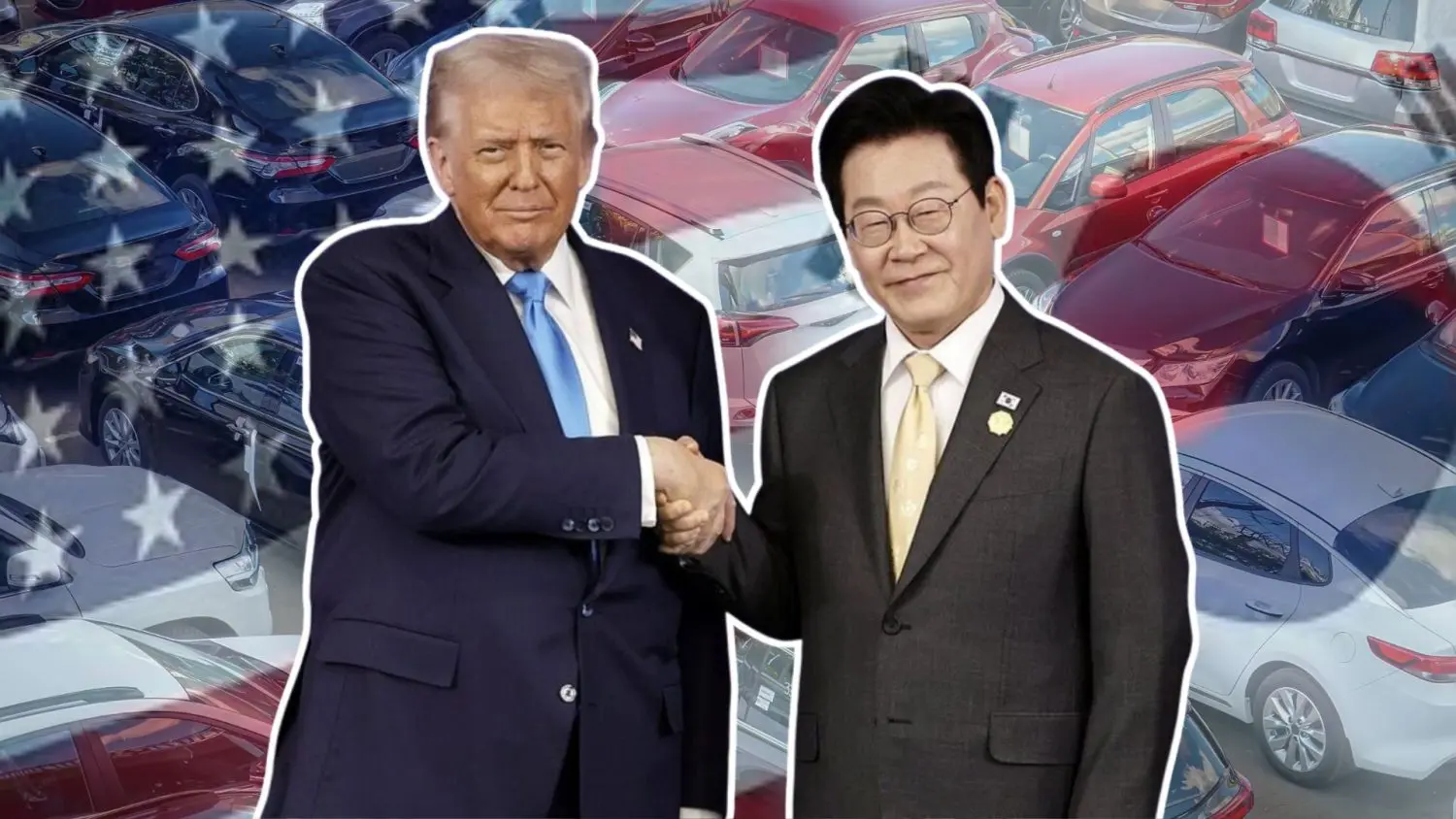
The United States and South Korea announced a landmark trade and investment agreement following a recent summit between President Donald Trump and South Korean President Lee Jae Myung.

Under the deal, tariffs on U.S. imports of Korean automobiles and auto parts will be reduced from 25% to 15%, bringing them in line with those of Japanese competitors. The tariff reductions will be retroactive to November 1, once the agreement is finalized and the $350 billion investment package is submitted to the South Korean Parliament.

The agreement also addresses broader trade issues. U.S. imports of South Korean wood products and pharmaceuticals will face tariffs no higher than 15%, while aircraft parts and generic drugs will remain tariff-free.

Sign up for CBT News’ daily newsletter and get the latest industry stories delivered straight to your inbox.

On semiconductors, U.S. terms for South Korea will be no less favorable than those offered to Taiwan, ensuring competitive parity. Both countries agreed to work together to remove non-tariff barriers in South Korea’s agricultural and digital services sectors, including U.S. meat market access, online platform regulations, and cross-border data transfers.

Separately, Korea Gas signed long-term agreements to purchase approximately 3.3 million metric tons of U.S. liquefied natural gas annually.

The $350 billion investment fund will be divided into $200 billion in phased cash contributions from South Korea, capped at $20 billion annually to maintain currency stability, and $150 billion earmarked for shipbuilding cooperation, including loans, guarantees, and private-sector investment. Funding will primarily come from offshore markets using operating income from South Korea’s foreign assets.

The deal stipulates that profits will be split evenly before initial investments are recouped, with only commercially viable projects pursued. Additionally, South Korea may request adjustments to the timing or amount of funding, which the U.S. has agreed to consider in good faith.


Read More
More from Articles
New U.S. trade proposal would raise vehicle content requirements, reshape North American supply chains

New U.S. trade proposal would raise vehicle content requirements, reshape North American supply chains

- June 1, 2026
On the Dash: Higher U.S. content requirements could increase sourcing and manufacturing costs across the automotive supply chain. Changes to USMCA rules may affect vehicle pricing, production strategies, and inventory...
UAW strike begins at major GM supplier after contract talks fail

UAW strike begins at major GM supplier after contract talks fail

- June 1, 2026
On the Dash: A strike at a key General Motors supplier could lead to future disruptions in parts and production if the work stoppage continues. Labor costs, wage demands, healthcare...
Mercedes-Benz dealers face uncertainty as Congress weighs ownership restrictions

Mercedes-Benz dealers face uncertainty as Congress weighs ownership restrictions

- June 1, 2026
On the Dash: Proposed legislation could bar Mercedes-Benz from importing, selling, or manufacturing vehicles in the U.S. for five years. Dealers should monitor the bill's ownership thresholds, which could affect...
Stellantis partners with Wayve on self-driving tech

Stellantis partners with Wayve on self-driving tech

- June 1, 2026
On the Dash: Stellantis and Wayve will integrate AI-powered, hands-free automated driving into North American vehicles by 2028. The system operates at Level 2++, handling steering and braking while the...