TSLA422.240-21.06%
GM74.860-2.89%
F13.410-1.07%
RIVN13.790-0.73%
CYD50.000-1.02%
HMC26.1800.51%
TM190.6800.18%
CVNA67.170-2.36%
PAG162.180-6.88%
LAD261.920-12.84%
AN184.150-8.5%
GPI313.620-20.71%
ABG179.170-13.92%
SAH73.960-3.88%
TSLA422.240-21.06%
GM74.860-2.89%
F13.410-1.07%
RIVN13.790-0.73%
CYD50.000-1.02%
HMC26.1800.51%
TM190.6800.18%
CVNA67.170-2.36%
PAG162.180-6.88%
LAD261.920-12.84%
AN184.150-8.5%
GPI313.620-20.71%
ABG179.170-13.92%
SAH73.960-3.88%
TSLA422.240-21.06%
GM74.860-2.89%
F13.410-1.07%
RIVN13.790-0.73%
CYD50.000-1.02%
HMC26.1800.51%
TM190.6800.18%
CVNA67.170-2.36%
PAG162.180-6.88%
LAD261.920-12.84%
AN184.150-8.5%
GPI313.620-20.71%
ABG179.170-13.92%
SAH73.960-3.88%

U.S. cuts tariffs on Japanese autos to 15% under trade deal

The Trump administration enforces a trade agreement with Japan to lower tariffs on vehicles and parts, while a $550 billion U.S. investment fund from Tokyo is under scrutiny.
The United States will formally implement a lower 15% tariff on Japanese automobiles and auto parts effective today.

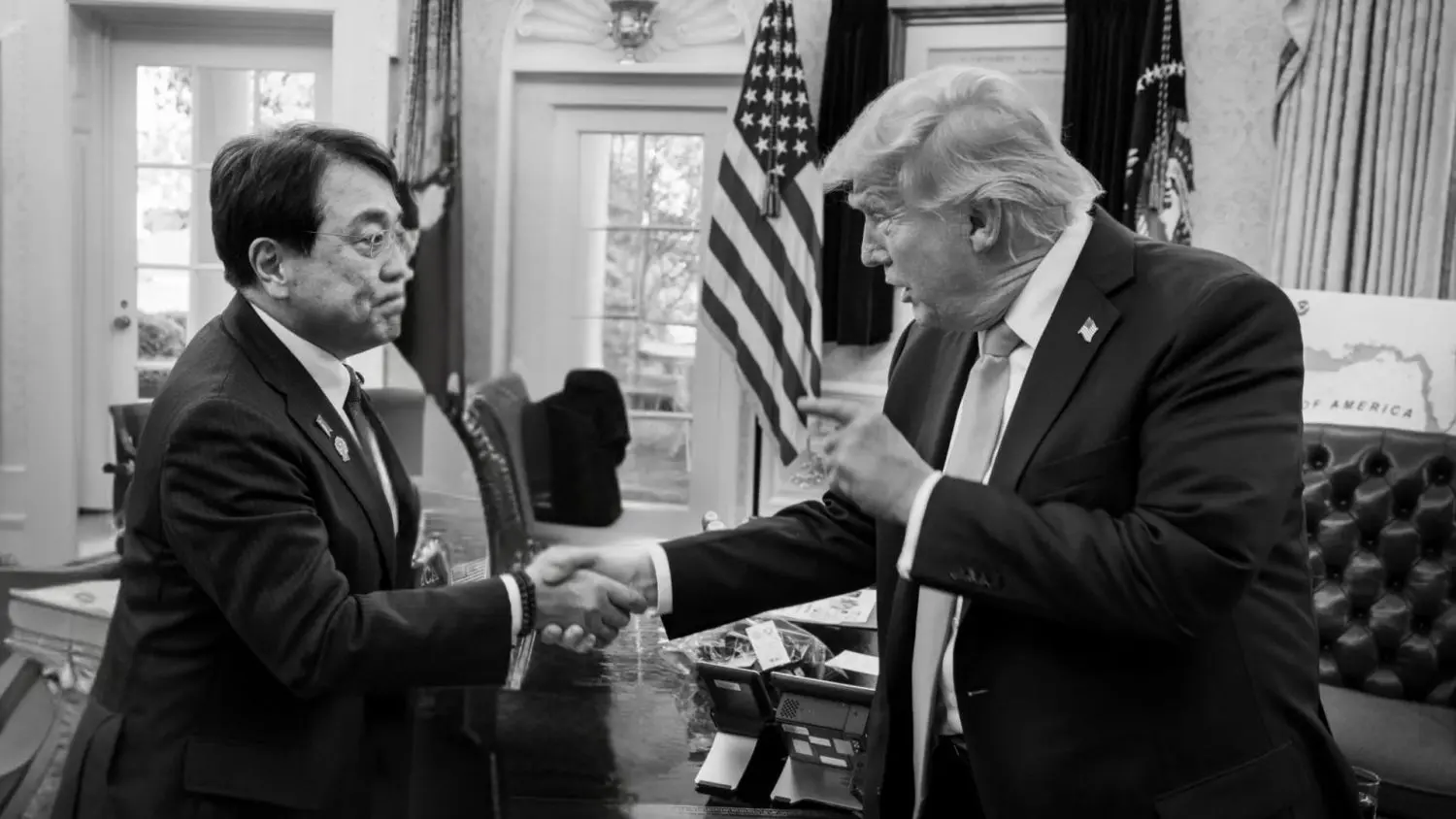
President Trump meets with the Japanese Minister of State for Economic and Fiscal Policy Ryosei Akazawa | The White House Media

On the Dash:

  • U.S. tariffs on Japanese automobiles and auto parts drop from 27.5% to 15% starting Tuesday, following President Trump’s executive order.
  • The move protects a major component of Japan’s exports, employment, and wage growth, easing financial pressure on manufacturers.
  • Japan has pledged a $550 billion U.S. investment fund as part of the trade deal. However, U.S. officials that unclear details on funding and compliance may lead to higher tariffs if commitments are not met.

The United States will formally implement a lower 15% tariff on Japanese automobiles and auto parts effective today, in line with a trade agreement between the two nations, lowering the previous tariff from 27.5%. This reduction stems from an executive order signed earlier this month by President Donald Trump.

According to guidance from U.S. Customs and Border Protection, the new tariff applies to passenger vehicles, light trucks, and automobile parts that are produced in Japan and imported for consumption or withdrawn from a warehouse for consumption after 12:01 a.m. Eastern Daylight Time on September 16, 2025.

Sign up for CBT News’ daily newsletter and get the latest industry stories delivered straight to your inbox.

The tariff cut is a major relief for Japan’s automotive sector, a key driver of exports to the U.S., a significant source of employment, and an influential factor in wage growth. Japanese officials had pressed the Trump administration to reduce auto tariffs, citing the critical importance of the industry to the national economy.

The broader trade agreement also includes Japan’s commitment to establish a $550 billion U.S. investment fund, a major concession that helped secure the lower tariff rate. However, concerns have been raised regarding the funding and implementation of this investment fund, as both countries have presented differing descriptions of the commitment. U.S. Commerce Secretary Howard Lutnick has warned that Japan could face higher import taxes if it fails to fully fund the investment decisions made by Trump.

The tariff reduction is expected to affect pricing, import strategies, and logistics for automakers and parts suppliers. Analysts suggest that U.S. consumers may experience modest cost benefits on Japanese vehicles and components over time, while policymakers continue to monitor Japan’s compliance with the investment fund commitment.

The automotive sector remains the largest component of Japanese exports to the U.S., and the lower tariff could set a precedent for future trade negotiations. Meanwhile, the Trump administration has emphasized the move as part of a broader strategy to leverage trade deals and tariffs to strengthen U.S. economic interests.


Read More
More from Articles
U.S. factory output rises 0.6% as global tensions disrupt supply chains

U.S. factory output rises 0.6% as global tensions disrupt supply chains

- May 15, 2026
On the Dash: Auto production remains a key growth driver, reinforcing the industry’s outsized impact on broader manufacturing performance. AI-related demand is increasingly supporting vehicle and tech production, helping offset...
CBT News heads to Washington, D.C., to host Auto Leadership Summit

CBT News heads to Washington, D.C., to host Auto Leadership Summit

- May 15, 2026
ATLANTA, Georgia (May 15, 2026)— CBT News, the auto dealer community’s No.1 resource for industry insights and news coverage, announced it will bring together the auto industry for the Auto...
BMW of North America introduces preferred pricing at IONNA charging network

BMW of North America introduces preferred pricing at IONNA charging network

- May 15, 2026
BMW and MINI drivers will receive discounted rates when charging at IONNA locations across the U.S. Access seamlessly enabled through Plug & Charge and the My BMW App Woodcliff Lake, N.J....
The Detroit Three cuts 20,000 salaried jobs, AI threatens to eliminate thousands more

Detroit Three cuts 20,000 salaried jobs, AI threatens to eliminate thousands more

- May 15, 2026
On the Dash: The Detroit Three have cut more than 20,000 salaried jobs from recent employment peaks. AI is now accelerating workforce reductions that began years before the technology emerged. ...
CBT News
Privacy Overview

This website uses cookies so that we can provide you with the best user experience possible. Cookie information is stored in your browser and performs functions such as recognising you when you return to our website and helping our team to understand which sections of the website you find most interesting and useful.