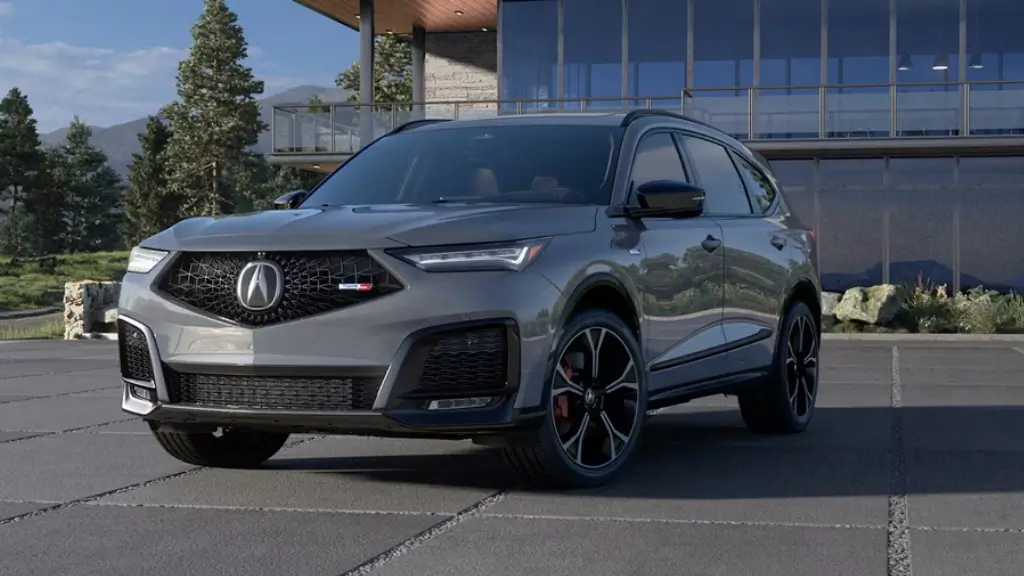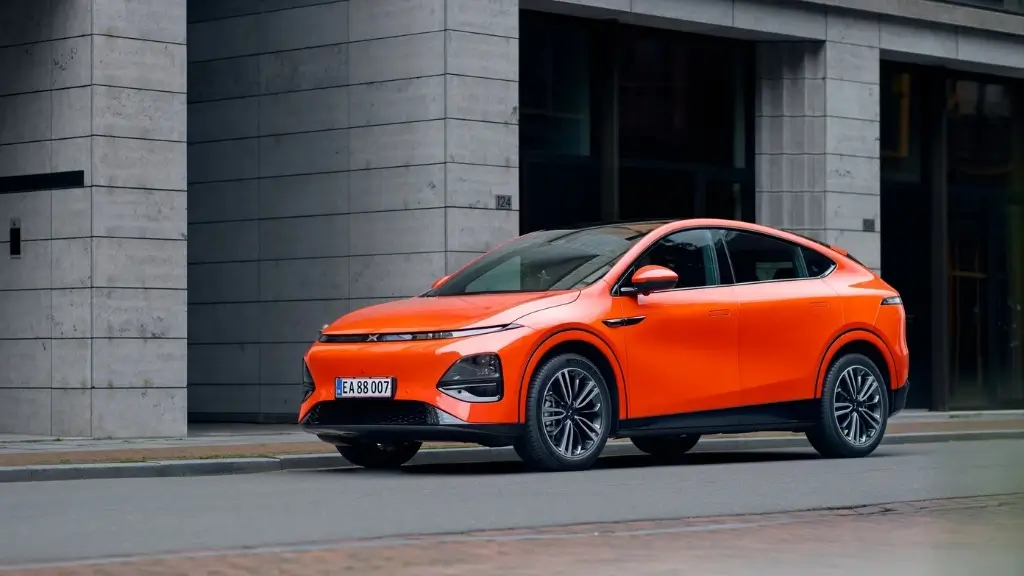

According to a Cox Automotive report, the automotive industry is currently experiencing significant disruption due to the U.S. implementing a 25% tariff on all imported vehicles. This measure is already affecting vehicle sales, inventory levels, and manufacturing operations.
What’s happening?
First, introducing new tariffs on imported vehicles has contributed to a shift within the U.S. automotive landscape. For instance, in March, new vehicle sales increased to an estimated 1.59 million units, exceeding Cox Automotive’s forecast of 1.43 million units. This also marks the highest sales volume in four years. Notably, this increase was driven by consumers who rushed to purchase vehicles before anticipated price hikes resulting from the tariffs. Consequently, the seasonally adjusted annual rate (SAAR) of sales reached 17.8 million, the highest in four years, representing a remarkable 30% increase from February.
Who’s impacted?
Moreover, these tariffs have created ripple effects throughout the automotive sector. Consumers have responded with urgency, leading to a 30% increase in traffic on Cox Automotive’s Kelley Blue Book and Autotrader websites in March compared to previous months. However, as the market stabilizes, Cox Automotive has revised its forecast for full-year sales down to 15.6 million vehicles, a reduction from an earlier estimate of 16.3 million.
Additionally, the sharp rise in sales appears to be a temporary reaction to the new tariffs. Automakers are approaching the situation in various ways; for instance, some are offering discounts or price assurance programs, while others are halting production or holding vehicles at the border as they assess the new rules.
As we head into summer, higher prices are likely to slow down market conditions.
How will prices and inventory be affected?
Transitioning to pricing and inventory, the new tariffs are expected to drive up prices across the market. Vehicles priced under $30,000, which represent a significant share of U.S. vehicle sales, will be especially impacted. Popular models, such as the Honda Civic, Toyota Corolla, and Chevrolet Trax, will likely see higher costs. In fact, Cox Automotive anticipates that vehicle prices could rise by 10-15%. Furthermore, some models that are not subject to the full tariff may still experience a 5% price increase.
On the inventory front, levels are also changing. By the end of March, dealers reported new vehicle inventory at 2.67 million units, marking a slight increase compared to 2024, though strong sales have influenced this rise. At the same time, the inventory of used vehicles has continued to decline and is expected to tighten further due to the tariffs. Overall, the auto industry’s inventory will continue to evolve as supply and demand fluctuate.
What’s next?
Looking ahead, sales may remain strong in the short term as consumers aim to purchase vehicles before further price increases occur. However, as production disruptions become evident and higher prices become more widespread, it is likely that the market will slow down by summer. While U.S. manufacturers are actively working to adapt to these changes, the broader impact on global supply chains and vehicle affordability remains uncertain.