TSLA391.060-3.4%
GM77.7200.08%
F14.1800%
RIVN17.090-0.71%
CYD44.720-1.15%
HMC28.7700.88%
TM179.7602.84%
CVNA70.6400.05%
PAG204.7504.35%
LAD339.1607.79%
AN209.0005.46%
GPI331.65012.25%
ABG226.6608.23%
SAH102.8103.08%
TSLA391.060-3.4%
GM77.7200.08%
F14.1800%
RIVN17.090-0.71%
CYD44.720-1.15%
HMC28.7700.88%
TM179.7602.84%
CVNA70.6400.05%
PAG204.7504.35%
LAD339.1607.79%
AN209.0005.46%
GPI331.65012.25%
ABG226.6608.23%
SAH102.8103.08%
TSLA391.060-3.4%
GM77.7200.08%
F14.1800%
RIVN17.090-0.71%
CYD44.720-1.15%
HMC28.7700.88%
TM179.7602.84%
CVNA70.6400.05%
PAG204.7504.35%
LAD339.1607.79%
AN209.0005.46%
GPI331.65012.25%
ABG226.6608.23%
SAH102.8103.08%

Toyota to centralize Lexus production in U.S., Nikkei reports

Toyota is planning to consolidate its luxury arm into a single location, the Nikkei reports.
Toyota Motor is consolidating production for Lexus luxury vehicles. This move will involve ending operations at its Kentucky plant.

On the Dash:

  • Toyota is planning to streamline Lexus production in the U.S., reducing operations from two plants to one. 
  • Production of the Lexus EF sedan in Kentucky will stop, with some high-end models shifting to Japan. 
  • High U.S. tariffs drive the move, aiming to strengthen domestic hybrid vehicle manufacturing.

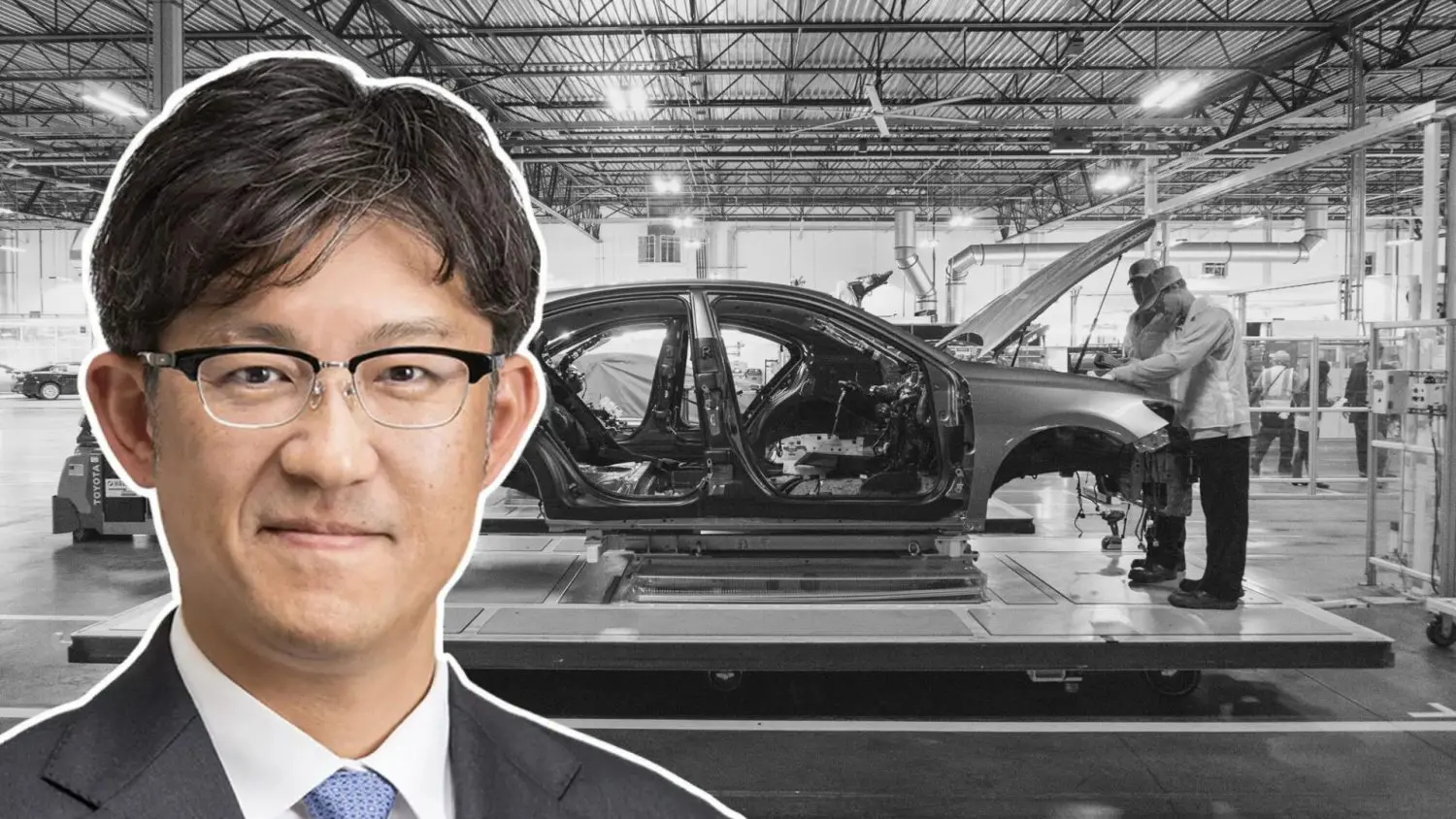
According to Nikkei Asia, a Japan-based English-language news outlet, Toyota Motor is consolidating its U.S. production for Lexus luxury vehicles. This move will involve ending operations at its Kentucky plant, which currently produces ES sedans, and shifting some high-end Lexus production to Japan.

Currently, Lexus manufactures the ES sedans in Kentucky and produces the TX SUVs in Indiana. Under the new plan, the automaker plans to halt production of Lexus sedans in Kentucky, which will reduce all U.S. operations to a single site. Toyota aims to optimize manufacturing efficiency while addressing the high tariffs imposed by the Trump administration.

Sign up for CBT News’ daily newsletter and get the latest industry stories delivered straight to your inbox.

This centralization is part of the automaker’s broader strategy to balance international and domestic production, maintain competitiveness in the luxury vehicle market, and emphasize hybrid technology. The change may impact local jobs and supplier networks, highlighting the ongoing influence of trade policies on the automotive industry.

By focusing its U.S. operations, Toyota seeks to reduce costs and streamline production in response to shifting market demands while continuing to supply both traditional and hybrid luxury vehicles to the North American market.


Read More
More from Articles
Detroit automakers respond to hazardous air as wildfire smoke impacts production

Detroit automakers respond to hazardous air as wildfire smoke impacts production

- July 17, 2026
On the Dash: Production remains online, but ongoing air quality issues could temporarily disrupt manufacturing output if conditions worsen. Any prolonged production interruptions at Michigan assembly plants could affect future...
Honda ends U.S. Prologue EV as hybrid demand reshapes strategy

Honda ends U.S. Prologue EV as hybrid demand reshapes strategy

- July 17, 2026
On the Dash: Honda dealers should expect hybrids, not EVs, to drive showroom traffic and sales growth in the near term. The Prologue's retirement reflects continued softness in U.S. EV...
New-vehicle affordability slips in June as prices, loan rates climb

New-vehicle affordability slips in June as prices, loan rates climb

- July 17, 2026
On the Dash: New-vehicle affordability declined slightly in June as prices and loan rates outweighed income growth Affordability still beat last year, thanks to 4.1% income growth and lower...
Ford files patent for smart tool tracking system in vehicles

Ford files patent for smart tool tracking system in vehicles

- July 16, 2026
On the Dash: Ford patented a system (US 12,682,191) that tells tool theft from tag failure using sensor data. The system checks toolbox temperature and door/window status before issuing a...
CBT News
Privacy Overview

This website uses cookies so that we can provide you with the best user experience possible. Cookie information is stored in your browser and performs functions such as recognising you when you return to our website and helping our team to understand which sections of the website you find most interesting and useful.