On the Dash:
- Toyota opened a 30,000-square-foot battery research center in Saline Township, Michigan, expanding its North American battery development capabilities.
- The facility will support battery technology across EVs, hybrids, plug-in hybrids and hydrogen vehicles.
- Toyota expects the center to help engineers resolve field concerns faster and develop batteries designed for U.S. driving conditions.
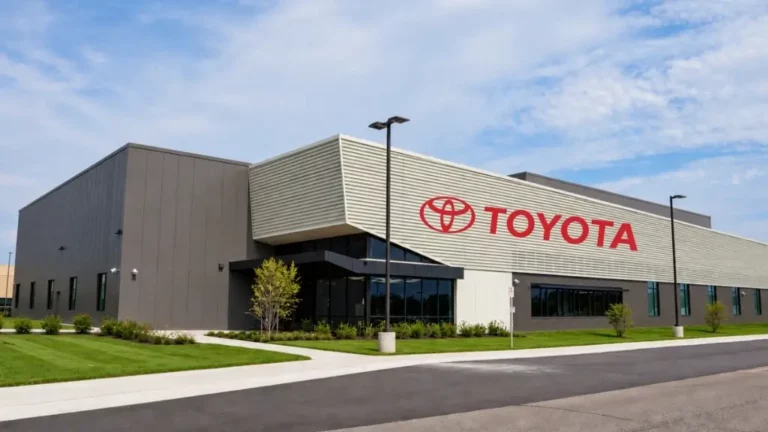
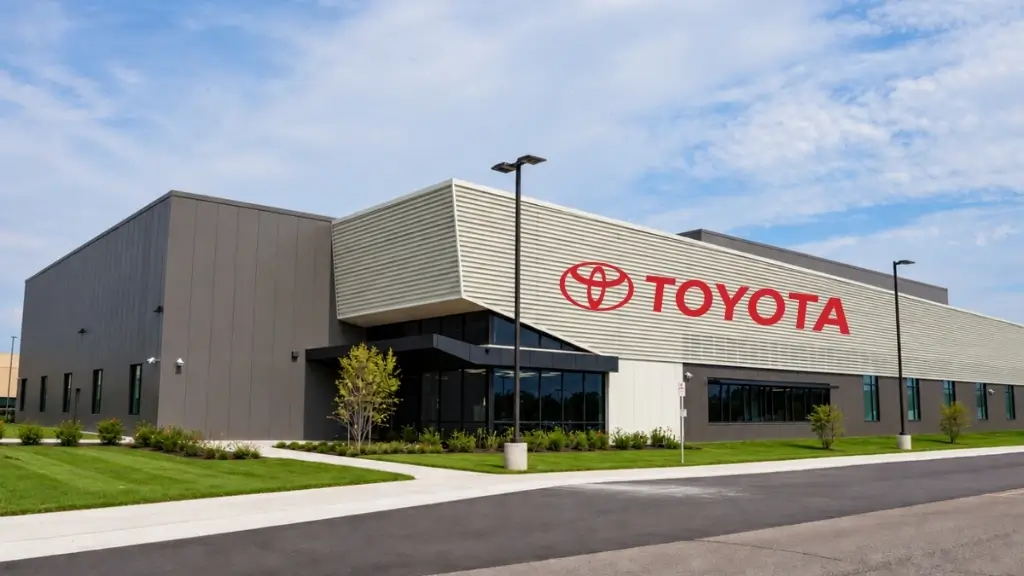
On October 1, Toyota opened its new battery research center in Saline Township, south of Ann Arbor. This 30,000-square-foot facility will serve as the automaker’s central hub for developing and evaluating battery technology across North America and is estimated to require an investment of about $50 million.
The center will assess battery technology for Toyota’s North American (TMNA) manufacturing network, including support for the company’s $13.9 billion battery manufacturing plant in North Carolina. Engineers at the facility will work throughout the battery development cycle, including sourcing raw materials, developing customer applications, and recycling.
According to Keita Moritsu, Senior Vice President and Chief Technology Officer at TMNA R&D, in a statement, “This center is where that leadership expands to North America — and where we’re building its next chapter.”
The facility will also support battery technologies for the automaker’s expanding EV lineup. By the end of 2026, the automaker plans to have six battery-electric vehicles (BEVs) on the market, up from two in 2025. The company’s electrification efforts also include traditional hybrids, plug-in hybrids, and hydrogen-powered vehicles. The center is designed to help engineers identify and address field-related concerns more quickly and closer to their source. It will focus on developing longer-lasting batteries suited to the conditions American drivers face. Additionally, the site will provide research access to the University of Michigan’s Electric Vehicle Center.
Toyota has maintained research and development operations in Michigan for over 50 years, and this new facility strengthens that commitment by adding battery research and testing capabilities. The automaker is positioning the center as a crucial part of its next-generation electrified vehicle development.