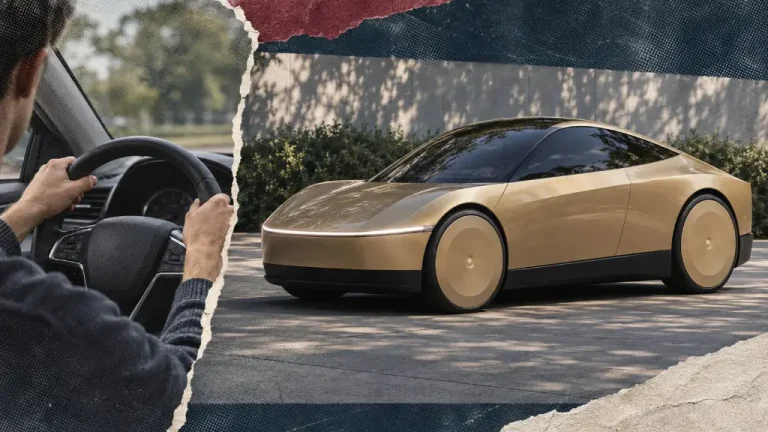
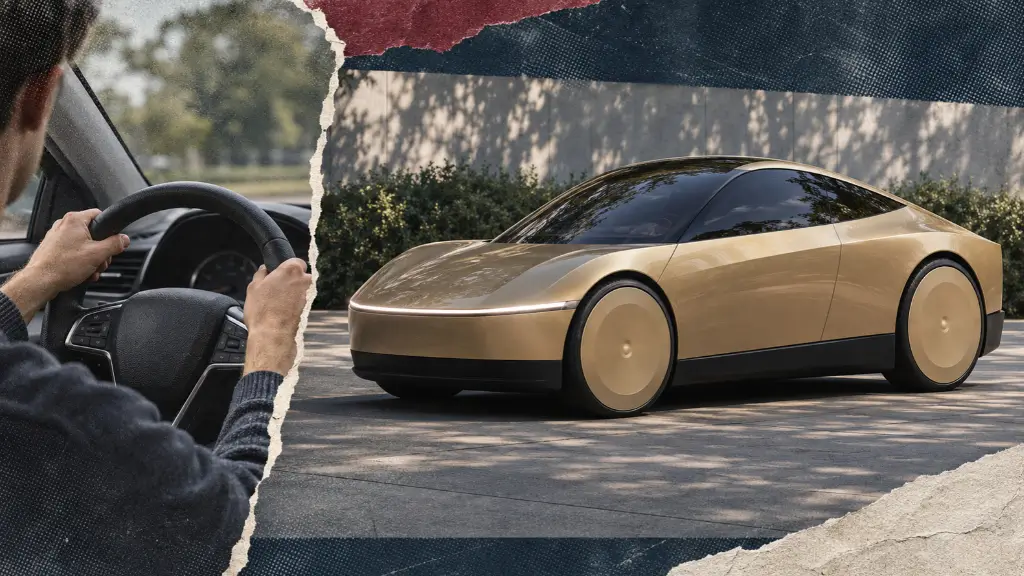
Elon Musk wants to change the way Americans think about driving, and his latest move should get every car owner’s attention. Tesla is winding down Cybertruck production at its Texas factory to make room for more Cybercabs, two-seat autonomous vehicles designed to operate without a steering wheel, pedals or a human driver. The message is becoming pretty clear: Tesla’s future isn’t just about selling you a car. It’s about changing how you get around, who owns the vehicle and who controls the technology.
If you think this is simply another automotive technology story, you’re missing the bigger picture. This is about ownership, independence and the growing business opportunity in making consumers dependent on services they don’t control.
Remember the Cybertruck? Musk once predicted Tesla could sell 250,000 a year. After a highly publicized reveal, broken-window demonstration, production delays and repeated price changes, the truck never came close to that target. Kelley Blue Book estimates Tesla sold 38,965 Cybertrucks in 2024 and just 20,237 in 2025, a 48% decline. Now Tesla plans to wind down production at its Texas facility around mid-2027, although the company has not confirmed that production will end everywhere. That’s a substantial retreat from a vehicle Musk once presented as a major part of Tesla’s future.
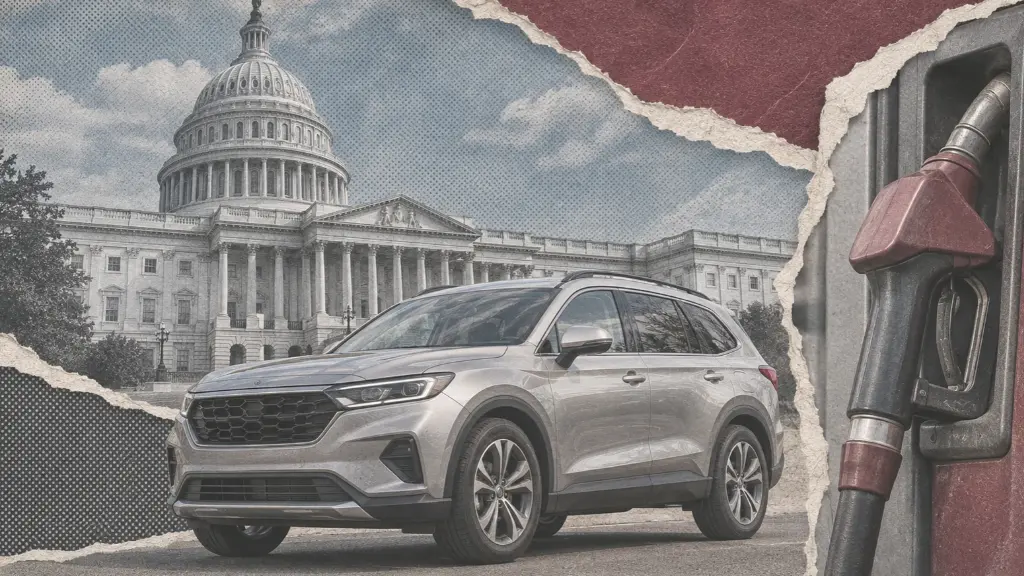
But look at what is replacing it. The Cybercab is a purpose-built robotaxi with no conventional driving controls. Tesla has already begun offering paid rides with a limited fleet in Austin, Texas, and Musk wants this vehicle to become a central part of the company’s autonomous transportation network. The National Highway Traffic Safety Administration opened an audit in September to examine Tesla’s self-certification that the Cybercab complies with federal vehicle safety standards, including requirements written around vehicles with traditional human controls.
Here’s something worth remembering: Musk has been talking about removing the steering wheel for years. During Tesla’s 2019 Autonomy Investor Day, he said consumers would eventually demand that people no longer be allowed to drive their own vehicles. He compared the transition to elevators, where human operators were replaced by automated systems. Musk presented this as a prediction of what consumers would want, not a policy he was prescribing. But think about what that prediction means for anyone who actually enjoys driving and believes owning a car should include the right to control it.
And Tesla isn’t alone. Waymo is expanding its robotaxi business, and the company recently acknowledged something that deserves far more attention. In its November 5 winter-weather update, Waymo said that when weather exceeds the conditions its technology has been validated to handle, it may reduce service areas or suspend rides entirely. Those interruptions can last hours or even days. The company is working to improve its winter capabilities, but it openly acknowledges that there are conditions when its service will not operate.
That’s not a minor inconvenience. Across America, people deal with snow, ice, freezing rain, flooding, hurricanes, dust storms and severe weather. Transportation doesn’t stop because a company’s autonomous fleet reaches its operating limits. And if you depend on a corporate fleet instead of a vehicle you own, the company makes the decision about when its service is available. You don’t get to grab the steering wheel and take another route.
Now let’s follow the money. Selling someone a vehicle is a transaction. Owning a fleet of robotaxis and charging people every time they need transportation creates the potential for recurring revenue. The company owns the vehicles, controls the software, determines the service area, sets the prices and collects the ride revenue. It may also collect valuable information about where people travel and how they use the service.
That is a very different business model from selling Americans cars they own and control. It doesn’t take a conspiracy to recognize the financial incentives. When a corporation owns the transportation and consumers rent access, the balance of control changes. And the more people depend on that service, the more influence the provider has over their mobility.
This is where the familiar phrase “you will own nothing and be happy” deserves a closer look. There is no evidence of one coordinated plan by every technology company to eliminate private vehicle ownership. But there is a growing business model built around subscriptions, shared fleets and recurring payments instead of individual ownership. Consumers should be asking whether these changes are expanding their choices or quietly making ownership less practical.
Tesla is also pushing into humanoid robots through its Optimus program, reinforcing Musk’s ambition to turn the company into an artificial intelligence and robotics business. The technology may eventually deliver useful products, but a demonstration is not the same as a commercially proven system. The same standard should apply to robotaxis. Show us the safety data, reliability, accountability and real-world performance before asking consumers to trust machines with their lives.
I am not against technology. I have spent my career working with vehicles, evaluating new technology and explaining what actually works. Better safety systems and useful automation can make driving better. But replacing the driver, removing the controls and shifting ownership to corporations is not simply another upgrade. It changes the relationship between people and their vehicles.
For generations, owning a car meant independence. You held the keys, chose your destination, took the road trip and decided when to leave. You didn’t need an app to approve your plans or a corporation to decide whether its fleet was operating that day. Driving is also something millions of Americans genuinely enjoy, and that freedom shouldn’t be dismissed as an outdated habit.
Tesla can build robotaxis, Waymo can expand its fleet and technology companies can sell whatever services consumers want to buy. But don’t confuse convenience with freedom, and don’t assume Americans want to surrender control simply because Silicon Valley says the future is driverless.
The question isn’t whether a robot can drive a car. The question is whether we’re willing to give up the right to drive our own.
Are you ready to hand over your car keys, your ownership and your independence? Because once somebody else controls the transportation you depend on, getting that freedom back may not be so easy.
Check out my full commentary on this story: https://youtu.be/w8qWOVOafw8
Looking for more automotive news? https://www.CarCoachReports.com
Listen and subscribe to The Drive with Lauren and Karl – https://www.youtube.com/@thedrivecarshow