On the Dash:
- Stellantis will reintroduce the V-8-powered Ram TRX in late 2026 with pricing above $100,000.
- The move reflects eased emissions regulations and a broader U.S. sales turnaround strategy.
- Ram and Jeep are central to Stellantis’ efforts to regain market share in a competitive, slowing market.
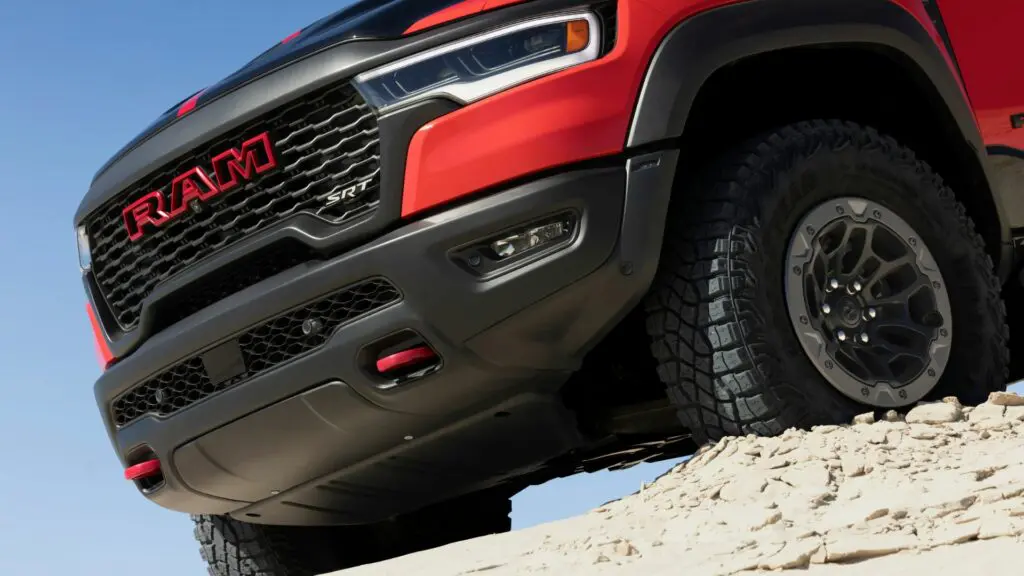
Stellantis is bringing back the V-8-powered Ram TRX pickup, reversing earlier powertrain plans as federal emissions rules ease and the company pushes to revive U.S. sales. The automaker announced that the 2027 Ram 1500 SRT TRX will return to showrooms in late 2026 with a starting price near $100,000.
The high-performance pickup was produced from 2021 through 2024 before being discontinued as Stellantis reduced its emphasis on V-8 engines. Its revival comes as regulatory pressure has softened under the Trump administration, giving automakers more flexibility to sell large, gas-powered vehicles.
The new TRX will feature a supercharged 6.2-liter Hellcat V-8 engine producing 777 horsepower and 680 foot-pounds of torque. Stellantis positions the truck as the most powerful production gas-powered pickup, with acceleration and performance figures aimed squarely at the premium off-road and performance segment.
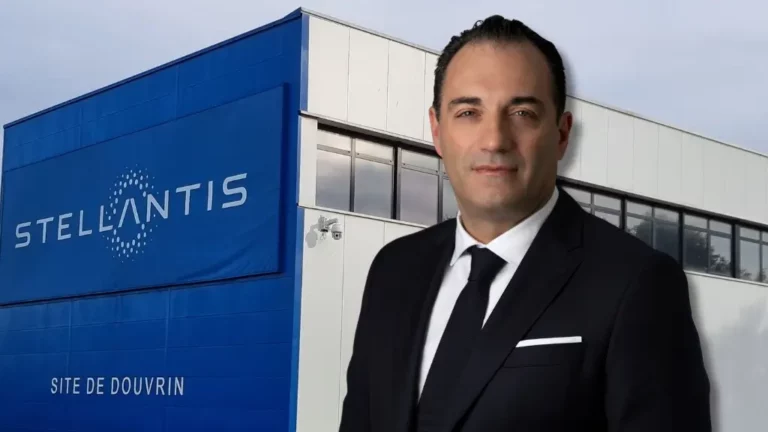
The TRX return is part of a broader turnaround strategy led by Ram CEO Tim Kuniskis, who resumed leadership of the brand about a year ago. Since then, Ram has announced a series of moves designed to rebuild momentum, including renewed motorsports involvement, a recommitment to Hemi V-8 engines, and the cancellation of a long-planned battery-electric Ram 1500.
Pricing reflects the truck’s halo status. The 2027 TRX will start at $99,995, excluding a required destination fee that brings the total to over $102,000. That is a significant increase from the original TRX launch price in 2020, underscoring its role as a low-volume, high-visibility model intended to lift brand perception and showroom traffic.
Stellantis also unveiled a new 6.7-liter Cummins high-output turbo diesel engine for the 2027 Ram Power Wagon heavy-duty truck, underscoring a renewed focus on internal combustion powertrains.
The strategy shift follows several difficult years for Stellantis in the U.S. market. Sales declined steadily from 2021 through 2024, dropping the company from fourth to sixth place among automakers. Industry forecasts indicate continued pressure, with U.S. sales expected to remain flat or decline in 2026, underscoring the need to win buyers from rival brands.
Jeep, Stellantis’ other core U.S. brand, is also undergoing a reset aimed at simplifying its lineup, adjusting pricing, and restoring growth after years of sales declines. Together, the Ram and Jeep overhauls represent Stellantis’ effort to stabilize its U.S. business amid shifting regulations and market demand.