On the Dash:
- Roughly 300 South Korean workers detained during a U.S. immigration raid at Hyundai and LG Energy Solution’s EV battery plant in Georgia are expected to return home on a chartered flight.
- The raid highlights tensions between U.S. immigration enforcement and foreign investment, raising concerns over visas, workforce planning, and the treatment of skilled foreign workers.
- Both U.S. and South Korean officials are negotiating the terms of departure and future visa arrangements, with discussions emphasizing the importance of maintaining bilateral investment and technical collaboration.
Hundreds of South Korean workers detained during a U.S. immigration raid at Hyundai Motor and LG Energy Solution’s electric vehicle battery plant in Georgia are expected to return home on a chartered flight Thursday, South Korean officials said.
The workers, primarily subcontractors at the $7.6 billion “Metaplant” manufacturing complex near Savannah, will be transported more than 250 miles from the ICE detention center in Folkston, Georgia, to Hartsfield-Jackson Atlanta International Airport. The flight follows roughly a week of detainment after the September 4 raid, which targeted individuals working in the United States without proper documentation.
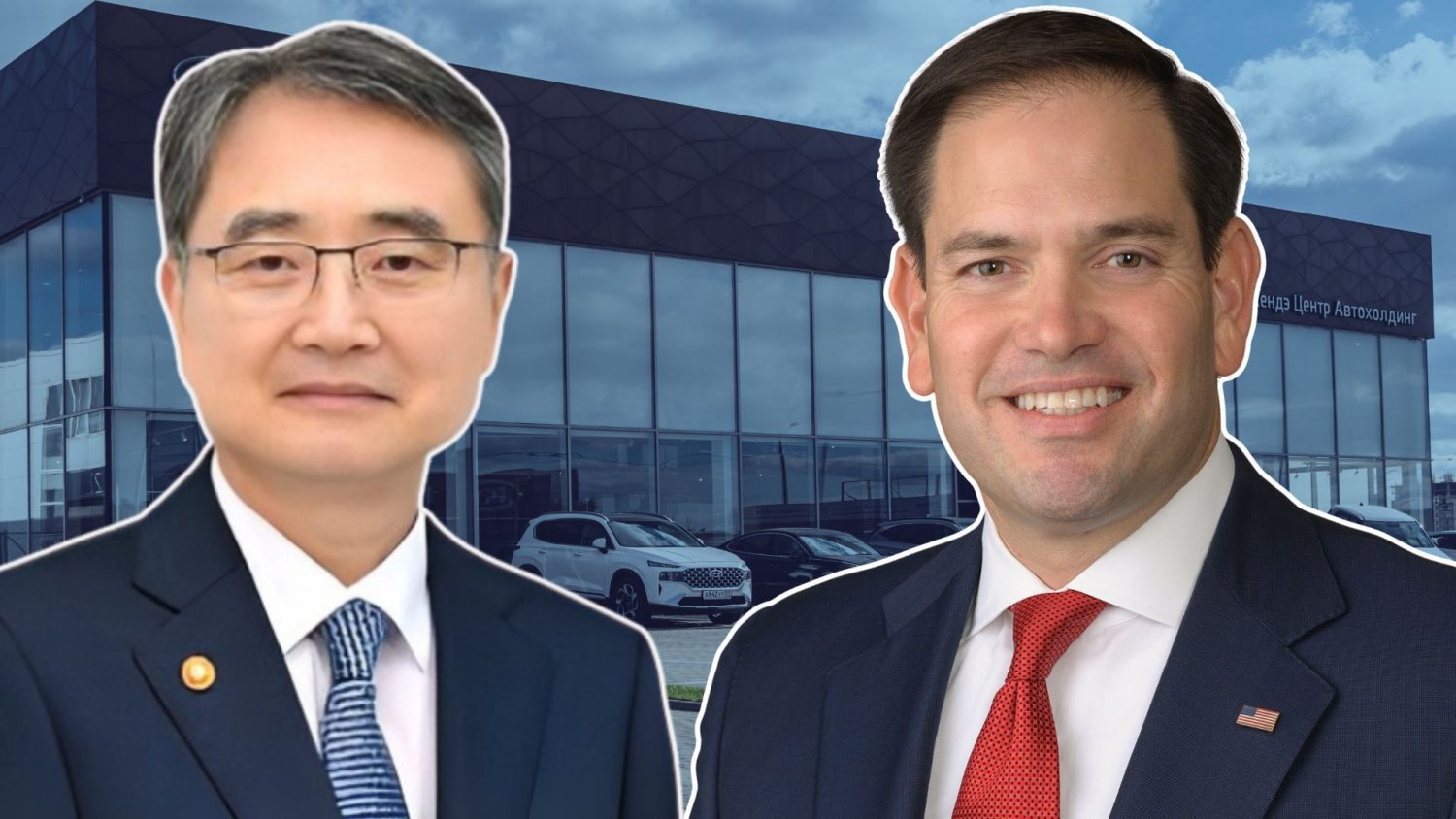
South Korean Foreign Minister Cho Hyun met with U.S. Secretary of State Marco Rubio on Wednesday to negotiate the terms of the workers’ return. South Korean officials stressed that they should allow the employees to leave voluntarily, without any restraints or risks to their future visits to the United States. Korean Air has scheduled a charter plane, which arrived in Atlanta earlier this week, to transport the workers back to Seoul.
U.S. authorities have not publicly specified which workers violated visa rules, though many were on B-1 temporary visas or visa-waiver programs for short-term training and supervisory work. Hyundai said none of the detainees were direct employees of the company, with most working for subcontractors at the plant.
The raid occurred shortly after South Korea pledged $150 billion in U.S. investments, including Hyundai’s $26 billion commitment. Analysts and government officials indicated the detentions could have broader implications for foreign investment in the United States, particularly for companies relying on highly skilled technical workers from abroad.
Experts note that foreign companies operating in the U.S. will need to ensure compliance with immigration and labor rules to prevent disruptions in production and investment. The raid has prompted companies to consider embedding more U.S. workers in their operations to reduce reliance on foreign specialists.
South Korean President Lee Jae Myung criticized the detentions as an unjust infringement on his nationals and pledged to work with the U.S. to prevent similar cases in the future. U.S. officials also emphasized that the administration supports foreign investment while expecting companies to hire and train American workers alongside foreign specialists.
The Hyundai-LG plant is part of what Georgia describes as its largest economic development project. Officials from both countries are reportedly discussing the creation of a special visa category and a joint working group to ensure smoother entry for skilled technical workers in the future.