TSLA358.970-6.47%
GM87.1601.545%
F13.850-0.12%
RIVN15.860-0.17%
CYD35.000-0.82%
HMC32.490-0.03%
TM197.560-0.64%
CVNA70.8651.705%
PAG217.1501.24%
LAD360.2702.25001%
AN205.5901.92%
GPI284.0105.74%
ABG208.9100.41%
SAH76.2900.39%
TSLA358.970-6.47%
GM87.1601.545%
F13.850-0.12%
RIVN15.860-0.17%
CYD35.000-0.82%
HMC32.490-0.03%
TM197.560-0.64%
CVNA70.8651.705%
PAG217.1501.24%
LAD360.2702.25001%
AN205.5901.92%
GPI284.0105.74%
ABG208.9100.41%
SAH76.2900.39%
TSLA358.970-6.47%
GM87.1601.545%
F13.850-0.12%
RIVN15.860-0.17%
CYD35.000-0.82%
HMC32.490-0.03%
TM197.560-0.64%
CVNA70.8651.705%
PAG217.1501.24%
LAD360.2702.25001%
AN205.5901.92%
GPI284.0105.74%
ABG208.9100.41%
SAH76.2900.39%

Rivian secures direct-sales win in Washington

The new law allows Rivian and Lucid to sell directly to consumers, highlighting growing pressure on traditional franchise systems.

Rivian secures direct-sales win in Washington

On the Dash:

  • Washington’s law allows Rivian and Lucid direct sales, signaling potential pressure on franchise protections.
  • Rivian’s nearly $5 million ballot push, with up to $25 million planned, forced a legislative compromise.
  • Nearly 70% consumer support direct sales, highlighting shifting buyer expectations in EV retail.

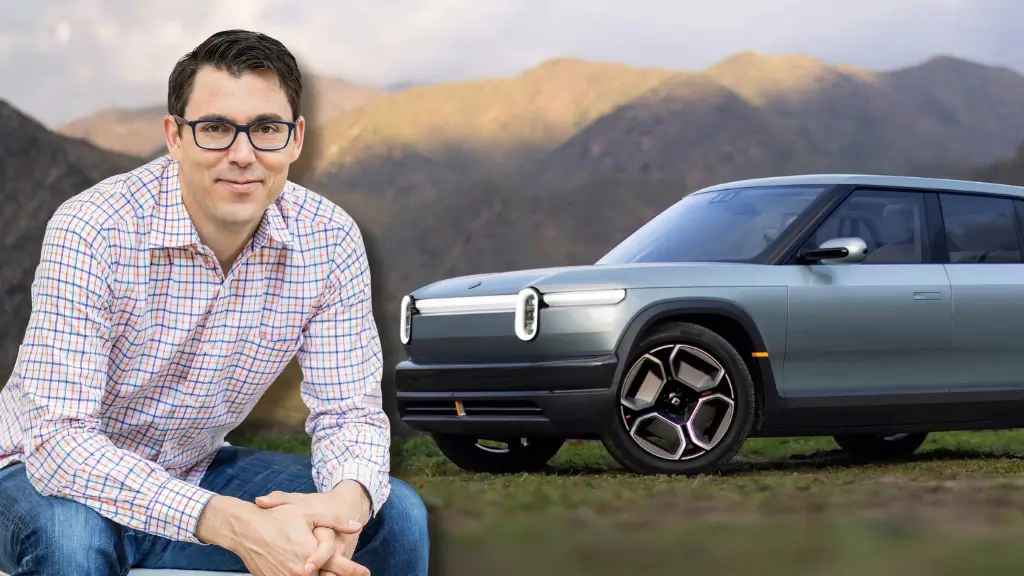
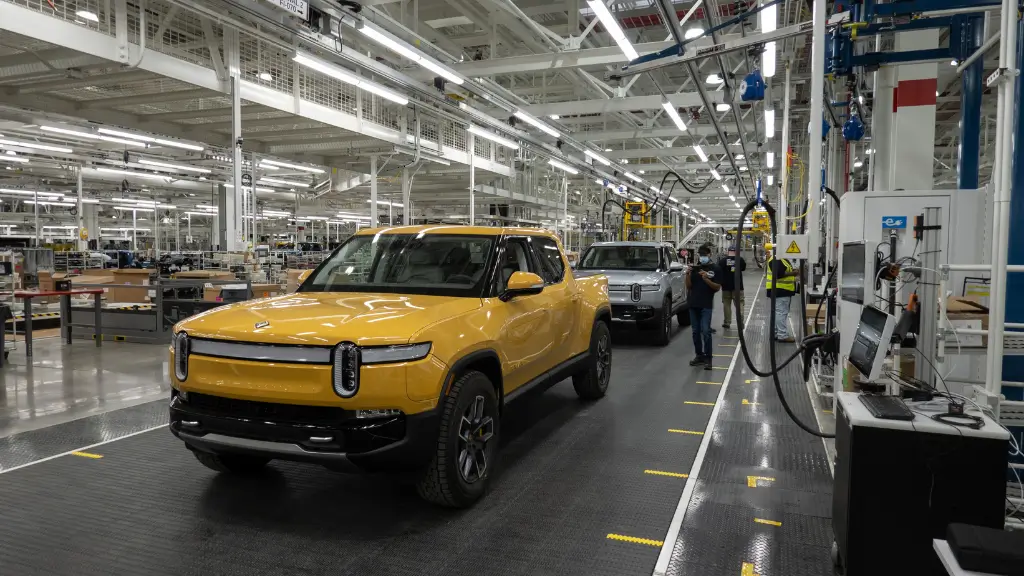
Electric-vehicle startup Rivian has secured an influential policy win in Washington state, gaining the ability to sell vehicles directly to consumers after a prolonged battle with dealer groups. The measure, signed this month, applies specifically to Rivian and Lucid and follows years of resistance rooted in franchise laws requiring automakers to sell through independent dealers.

The breakthrough came after Rivian signaled it would take the issue to voters through a ballot initiative, a move that carried an estimated cost of nearly $5 million, with the company prepared to spend an additional $25 million. Faced with that prospect, the state’s dealer lobby dropped its opposition and supported the legislative compromise.

Sign up for CBT News’ daily newsletter and get the latest industry stories delivered straight to your inbox.

Rivian’s internal polling showed that nearly 70% of respondents favored allowing manufacturers to sell vehicles directly to consumers. But, slightly fewer supported a model limited specifically to EV makers. Lawmakers ultimately approved a narrow exception, maintaining broader franchise protections while granting Rivian and Lucid direct-sales rights.

The decision arrives as Rivian works to expand its retail and profitability strategy. The company currently operates under a patchwork of state laws, with direct sales permitted in roughly half of U.S. states, though some impose limits on the number of locations. In states with restrictions, Rivian retail locations can showcase vehicles like the R1S SUV and R1T pickup, but cannot complete transactions or disclose pricing in-store.

The Washington outcome could influence similar efforts in other states, particularly those that allow ballot initiatives, including Arkansas, Ohio, Oklahoma, Montana, Nebraska, and South Dakota. Meanwhile, franchise laws in more than a dozen states continue to prohibit direct sales entirely.

Traditional automakers and dealer groups have pushed back against the Washington measure, arguing it creates an uneven playing field and could open the door to additional exceptions. Dealer advocates maintain that the franchise system supports competition, affordability, and local economic stability.

Lawmakers described the compromise as a balance between expanding consumer choice and preserving the existing dealership model, which remains a cornerstone of the U.S. auto retail system.
More from EVs & Technology
DGDG bets on its people and affordable inventory

DGDG bets on its people and affordable inventory

- September 14, 2026
For Del Grande Dealer Group (DGDG), navigating an uneven market starts with the parts of the business it can control. CEO Jeremy Beaver joins us on today’s CBT Live segment...
GM targets 2029 for domestic sodium-ion battery production

GM targets 2029 for domestic sodium-ion battery production

- September 14, 2026
On the Dash: GM expects commercial production of sodium-ion battery cells with Peak Energy around 2029, initially targeting energy storage systems. The automaker is investing $900 million in new battery...
Greg Uland explains the role of AI agents in modern dealerships

Greg Uland explains the role of AI agents in modern dealerships

- September 11, 2026
The next major dealership efficiency gains may not come from adding more people, but from using the people and technology dealers already have better. That was one of the key...
hydrogen vehicles

What hydrogen vehicles could mean for car dealerships in the next decade

- September 10, 2026
The automotive industry is currently focused on electric vehicles. However, hydrogen fuel cell cars are also emerging, providing a viable alternative in the market. Many forward-thinking dealers are making way...
CBT News
Privacy Overview

This website uses cookies so that we can provide you with the best user experience possible. Cookie information is stored in your browser and performs functions such as recognising you when you return to our website and helping our team to understand which sections of the website you find most interesting and useful.