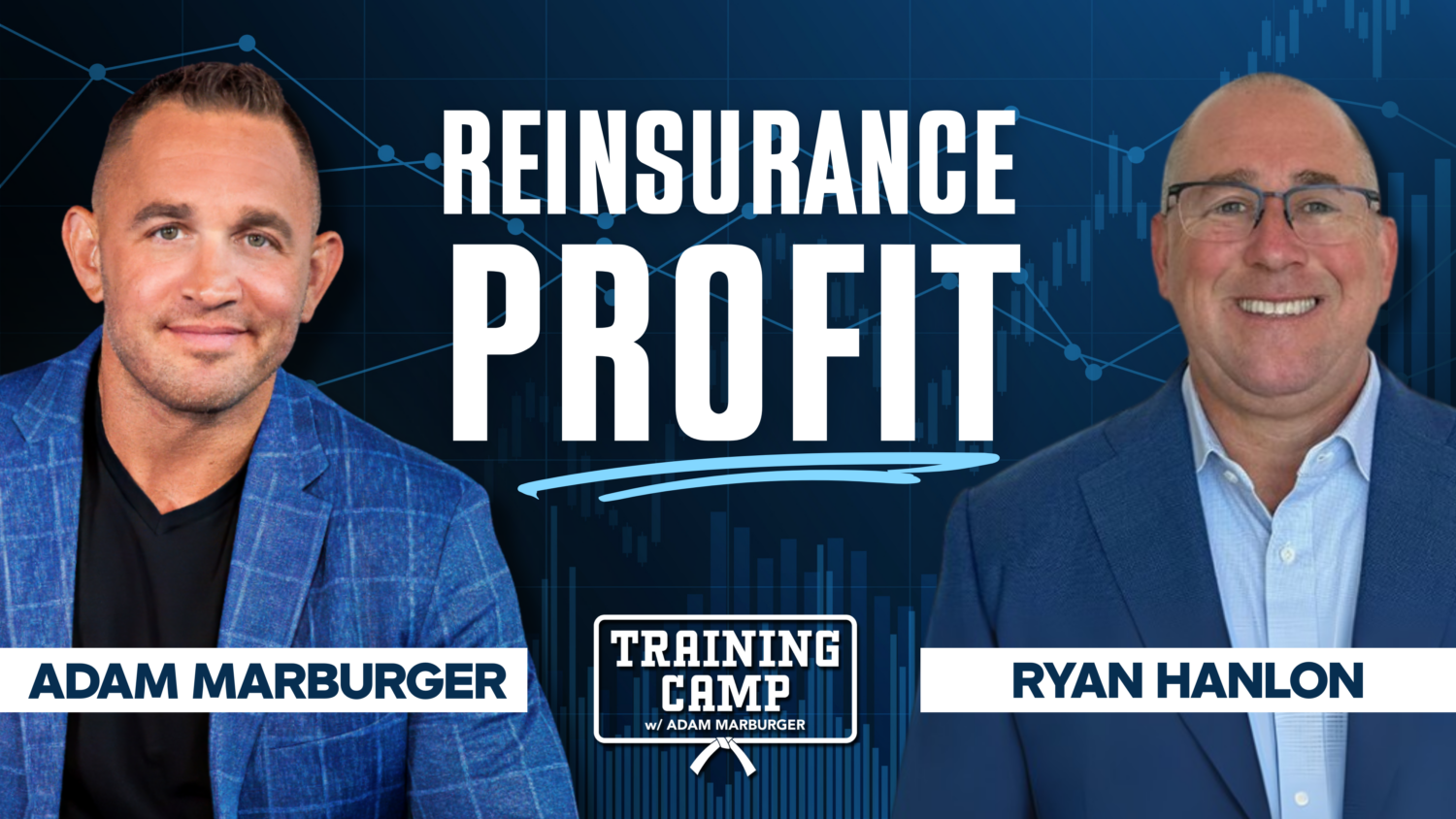
Dealers looking to maximize cash flow and long-term profitability cannot rely on one-size-fits-all reinsurance solutions. In today’s episode of Training Camp, Ryan Hanlon, reinsurance expert and chief sales officer at Portfolio, unpacks why dealers must focus on tailored reinsurance structures, investment strategies, and monitoring loss ratios to maximize cash flow and growth.
“One size doesn’t fit all, and we as professionals have a responsibility to really keep our focus on 'How do we serve the dealer and what's best for them?'"
Each dealership has unique needs, and programs must be designed to match the ownership structures, investment preferences, and risk tolerance of each. The first step in building an effective reinsurance program is understanding the dealer’s objectives, cash flow requirements, and investment philosophy. Key considerations include the frequency of funding, investment policy statements, the entity managing the money, and potential tax implications. Hanlon stresses that dealers should never treat their reinsurance company as a generic commodity or hand it over to someone just because of familiarity. The focus must be on creating a program that aligns with the dealer’s goals while remaining cost-effective and compliant.
An investment strategy plays a crucial role in achieving long-term success. Hanlon highlights that the differences between programs can compound significantly over time. A dealer using a truly invested strategy with up to 50% of unearned premium actively managed may earn hundreds of thousands more in investment income over a five- to six-year contract compared to a more passive program. Access to cash through loans from unearned premiums allows dealers to finance expansions, facility upgrades, or acquisitions in a tax-efficient manner, effectively turning the dealership into its own bank.
Hanlon also provides practical guidance on which products dealers should and should not reinsure. He advises caution with glass coverage due to the rising severity of claims and ADAS calibration costs, and with GAP coverage unless it is firewalled in a separate trust. The largest source of premiums remains vehicle service contracts, but dealers must closely monitor loss cost trends. Hanlon points out that the past five years have brought more change in loss severity and frequency than the previous 15 years combined, driven by inflation, labor increases, part shortages, and the introduction of complex new vehicle systems. Dealers should closely monitor their last 12- and 24-month loss ratios to avoid surprises.
For product strategy, Hanlon recommends focusing on a core base including service contracts, GAP, and prepaid maintenance for retention purposes. Lease customers benefit from lease wear-and-tear coverage, while other add-on products can be selectively included based on enthusiasm and dealer expertise. Ultimately, dealers require proactive administrators who regularly review reserves and provide guidance on necessary adjustments.