TSLA393.450-31.85%
GM76.0000.48%
F13.350-0.29%
RIVN18.6301.45%
CYD43.390-2.9%
HMC28.0200.76%
TM174.5904.93%
CVNA68.5900.72%
PAG179.4202.34%
LAD306.23015.93%
AN186.4102.08%
GPI288.3901.79%
ABG205.4007.38%
SAH83.7300.68%
TSLA393.450-31.85%
GM76.0000.48%
F13.350-0.29%
RIVN18.6301.45%
CYD43.390-2.9%
HMC28.0200.76%
TM174.5904.93%
CVNA68.5900.72%
PAG179.4202.34%
LAD306.23015.93%
AN186.4102.08%
GPI288.3901.79%
ABG205.4007.38%
SAH83.7300.68%
TSLA393.450-31.85%
GM76.0000.48%
F13.350-0.29%
RIVN18.6301.45%
CYD43.390-2.9%
HMC28.0200.76%
TM174.5904.93%
CVNA68.5900.72%
PAG179.4202.34%
LAD306.23015.93%
AN186.4102.08%
GPI288.3901.79%
ABG205.4007.38%
SAH83.7300.68%

Nissan recalls nearly 24,000 Leaf EVs due to fire risk during DC fast charging

The 2019 and 2020 Leaf model owners will be notified of the recall starting September 20.
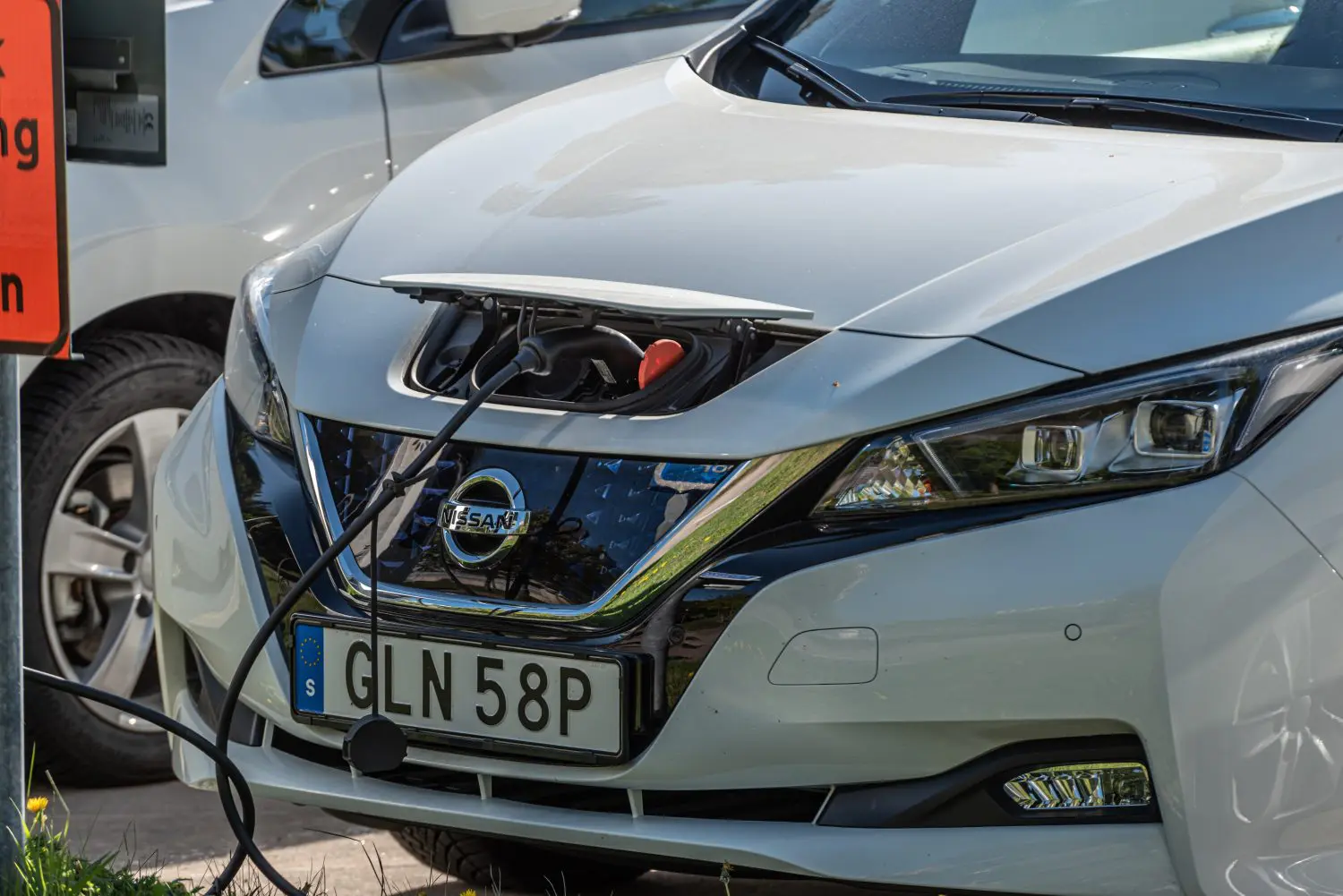
Nissan is recalling 23,887 Leaf EVs due to a fire risk when using DC fast chargers, affecting models from August 2018 & November 2020

Nissan is recalling 23,887 Leaf electric vehicles (EVs) in the U.S. due to a fire risk when using DC fast chargers. The recall affects models manufactured between August 29, 2018, and November 3, 2020, at Nissan’s Smyrna, Tennessee plant. The issue arises when the high-voltage battery packs in these vehicles overheat during Level 3 fast charging, with no visible or audible warnings to alert drivers.

The National Highway Traffic Safety Administration (NHTSA) stated that if the battery overheats during a fast-charging session, it could catch fire, significantly increasing the risk of injury. Currently, Nissan has not identified a definitive fix or the exact cause of the overheating. However, preliminary investigations suggest that lithium-ion batteries in the affected vehicles may develop excessive lithium deposits within the cells, increasing electrical resistance during charging and potentially causing dangerous fluctuations in the battery’s state of charge.

Nissan is actively working on a software solution to prevent the overheating issue. Although the Leaf lacks an actively cooled battery pack, the automaker expects to roll out the free software update by November. The 2019 and 2020 Leaf model owners were notified of the recall on September 20, with a recommendation to avoid using Level 3 fast chargers until the fix is implemented. The recall affects both 40- and 62-kilowatt-hour battery packs, but all impacted units remain under warranty.

The Nissan Leaf, equipped with both AC and DC charging ports, has been on the market for over seven years in its current form and features bi-directional charging capabilities. However, despite these innovations, Leaf sales remain modest, with just 4,514 units sold in the U.S. during the third quarter of 2024.


Read More
More from Articles
EV

Ford Q2 sales fall 10.3% as EVs and F-Series weigh on results

- July 3, 2026
On the Dash: Ford sold 549,200 vehicles in Q2, down 10.3% year-over-year, slightly better than Cox Automotive's projection of an 11.5% decline. Pure EV sales fell 40.7%, while F-Series sales...

Ram and Pacifica drive Stellantis to fourth straight quarter of U.S. sales growth

- July 3, 2026
On the Dash: Stellantis sold 328,284 vehicles in Q2 2026, up 6% year-over-year, and 634,345 in the first half, up 5%. Ram total pickup sales rose 14% in the quarter,...
BMW completes $1.7 billion South Carolina investment, unveils new X5

BMW completes $1.7 billion South Carolina investment, unveils new X5

- July 3, 2026
On the Dash: BMW completed a $1.7 billion investment in Plant Spartanburg and the new Plant Woodruff. The X5 debuts as BMW's first U.S.-built fully electric model, production starting late...
Fourth of July weekend brings big incentives and offers from automakers

Incentives and offers blast off this Fourth of July holiday weekend

- July 3, 2026
The Fourth of July is a busy time for dealers. The holiday gives shoppers more time to look for their next car. Automakers are hoping to hit mid-year sales. And...
CBT News
Privacy Overview

This website uses cookies so that we can provide you with the best user experience possible. Cookie information is stored in your browser and performs functions such as recognising you when you return to our website and helping our team to understand which sections of the website you find most interesting and useful.