
TSLA354.720-7.72%
GM83.9600.3%
F12.4300.12%
RIVN12.420-0.6%
CYD26.020-0.33%
HMC34.2800.22%
TM194.6102.67%
CVNA58.830-1.7899%
PAG212.4200.42%
LAD295.140-0.17%
AN161.7301.93%
GPI242.2202.42%
ABG170.0500.18%
SAH63.6100.1%
TSLA354.720-7.72%
GM83.9600.3%
F12.4300.12%
RIVN12.420-0.6%
CYD26.020-0.33%
HMC34.2800.22%
TM194.6102.67%
CVNA58.830-1.7899%
PAG212.4200.42%
LAD295.140-0.17%
AN161.7301.93%
GPI242.2202.42%
ABG170.0500.18%
SAH63.6100.1%
TSLA354.720-7.72%
GM83.9600.3%
F12.4300.12%
RIVN12.420-0.6%
CYD26.020-0.33%
HMC34.2800.22%
TM194.6102.67%
CVNA58.830-1.7899%
PAG212.4200.42%
LAD295.140-0.17%
AN161.7301.93%
GPI242.2202.42%
ABG170.0500.18%
SAH63.6100.1%

New vehicle affordability hits highest point in 2.5 years—prices, rates decline

New car affordability improved in February thanks to income growth, price declines, lower interest rates, and healthy demand
New car affordability improved in February thanks to income growth, price declines, lower interest rates, and healthy demand.

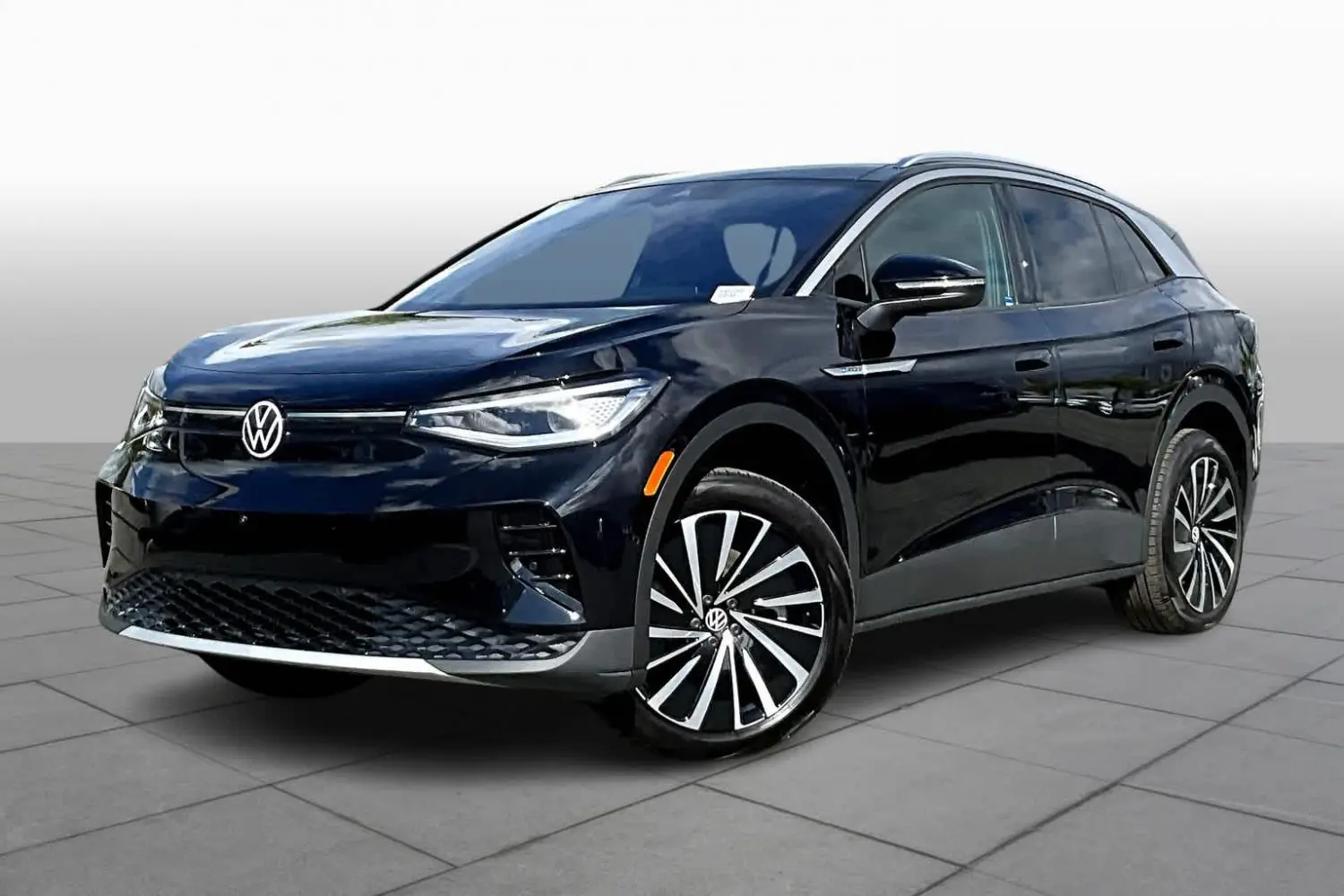
New vehicle affordability improved marginally in February as prices and interest rates declined and income growth continued, reflecting the car market’s slow but steady shift toward consumer-friendly conditions.

According to Cox Automotive, affordability improved on multiple fronts last month, repeating patterns observed in January. Monthly payments dropped 0.7%, from $749 to $744, while the number of weeks needed to buy a new vehicle dropped 0.8% month-over-month to 37.1 weeks. The typical payment observed in February was down 6.4% from the peak of $795 observed in late 2022. Average transaction prices dropped 0.1% in February from January and were down 2.2% from early 2023. Electric vehicles saw greater than average price declines, dropping 13% year-over-year.

New vehicle loan interest rates also declined in February. The average rate was 10.15%, down slightly from 10.28% the previous month. Although rates were lower in 2023, affordability was still higher this year due to the decline in prices and an increase in manufacturer incentives.

These factors and a 0.3% increase in the median income resulted in the most affordable car market seen since July 2021. They also led to an upsurge in sales. The seasonally adjusted annual rate jumped from 15 million in January to 15.8 million in February. Improvements in affordability can thus be tied to greater demand for new vehicles, even as inventory counts dropped heading into March.

While dealers’ concerns that improvements in affordability will hurt profit margins are warranted, consumer-friendly conditions lead to higher retention rates and allow more buyers to participate in the market. Furthermore, new vehicle prices still remain well above pre-pandemic averages; while they are likely to decline further in the coming months, the speed of change remains slow, giving dealers the opportunity to transition toward a pro-buyer market at a reasonable pace.

Read More
More from Articles
GM CEO Mary Barra tells CNBC’s Mad Money that eyes-off driving is on track for 2028

GM CEO Mary Barra tells CNBC’s Mad Money that eyes-off driving is on track for 2028

- October 16, 2026
On the Dash: GM eyes-off driving is on track for 2028, CEO Mary Barra told CNBC’s Mad Money. Barra said GM is focused on personal vehicles after exiting the Cruise...
Slate Auto opens first showroom where shoppers can test drive its $24,950 electric pickup

Slate Auto opens first showroom for its $24,950 electric pickup

- October 16, 2026
On the Dash: Slate electric pickup test drives are now available at its first Experience Center in Chicago. The center shows the truck’s size, interior space, build quality and available...
China in your car? Why your vehicle is a national security risk

China in your car? Why your vehicle is a national security risk

- October 16, 2026
What if the next national-security threat isn’t coming through your front door, but through your driveway? Your car can collect sensitive data, communicate with outside networks, and rely on software...
Penske Automotive to go private in $16.3 billion deal

Penske Automotive to go private in $16.3 billion deal

- October 16, 2026
On the Dash: Penske Automotive is going private at a $16.3 billion enterprise value. Shareholders will receive $212 per share in cash, an 8.84% premium to Wednesday’s close. Closing is...
CBT News
Privacy Overview

This website uses cookies so that we can provide you with the best user experience possible. Cookie information is stored in your browser and performs functions such as recognising you when you return to our website and helping our team to understand which sections of the website you find most interesting and useful.