On the Dash:
- Hyundai’s union voted overwhelmingly to authorize a strike, though the union must still decide whether to actually walk out.
- Workers are demanding a $108 monthly base pay raise and a bonus equal to 30% of last year’s net profit.
- A new South Korean labor law and the push to deploy humanoid robots are reshaping the stakes of this year’s negotiations.
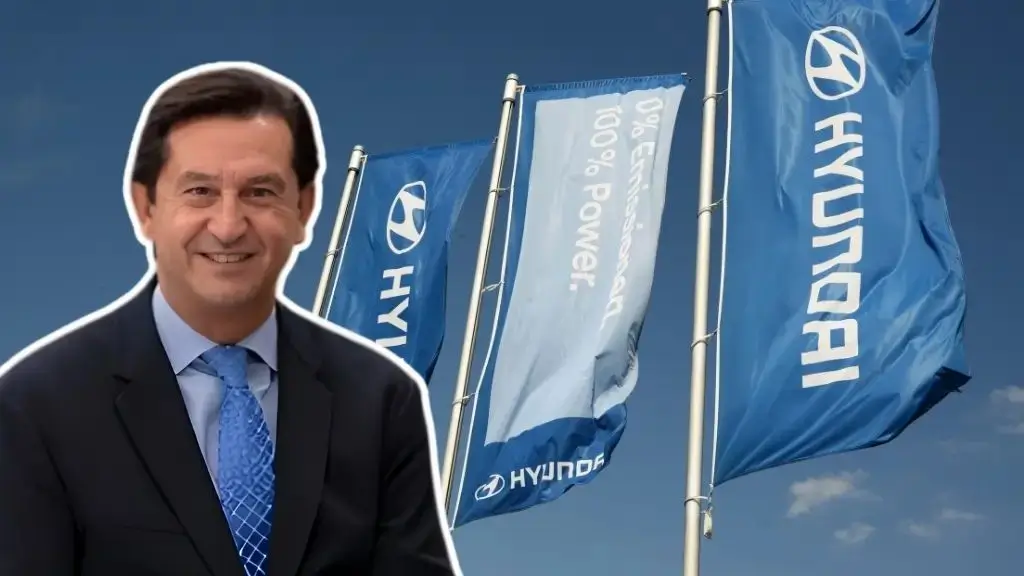
Hyundai Motor’s labor union in South Korea voted Wednesday to authorize a strike after 11 rounds of wage negotiations failed to reach an agreement, raising the possibility of production disruptions at the automaker’s domestic plants.
Approximately 39,668 union members participated in the vote, and 92.03% of them approved the strike authorization, according to the Korea Herald. This result gives union leadership the legal authority to call a strike, though it does not guarantee that one will happen. The union’s Central Strike Committee will still need to decide whether and when to strike. It’s worth noting that authorization votes at Hyundai have consistently passed every year without fail.
Union demands
The union is currently seeking:
- A monthly base pay increase of roughly $96.82 (149,600 won)
- A bonus equal to 30% of Hyundai’s net profit from the previous year
- Workers are also pushing for job and working-condition guarantees tied to Hyundai’s growing use of artificial intelligence and robotics, including the planned deployment of Atlas humanoid robots.
- Additional demands include extending the retirement age from 60 to 65 and reducing working hours without increasing workload.
Hyundai management has called the base pay and bonus demands excessive and says any change to the retirement age should wait until related legislation takes effect.
The union’s push for a profit-sharing bonus gained new legal footing after South Korea’s so-called Yellow Envelope Act took effect in March. The law expanded the definition of valid labor disputes to include business decisions that affect working conditions, giving unions a stronger basis to argue that profit distribution is negotiable. However, some labor law experts dispute that interpretation, arguing that profit allocation remains a management and shareholder decision.
Hyundai’s labor talks come as the company faces a 19.5% drop in operating profit and a 15% U.S. tariff on its vehicles, despite posting record revenue of 186 trillion won last year. Nonetheless, the outcome of Hyundai’s negotiations could shape labor talks across South Korea’s broader manufacturing sector.