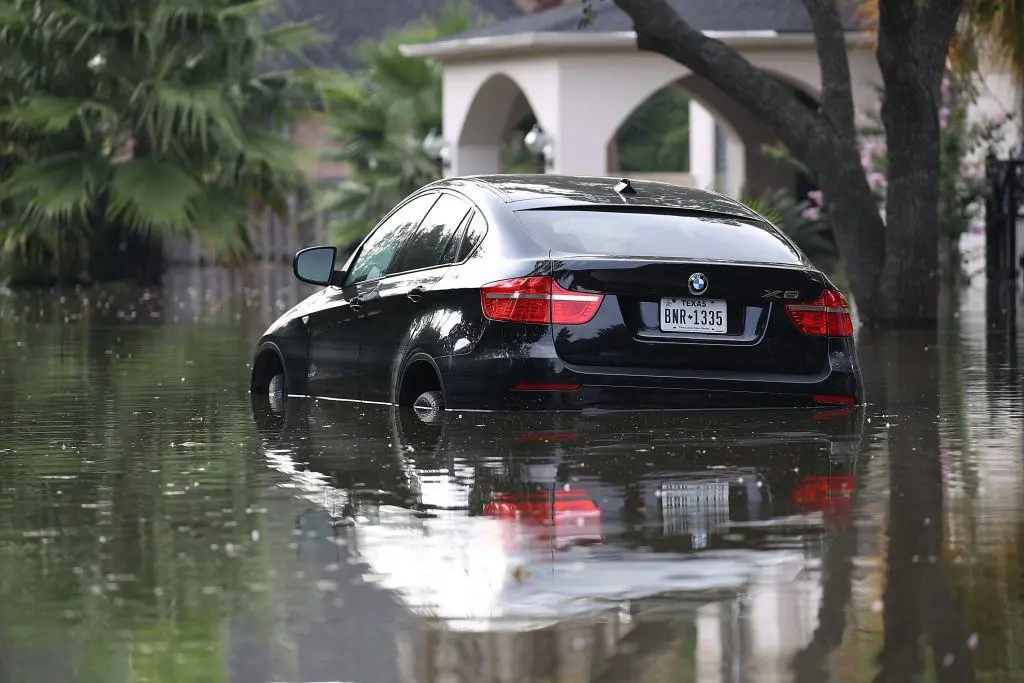
The National Insurance Crime Bureau has reported that Hurricane Harvey is responsible for nearly 270,000 vehicle insurance claims. Nearly 70,000 more were caused by Hurricane Irma. These vehicles are starting to show up at salvage auctions all across the country.
If you buy from a salvage auction, you can rest assured that the vehicles have been subject to some sort of severe trauma. The real worry, however, does not involve the vehicles that have damage openly disclosed. The real worry comes from the vehicles that slip through the cracks, either by accident, or by unscrupulous sellers. Just as with other hurricanes in recent years, you must be diligent to avoid unwittingly buying flood damaged vehicles.
If you are buying remotely, this can be more difficult. It becomes imperative that you have “boots on the ground” at any auction you intend to buy from. You must inspect every vehicle for tell-tale signs of flood damage. Don’t assume that your auction location would preclude you from finding a flood-damaged vehicle. Within a matter of weeks, these cars will be relocated all over the country.
Here are some signs to look for that will betray any flood-damaged vehicle for what it is.
- Vehicle History Report
Checking a vehicle history report is pretty much automatic in this day and age, but it is imperative if you are worried about hurricane damage. The first thing to check would be the location of the previous owner. If the vehicle appears to have come from the areas affected by hurricanes, you will want to be ware. You will also want to look for any other indications on the report that may indicate hurricane damage, such as a mysterious recent repair.
- That Smell
It’s hard to hide the smell of musty carpets. Any vehicle that has been submerged in water could take weeks to fully dry out. In that time, the interior will start to smell like dirty socks, and it will only get worse with heat and time. Beware any vehicle that looks to have brand new carpet and/or upholstery (or new compared to the age of the vehicle), as this can be a sign of a band-aid fix.
- Mud and Debris
Mud and other debris inside the vehicle, or caked inside door frames, fenders, or other tight spots is another sign of possible hurricane damage. If you cannot explain the presence of mud or debris by normal driving behavior, then it would be best to steer clear of that vehicle.
- Water Lines
After a hurricane, vehicles that have been stranded in water can be there for several days or weeks. Just like on your bathtub or toilet, water lines can develop on any vehicle that has spent time partially submerged. Take particular note of lines along headlights and taillights as these lenses are particularly susceptible to water lines, but lines can also form in the paint.
- Rust
While rust by itself is not necessarily an indicator of hurricane damage, rust in unusual places should be examined further. Check inside the trunk, and under the dash. If screws, bolts, or other exposed metal show signs of rust, then it is possible the vehicle has been submerged. If you see significant rust in these areas, chances are you will find some of the other indicators discussed in this article as well
After a hurricane, not only do flood-damaged vehicles start showing up, but you need to be aware of parts as well. Be careful of any used parts you purchase, and be on the lookout for vehicles that have been repaired with flood damaged parts. Some hard items like fenders and wheels will not matter, but sensitive electrical or transmission could be troublesome if they have been submerged.
Unfortunately, we all will have to be hyper-vigilant in the coming months in order to protect ourselves from vehicles that have slipped through the cracks.