

Honda is backing away from its aggressive electric vehicle (EV) ambitions, citing a cooling U.S. market and growing global uncertainty. On May 20, the Japanese automaker announced it would no longer pursue its goal of having EVs account for 30% of global vehicle sales by 2030, and would reduce planned investment in electrification by $21 billion.
Instead of spending 10 trillion yen ($69 billion) through fiscal year 2031, Honda will now invest 7 trillion yen ($48 billion) to support a more tempered rollout, placing greater emphasis on hybrid models in the near term.
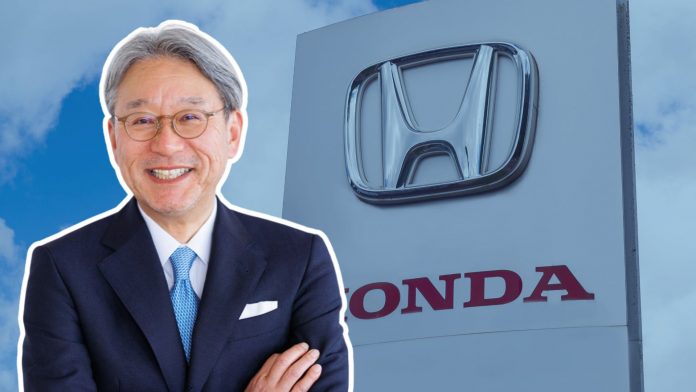
“This is a switch in the planned course,” said Honda CEO Toshihiro Mibe at a Tokyo news conference on May 20, 2025. “But our long-term direction toward electrification remains unchanged.”
While Mibe did not mention U.S. President Donald Trump, Honda acknowledged that the shift is partly due to new tariff policies and a lack of regulatory clarity under the Trump administration, which has shown little support for electric vehicles.
As part of the revised strategy, Honda will shift more aggressively toward hybrid production and update its manufacturing facilities accordingly. Its auto plant in Marysville, Ohio, will be retooled to produce both EVs and hybrids under the new plan. The company is also doubling down on its core strength in motorcycles, where sales continue to grow in India and global market share remains on the rise. In parallel, Honda is investing in advanced safety technologies and digital systems, including driver-assist tools aimed at achieving zero traffic fatalities—a long-standing company goal.
Nevertheless, discussions with Nissan and Mitsubishi over a possible merger fell apart earlier this year, though Mibe said the three companies remain in talks about collaborating on future technology development. Yet, no timeline was given for a potential deal.