
TSLA390.387-0.4532%
GM88.030-0.87%
F12.045-0.205%
RIVN13.020-0.52%
CYD20.780-1.05%
HMC33.8650.515%
TM211.910-1.09%
CVNA72.100-1.77%
PAG213.620-0.61%
LAD308.460-3.79%
AN185.230-1.98%
GPI267.420-2.85%
ABG204.660-3.28%
SAH61.720-1.51%
TSLA390.387-0.4532%
GM88.030-0.87%
F12.045-0.205%
RIVN13.020-0.52%
CYD20.780-1.05%
HMC33.8650.515%
TM211.910-1.09%
CVNA72.100-1.77%
PAG213.620-0.61%
LAD308.460-3.79%
AN185.230-1.98%
GPI267.420-2.85%
ABG204.660-3.28%
SAH61.720-1.51%
TSLA390.387-0.4532%
GM88.030-0.87%
F12.045-0.205%
RIVN13.020-0.52%
CYD20.780-1.05%
HMC33.8650.515%
TM211.910-1.09%
CVNA72.100-1.77%
PAG213.620-0.61%
LAD308.460-3.79%
AN185.230-1.98%
GPI267.420-2.85%
ABG204.660-3.28%
SAH61.720-1.51%

Honda, Nissan officially end merger talks, shift focus toward strategic ‘partnership’

Despite the unsuccessful merger, the two automakers will concentrate on sharing resources in areas such as EV technology and smart driving systems.
Honda and Nissan ended the merger talks but will continue to collaborate on electric and intelligent vehicle development.

Honda and Nissan confirmed they will no longer pursue a merger but will continue collaborating through a “strategic partnership” focused on electric and intelligent vehicle development.

The two Japanese automakers signed an official memorandum of understanding (MOU) in late December, with talks set to conclude by June 2025. If successful, the $60 billion merger would create the world’s third-largest auto group by sales volume.

Sign up for CBT News’ daily newsletter and get the latest industry stories delivered straight to your inbox.

The merger would be highly beneficial to both automakers, notably Nissan, which was experiencing a downturn in sales and revealed in November that it would cut 9,000 jobs and 20% of its global production capacity.

Despite the initial optimism, disagreements between the companies–particularly over governance and control–ultimately led to the conclusion of the talks.

In early February, a report from Japan’s Nikkei, indicated that Nissan executives were likely to withdraw from the discussions, citing internal leadership clashes. Honda had proposed a structure in which it would serve as the parent company, making Nissan a subsidiary through a share exchange. Additionally, Honda, as the larger automaker, would hold the majority of board seats. Nissan rejected the proposal, which was opposed to the idea of relinquishing a significant amount of control. Executives were also wary of Honda’s insistence on workforce reductions, further complicating the merger’s chances of success.

On Thursday, after board discussions, both companies officially voted to terminate the merger. Following the announcement, Honda’s shares rose by 2.14%, while Nissan’s stock slipped by 0.34%, reflecting investor sentiment over the failed deal.

Although the merger is off the table, the companies will continue collaborating. Their renewed focus on a strategic partnership will likely see them sharing resources in areas like electric vehicle technology and intelligent driving systems.


Read More
More from Articles
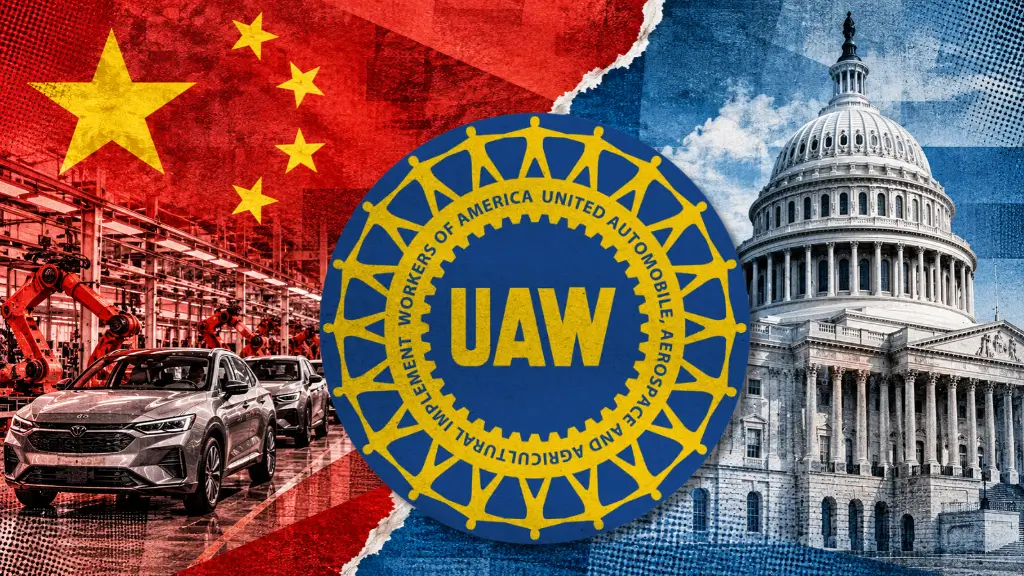
UAW urges Congress to keep watching Chinese automakers

UAW urges Congress to keep watching Chinese automakers

- November 12, 2026
On the Dash: Chinese automakers remain a UAW priority as it urges Congress to keep the House China committee. A permanent Chinese auto ban could see a Senate vote as...
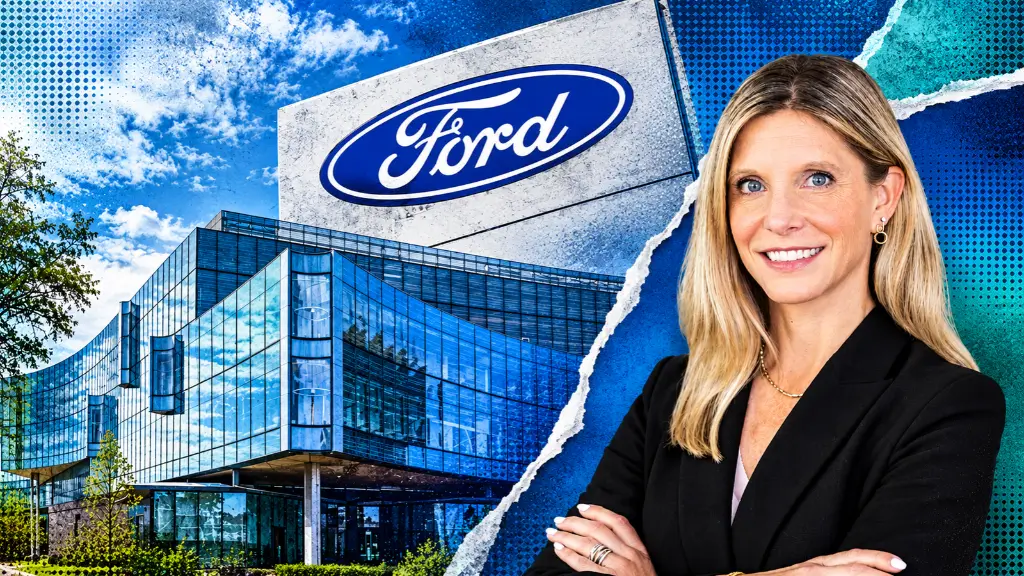
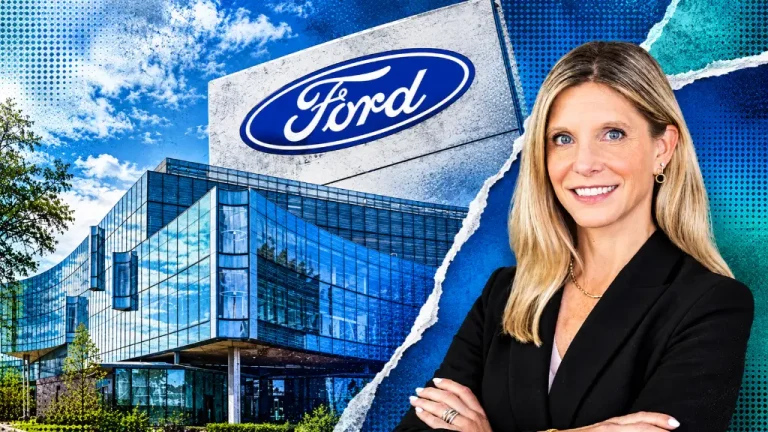
Ford hires former GM North America president Marissa West to lead vehicle programs

Ford hires former GM North America president Marissa West to lead vehicle programs

- November 12, 2026
On the Dash: Marissa West, former GM North America president, joins Ford to lead vehicle programs Nov. 16. West will oversee vehicle development and program execution as Ford refreshes 70%...
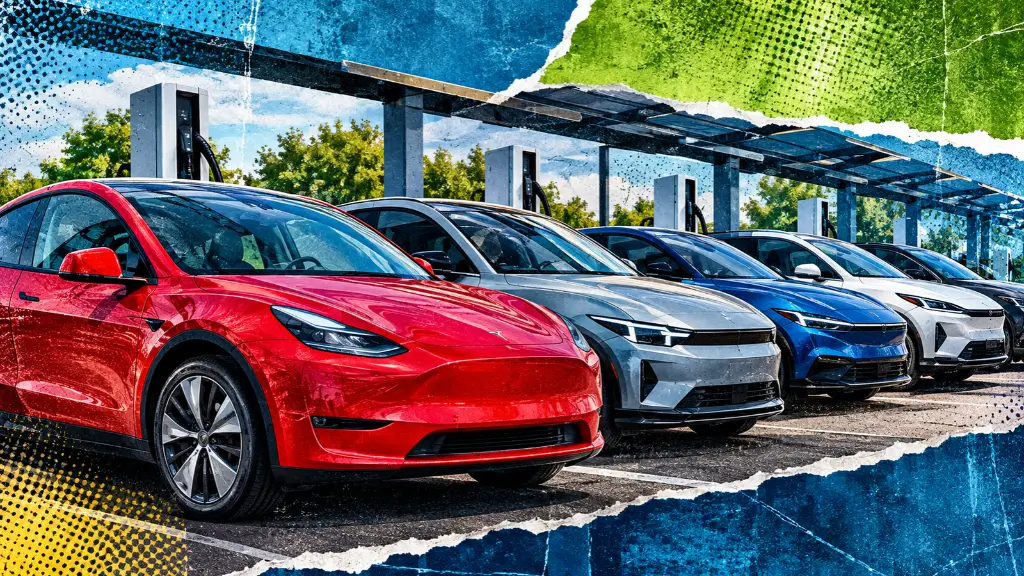
Global EV sales rise 8% in October, U.S. EV market lags behind

Global EV sales rise 8% in October, U.S. market stabilizes

- November 12, 2026
On the Dash: Global EV sales rose 8% to 2.09 million units in October. Europe grew 36% while China fell 12%, with record Chinese exports lifting other markets. North America...
Auto credit access hits highest level since 2015, Dealertrack reports

Auto credit access hits highest level since 2015, Dealertrack reports

- November 12, 2026
On the Dash: Auto credit access rose for a sixth straight month to 107.1, its highest since April 2015. Subprime share hit 17.9% and negative equity reached 58.7% of loans. ...

Add us as a preferred source on Google

CBT News
Privacy Overview

This website uses cookies so that we can provide you with the best user experience possible. Cookie information is stored in your browser and performs functions such as recognising you when you return to our website and helping our team to understand which sections of the website you find most interesting and useful.