

On the Dash:
- Senate Bill 371 lowers required rideshare insurance coverage, reducing costs for California Uber and Lyft riders.
- The law updates decade-old mandates that data show were higher than necessary, making rides more affordable statewide.
- The bill also supports driver rights by allowing more flexibility for unionization and collective bargaining.
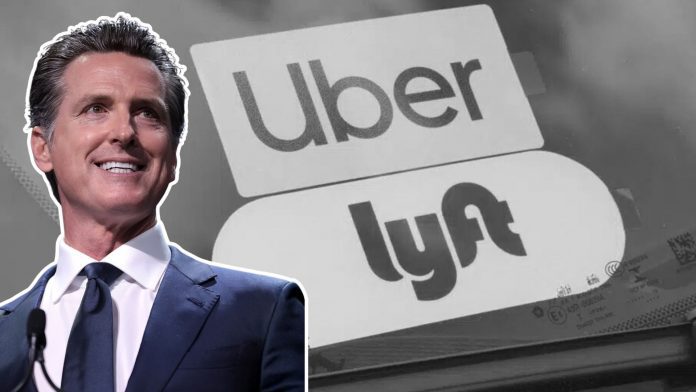
On October 3, Governor Gavin Newsom signed Senate Bill 371, authored by Senator Cabaldon, to lower the cost of rideshare services like Uber and Lyft across California. The new law reduces insurance requirements that have contributed to higher fares for passengers, marking a significant step toward affordability and balance in the state’s rideshare market.
SB 371 revises long-standing insurance coverage mandates for rideshare drivers, cutting the required uninsured and underinsured motorist coverage from $1 million to $60,000 per individual and $300,000 per accident. These requirements, established more than a decade ago when ridesharing was still new, have been shown through years of claims data to far exceed what is necessary.
Senator Cabaldon said the bill is designed to make rideshare more accessible for Californians who rely on it for essential travel, such as commuting to work, attending school, or reaching medical appointments. He also noted that the measure supports drivers by expanding their ability to organize and negotiate for better wages, benefits, and working conditions.
Cabaldon said, “[SB 371] reduces unnecessary costs for riders while giving drivers more say in how their industry operates.”
Industry data from both Uber and Lyft suggest the changes could bring meaningful relief to riders. According to Uber, government-mandated insurance made up 45% of a typical Los Angeles fare in May 2025. Lyft reported that Californians pay about $6 per ride for insurance, which is double the national average.
Conversely, traditional transportation providers such as taxis, buses, and limousines are not required to carry uninsured or underinsured motorist coverage. The discrepancy has long placed rideshare companies at a competitive disadvantage, driving up fares for riders and reducing drivers’ profitability.
Governor Newsom had previously endorsed SB 371 as part of a broader legislative package to improve affordability for consumers while promoting fairness and opportunity for gig-economy workers.
With the governor’s signature, the law is set to take effect in the coming months. It is expected to reduce ride costs across the state while aligning insurance requirements more closely with real-world risk