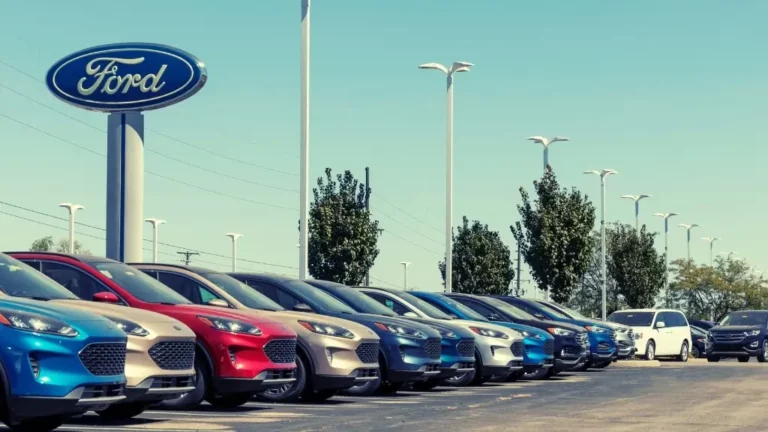

There’s a new dynamic shaking up the auto industry, and car dealerships aren’t thrilled about it. Generation Z—the most digital generation yet—isn’t walking into showrooms unprepared. Instead, they’re bringing a secret weapon: artificial intelligence.
This isn’t science fiction—it’s the latest real-world shift in how people buy cars. Gen Z are snapping photos of dealership contracts and feeding them into AI tools like ChatGPT to make sure they’re not getting scammed. And according to growing numbers of reports and viral social media posts, this “AI-assisted buying” habit is spreading fast.
Car dealerships call it a headache. Consumers are calling it empowerment.
It started as a joke online: “Gen Z won’t buy a car without running the contract through ChatGPT first.” But behind the humor lies a serious trend. Young buyers are using AI to decode the fine print in real time—before they ever sign.
What’s driving this? Experience. Gen Z grew up during the 2008 financial crash, the pandemic, and the explosion of online scams. They’ve watched the economy fluctuate wildly, and they’ve seen how easily a “great deal” can turn into a financial trap. They’re cautious, analytical, and skeptical of traditional sales tactics—especially those that rely on confusion or pressure.
And let’s be honest—dealership contracts are notoriously dense. Between add-ons like extended warranties, gap insurance, and inflated “doc fees,” the cost of a new car can quietly balloon by thousands of dollars. But with a few taps, AI can highlight suspicious charges, flag high interest rates, and summarize legal terms that would take an average buyer hours to decipher.
This newfound power isn’t just about avoiding bad deals—it’s changing how negotiations happen.
On Reddit, one parent bragged that their daughter used ChatGPT to catch hidden fees and unnecessary add-ons, saving over $3,000. Similar stories are everywhere: TikTok videos showing buyers walking sales reps through their own contracts, or X users posting screenshots of AI-generated breakdowns that point out markup padding.
It’s no wonder some salespeople are frustrated. They’re used to being the authority. But now, the balance of power is shifting toward the customer—especially younger ones who can instantly fact-check every claim.
Industry data backs it up: roughly one in four car shoppers now use AI for pricing research, trade-in estimates, and deal structuring before they ever step onto the lot.
Dealerships are split. Some view AI-savvy buyers as difficult customers who “don’t trust the process.” Others see an opportunity. Forward-thinking dealers are adopting AI themselves—to streamline inventory, analyze market data, and create transparent pricing that appeals to Gen Z’s preference for honesty and speed.
Those who resist change risk being left behind.
As one dealer put it in an interview, “If your customer knows more than your finance manager because they ran the numbers through an AI, that’s a wake-up call.”
The smartest dealerships are adapting by embracing technology instead of fearing it. They’re using AI to enhance transparency—automating disclosures, simplifying pricing structures, and ensuring every deal can stand up to digital scrutiny.
This isn’t just about contracts. It’s about trust.
Trust in large institutions—from media to government to corporations—has eroded for years. The car-buying process, long viewed as opaque and stressful, is no exception. Gen Z’s approach reflects a cultural shift: don’t rely on authority, verify with data.
AI provides a kind of digital ally—a second opinion that feels objective. It doesn’t care about commissions or quotas. It simply reads the fine print and reports back.
Critics argue that depending on AI for financial decisions is risky. And they’re not wrong—AI isn’t infallible. It can misinterpret terms or overlook context. But for many buyers, even an imperfect tool feels safer than blind trust in a salesperson’s word.
This trend extends beyond cars. Gen Z uses AI for everything—evaluating rental agreements, comparing college loans, even cross-checking healthcare costs. To them, it’s not “cheating.” It’s being informed.
And while some mock the trend as over-cautious or robotic, it’s hard to argue with the results. When young buyers save thousands simply by questioning what’s in front of them, the lesson is clear: transparency wins.
As AI continues to evolve, its role in consumer decision-making will only grow. Future dealership interactions may feature built-in AI advisors on both sides—buyers and sellers each leveraging data to find common ground faster.
It’s not far-fetched to imagine an industry where paperwork is pre-analyzed, financing terms are AI-generated, and negotiation becomes a transparent dialogue rather than a psychological battle.
For now, the message is unmistakable: Gen Z isn’t playing by the old rules. They’re rewriting them with the help of algorithms.
And whether you see that as a threat or a triumph depends on where you stand—behind the desk or in front of it.
For decades, dealerships relied on information asymmetry—the idea that they knew more than the buyer. That era is ending. The smartphone, and now AI, have leveled the playing field.
Check out my full commentary on this story: http://youtu.be/I0C_TkOPxPc
Looking for more automotive news? https://www.CarCoachReports.com
Listen to The Drive Car Show – https://www.youtube.com/@thedrivecarshow