On the Dash:
- Ford issued a record 152 safety recalls in 2025, reflecting an aggressive approach to detecting and correcting defects.
- The company doubled its safety team, expanded testing, and implemented software audits, while warranty costs are declining.
- Despite challenges with customer and dealer recalls, Ford continues to invest in AI, software, manufacturing, and supplier oversight to improve overall vehicle quality.
Ford has issued a record 152 safety recalls in 2025, the most by any automaker in a single year, but executives say the surge reflects a tougher approach to safety and improving vehicle quality.
According to the National Highway Traffic Safety Administration, the Dearborn automaker nearly doubled the previous record of 77 recalls set by General Motors in 2014. Ford’s recalls covered a broad range of issues, including faulty parking modules that could cause vehicle rollaways, electrical problems that increased fire risk, and parts that could detach while driving.
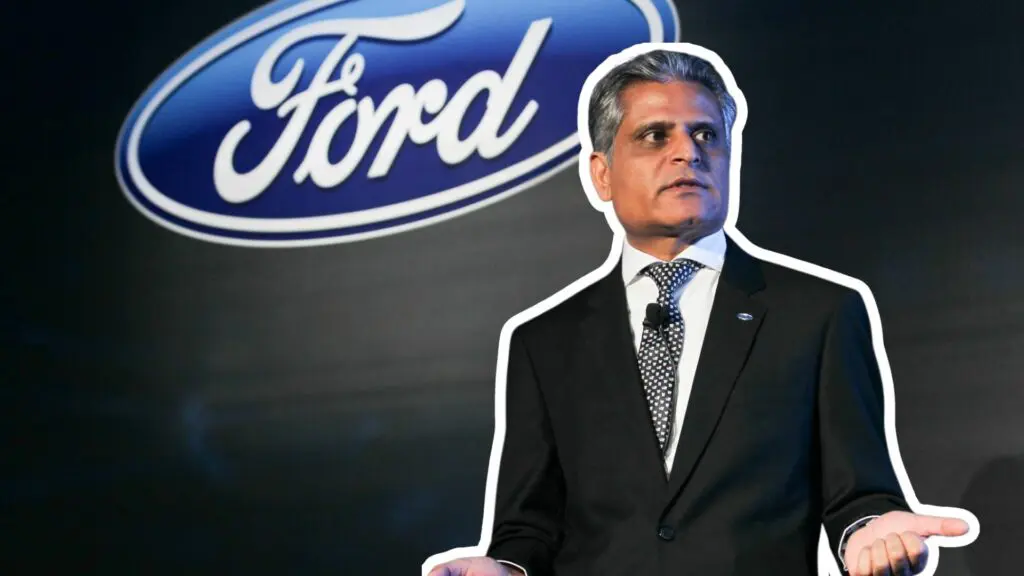
Chief Operating Officer Kumar Galhotra said Ford has intensified its focus on early detection and rapid correction of defects, even if that leads to higher recall counts.
Meanwhile, Ford executives said the company doubled its safety team over the past two years and expanded testing of critical systems, including software validation that simulates millions of real-world driving scenarios. Notably, roughly 40 of last year’s recalls involved reissued software updates after audits found gaps in how installations were verified.
Despite the recall volume, Ford said warranty costs are declining and contributed to the company raising its 2025 adjusted operating earnings guidance to about $7 billion. The outlook still reflects a steep drop from 2024, citing tariffs under President Donald Trump, supply chain disruptions, the expiration of EV tax credits, and softer consumer sentiment.
Although the ongoing recalls pose challenges for dealerships and may frustrate some customers, there are positive signs regarding Ford’s quality metrics. Service departments are reporting packed schedules as they manage recall repairs, with some new vehicles remaining undeliverable until the necessary fixes are made. Although an increasing number of recalls can now be resolved through over-the-air updates, many still require customers to visit their dealerships.
Analysts note that recall volume alone does not determine a brand’s quality. Ford stated that it is continuing to invest in software tools, artificial intelligence, manufacturing upgrades, and supplier oversight to minimize defects before vehicles reach customers.