Dealers that stick with long-held benchmarks could fall behind competitors willing to change how they run used cars, pay salespeople and work with their manufacturers. The 1-to-1 used-to-new vehicle ratio, 10 cars per salesperson per month, and a $250 mini deal have gone largely unchanged for decades, even as vehicle prices, technology and OEM strategies have shifted around them. While some dealers are pulling away from the pack, others are staying in their comfort zone and may pay a steep price.
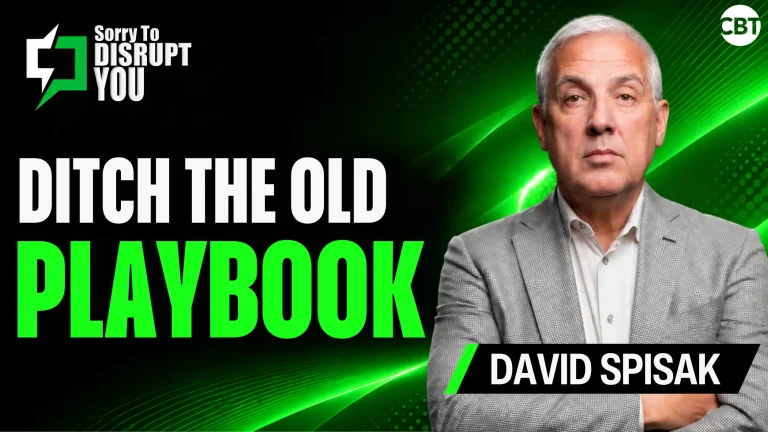
In the first episode of Sorry to Disrupt You, host David Spisak, President and CEO of Disruptive Growth Solutions, says this is the most disruptive time he’s seen in the industry and that a “great dealer divide” is emerging between dealers who stick to long-standing industry benchmarks and those adopting new approaches. Spisak says dealers who ditch the old playbook are more likely to stay competitive.
Used-to-new ratio & used car department
According to Spisak, dealers have chased a 1-to-1 used-to-new ratio since the 1980s, and the industry sits at roughly 0.82 to 1 in 2026. He compared it to repeating the same approach for 37 years without success, and questioned whether the industry has been chasing a target that offers false hope. Many stores at or just over 1-to-1 still aren’t profitable, he said.
"Others will play it safe, want to operate in their comfort zone, and may very well pay a price that's significantly higher than they could have possibly imagined."
While franchise dealers have little control over the new-vehicle side, including affordability, incentives, interest rates, gas prices and the vehicles manufacturers build, Spisak said they control 100% of the equation on the used side, compared with about 10% to 15% on new. In his view, that makes a dealer the OEM of the used-car department, setting volume, average cost, segments, inventory levels, pricing and merchandising.
Additionally, Spisak said he still knows stores that wholesale nearly every trade-in without touching it, which he believes is cementing their own demise. The industry now has 14 categories of used car software, which adds expense and disconnected systems, yet the ratio hasn’t moved. The average of 10 cars per salesperson per month also hasn’t changed since the 1980s, before CRMs existed, so he said dealers should get the fundamentals right instead of leaning on technology alone.
Pay, process and hiring
Regarding dealership visits, Spisak said he sees managers who seem afraid of their associates. Follow-up isn’t happening, and managers tell him they can’t get people to do it. Most stores also lack documented processes, so there’s nothing to hold anyone to. He also cited an informal dealer survey in which 65% said they pay $250 on a mini deal, about what it paid 30 years ago. Vehicle prices have gone up three to three and a half times over that span, along with interest rates, gas prices and the cost of a dealership. Sales managers and dealers control gross, training, hiring and the comp plan, he said, so it may be time to look in the mirror.
"I don't know anybody who would do something the way they did five or 10 years ago and run that same game plan."
He pointed to a Hyundai store that runs four 10-hour days with a single point of contact and pays salary plus bonuses instead of commission. That store hasn’t had trouble hiring Gen Z and millennial employees, who he said value the balance. Spisak also said salespeople who aren’t strong closers can excel at relationships, product knowledge, and delivering a good experience, and some organizations build around those people and take negotiating off their plates.
When an OEM competes
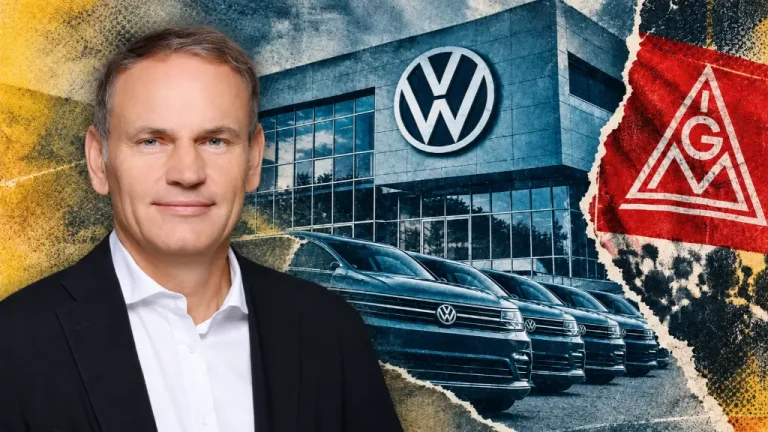
Spisak described what he calls friendly fire from OEM partners, pointing to plans to sell Scout vehicles directly to customers instead of through Volkswagen stores. VW franchisees have had a hard stretch, he said, with Audi and Porsche sales also off, and the new vehicle was supposed to bring a reprieve. The manufacturer already has their warranty, sales, RDR and customer credit data, and many of those stores have put $5 million to $10 million or more into facilities.
Franchise agreements protect stores from many things, including direct-to-consumer sales in most states, but weren’t written to protect them from their own OEM, Spisak said. That’s why some franchisees are talking to attorneys. He added that some OEMs aren’t in the cash position they once were, citing reports that Nissan is looking for a merger.
Spisak said the word partner implies balance and transparency, and he asked whether OEMs are as transparent with their franchise networks as they expect those stores to be with customers. He said retailers make capital investments based on pro formas, only to see trade and incentive terms change the next year, and he finds it hard to believe the manufacturer didn’t see that coming. With Carvana and CarMax already competing and Polestar, Rivian and BYD potentially following, store owners should choose their OEM partners carefully, be strong partners in their own markets and expect the same in return.