TSLA346.650-6.17%
GM72.760-0.67%
F11.530-0.08%
RIVN14.690-0.6%
CYD39.600-0.18%
HMC23.490-0.35%
TM203.660-0.76%
CVNA320.2503.4%
PAG148.170-0.54%
LAD261.5403.97%
AN193.510-3.31%
GPI323.960-3.04%
ABG195.140-0.26%
SAH63.5000.19%
TSLA346.650-6.17%
GM72.760-0.67%
F11.530-0.08%
RIVN14.690-0.6%
CYD39.600-0.18%
HMC23.490-0.35%
TM203.660-0.76%
CVNA320.2503.4%
PAG148.170-0.54%
LAD261.5403.97%
AN193.510-3.31%
GPI323.960-3.04%
ABG195.140-0.26%
SAH63.5000.19%
TSLA346.650-6.17%
GM72.760-0.67%
F11.530-0.08%
RIVN14.690-0.6%
CYD39.600-0.18%
HMC23.490-0.35%
TM203.660-0.76%
CVNA320.2503.4%
PAG148.170-0.54%
LAD261.5403.97%
AN193.510-3.31%
GPI323.960-3.04%
ABG195.140-0.26%
SAH63.5000.19%


Dave Anderson on how to drive results through clear, measurable vision

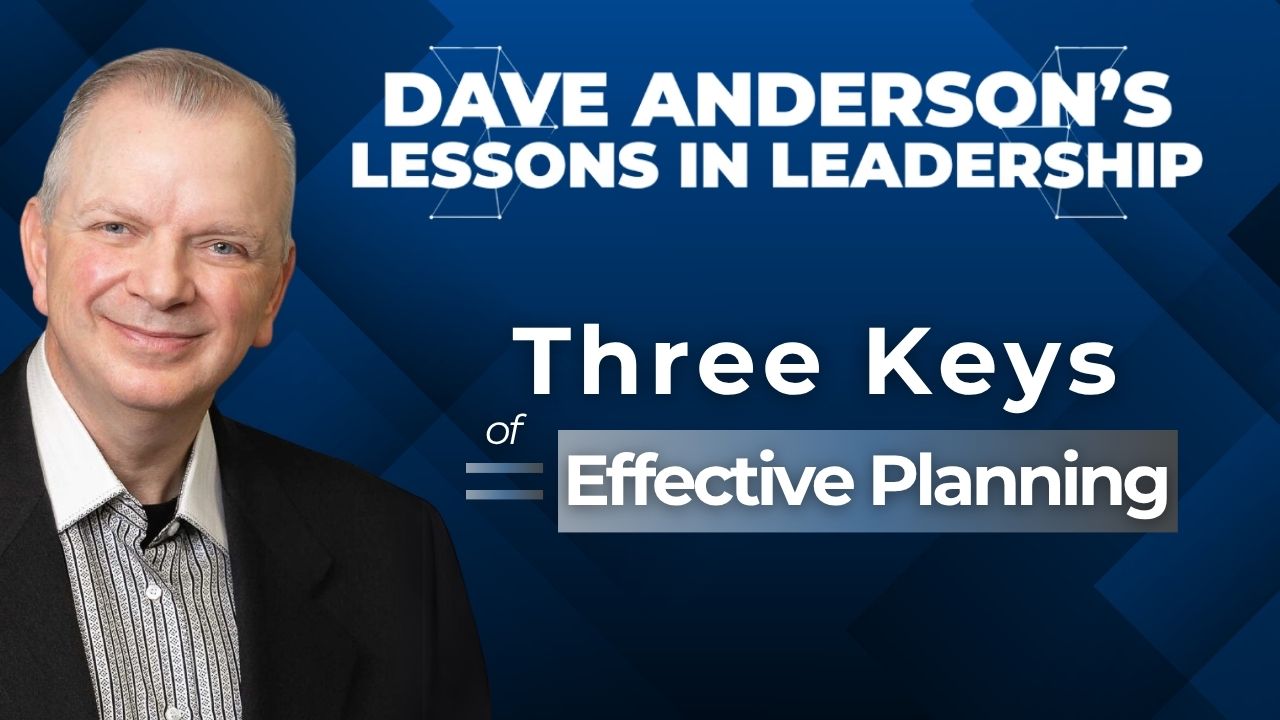
As the new year draws closer, many dealers are reflecting on what worked, what didn’t, and where their strategy needs to shift in 2026. On today’s episode of Lessons in Leadership, LearnToLead Founder Dave Anderson unpacks the first key to strategic planning: vision.

The first step in strategic planning is establishing the vision. The vision focuses on the “what” or the goals. To make it effective, the goal must be quantifiable. Anderson recommends avoiding vague statements of greatness, such as: “Our goal is to be the best and reach our full potential.” Without measurable benchmarks, a team has no reliable way to know whether they are on track.

Sign up for CBT News’ daily newsletter and get the latest industry stories delivered straight to your inbox.

In Anderson’s book, It’s Not Rocket Science, he outlines his TUFS strategy, which stands for “the ultimate few.” He encourages leaders to limit their goals to three. When a team tries to tackle too many goals all at once, the quality of execution drops and the likelihood of completing them decreases.

"If everything is important, then nothing is important."
 

Instead, it’s more effective to dedicate the most time, effort and resources to the top three goals that will have the most impact on the organization. These overarching targets often move the needle for other objectives as well.

Each department in the dealership must also have its own vision that supports the overall dealership vision. For example, if the overarching goal is to boost CSI scores, each department should create its own TUFS to help achieve that. The F&I department may focus on reducing wait times, while fixed ops may work to improve technician productivity.

Once the department vision is defined, managers should break it down into smaller, individual goals for each team member. These personal goals support the department’s objectives, which in turn support the dealership’s overall vision. This approach also motivates employees by helping them understand how their contributions directly influence larger outcomes.

By focusing on their TUFS, or the ultimate few, dealers can direct their team’s energy toward the goals that matter most, ultimately moving the needle and strengthening overall performance.

Read More


More from Lessons in Leadership
Are your employees growing—or stagnating?

Are your employees growing—or stagnating?

- April 8, 2026
According to leadership expert Dave Anderson, high-performance cultures insist on continuous growth, creating an environment in which employees understand that their development directly impacts both personal value and organizational success.  In...
Building a culture where input from all levels matters

Building a culture where input from all levels matters

- April 1, 2026
By fostering open dialogue across all levels, leaders can build high-performing cultures that encourage innovation and engagement, says leadership expert Dave Anderson. On the latest episode of Lessons in Leadership, Anderson...
Preventing “toxic achievers” through values-based accountability

Preventing “toxic achievers” through values-based accountability

- March 25, 2026
High-performing organizations do not separate results from behavior. Leadership expert Dave Anderson says the strongest cultures hold employees equally accountable for achieving performance targets and living the company’s core values. On...
responsibility

How accountability, responsibility drive success in top-performing teams

- March 18, 2026
In high-performance organizations, excuses are met with little tolerance. According to leadership expert Dave Anderson, in high-performance cultures, employees are expected to take responsibility for results. On the latest episode of...
CBT News
Privacy Overview

This website uses cookies so that we can provide you with the best user experience possible. Cookie information is stored in your browser and performs functions such as recognising you when you return to our website and helping our team to understand which sections of the website you find most interesting and useful.