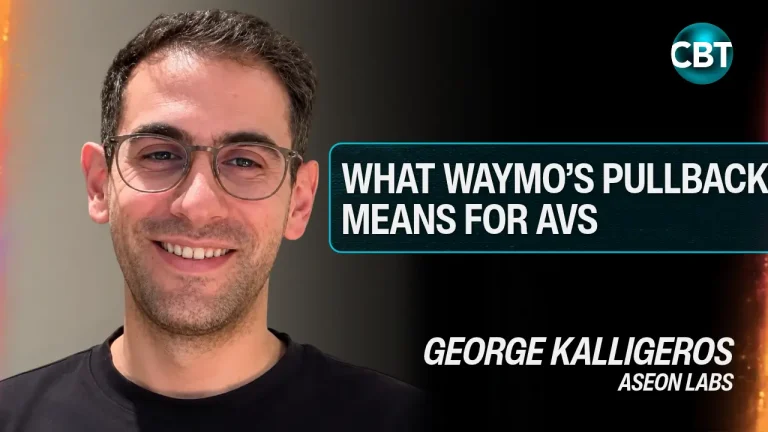
The future of autonomous vehicles (AVs) will depend on more than software and self-driving technology. George Kalligeros, Former Tesla engineer and CEO of Aseon Labs, says companies will need to solve the practical challenges of charging, cleaning, inspecting and maintaining thousands of vehicles across major markets. Kalligeros joins us on today’s CBT Live segment to explain why those needs could create a new opportunity for dealerships.
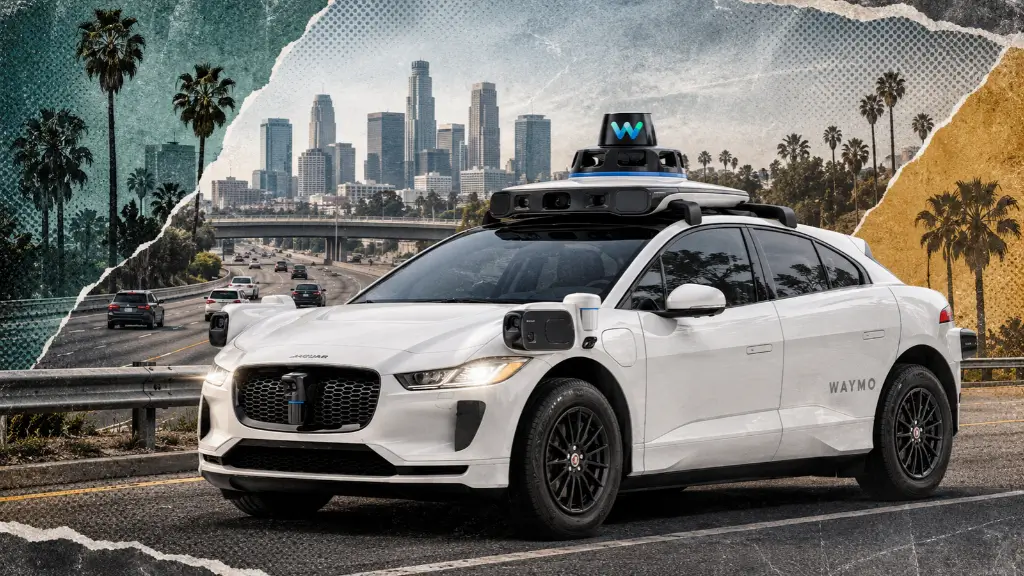
Kalligeros notes that Waymo’s decision to suspend freeway rides reflects a technical challenge involving how autonomous vehicles respond to changing road conditions, including construction zones and restricted lanes. He described these situations as edge cases that autonomous systems still need to handle more reliably. But he did emphasize that the broader challenge of scaling autonomous fleets extends beyond the driving technology. Robotaxis require regular charging, cleaning, inspections and maintenance, along with physical locations where those services can happen efficiently. Kalligeros said Aseon Labs is developing automated service stations, which he described as robotic pit stops, designed to handle many of these needs closer to the areas where fleets operate.
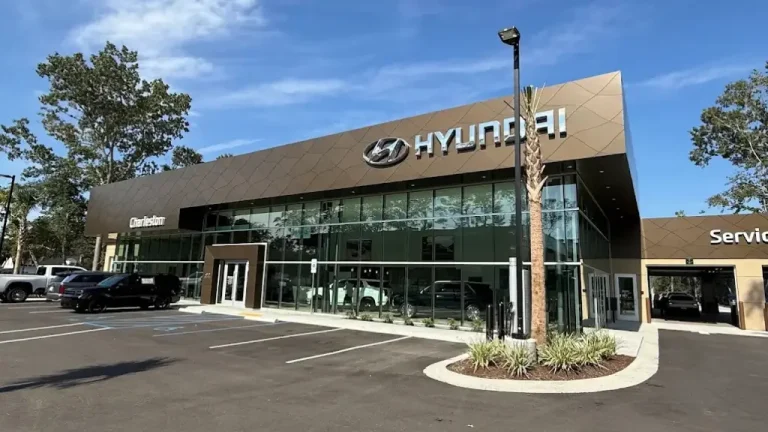
That infrastructure could create a new service opportunity for dealerships, as Kalligeros said robotaxis still require certified maintenance, inspections, and repairs, and many are based on modified consumer passenger vehicles. He cited the Hyundai IONIQ 5 and Waymo’s announced Toyota partnership as examples. Therefore, dealerships’ service bays, technicians and real estate could support fleet operators needing local maintenance. Kalligeros said that the opportunity may expand as autonomous technology reaches personally owned vehicles, potentially increasing travel and demand for vehicles and service.
Ultimately, Kalligeros mentioned that the next stage of autonomous vehicle growth will depend on expanding the physical infrastructure and manufacturing capacity needed to get more vehicles on the road. Operators need charging stations, depots, service locations and the ability to turn vehicles around quickly. He also noted that companies face different challenges depending on their approach to autonomy. While Waymo has emphasized a safety-first model built around an extensive sensor system, Tesla has pursued a camera-based approach designed for mass production and favorable unit economics.
For dealers, Kalligeros’ broader message was that autonomous mobility shouldn’t be seen solely as a threat to vehicle ownership. He sees opportunities in fleet maintenance, greater vehicle use and the eventual expansion of consumer-owned autonomous vehicles.