On the Dash:
- Dealers say AI delivers value only when systems are integrated across sales, service, and customer communications.
- Real-time data sharing can improve trade-in accuracy, inventory turns, and dealership-wide profitability.
- Dealers and automakers agree that reducing vehicle complexity could improve margins without limiting customer choice.
Franchised auto dealers see artificial intelligence and connected dealership technology as critical tools to improve profitability, sales performance, and customer experience in 2026, according to leaders speaking Feb. 3 at the J.D. Power Auto Summit during NADA Show 2026.
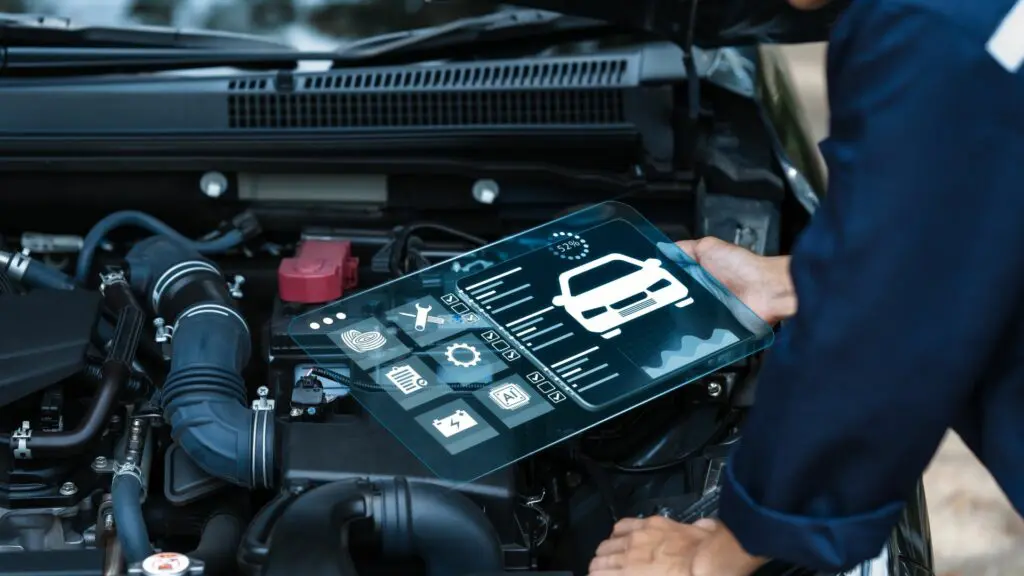
Panelists said technology adoption must go beyond adding tools. Dealers need to ensure managers understand how systems work, align them with daily operations, and integrate data across departments. Without that foundation, technology risks becoming fragmented and ineffective.
Sam D’Arc, chief operating officer of Zeigler Automotive Group, noted that the market is flooded with technology solutions, many of which address narrow problems rather than improving the full customer journey. He described how disconnected systems can hurt the experience, such as sending a trade-in text while a customer waits for a delayed oil change. He pointed out that one opportunity for AI is connecting service, sales, and communication platforms so dealership staff understand a customer’s situation before triggering outreach. Better integration can also help dealers capture used vehicles more effectively.
Dennis Gingrich, sales and finance director at The Niello Company, said thoughtful AI use can boost employee efficiency and improve decision-making. His organization has trained an AI model using a secure enterprise license to assess compliance risks and identify solutions quickly. He added that real-time service data can improve vehicle appraisals when shared with sales teams during walkarounds. That information allows dealers to price trade-ins accurately and move inventory faster.
J.D. Power data also shows technology can help dealers and automakers better align vehicle configurations with market demand. Survey results indicate that excessive trim and feature complexity make inventory management harder and reduce profitability. More than 70 percent of automaker representatives surveyed said reducing complexity would improve profits without hurting sales.
NADA CEO Mike Stanton emphasizes that automakers and dealers need to align on vehicle configurations. He points out that while customer choice should not be limited, many features go unused, adding complexity that can reduce profitability. The focus is on simplifying offerings to improve efficiency and margins without restricting options.