Rising operating costs and price-conscious shoppers are squeezing dealership margins. Dealers can protect profit by tightening cost control, holding firm on pricing, and building the kind of trust that brings customers back.
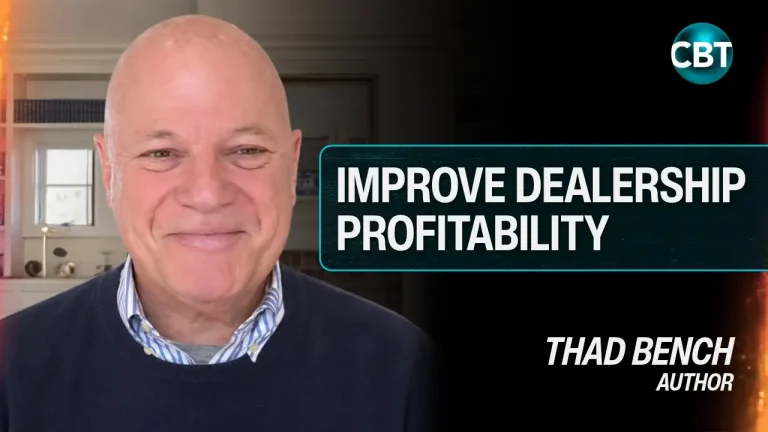
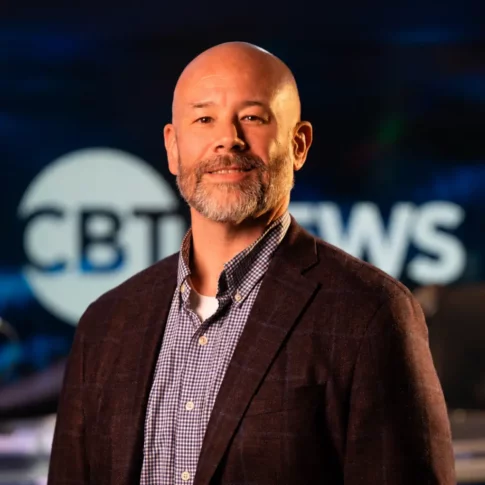
On today’s edition of CBT Live, Thad Bench, Former CEO of BW Health Group and Author of Noble Work: A Practical Guide to Profitable, Principled Business Growth, joins us to discuss how dealers can protect margins and communicate value. Bench says the same principles he learned as an entrepreneur and CEO apply in any tight-margin business, from the millwork company he once ran to the work his company did with Chrysler.
Bench says dealers should start on the cost side by reviewing the P&L statement line by line to ensure every expense is optimized. In a tight-margin business, he says, a dealership can make as much money on the buy side as it does on the sell side.
When price pressure comes up, Bench says dealers can look at trade-offs such as extended warranties to preserve revenue. If a customer cites a better offer elsewhere, he suggests asking to see it and finding out what’s driving the decision, including whether finance can fix a budget issue by changing the amortization rate. He also says dealers should give their best price up front, stay quiet after stating the number, and never call an offer final and then change it, because that undermines credibility.
To communicate value, Bench says dealers can give shoppers a tour, introduce them to the finance and service managers, and follow up with a handwritten note or a call. Talking early about the customer’s family and needs builds the human connection that leads to trust, he adds.
Bench’s advice for 2027 is what he calls “return fire,” which is outbound sales and marketing that doesn’t have to be expensive. Salespeople can use downtime to cold call, reach out to local businesses, pursue fleet sales, and ask people they meet to send friends and family their way.