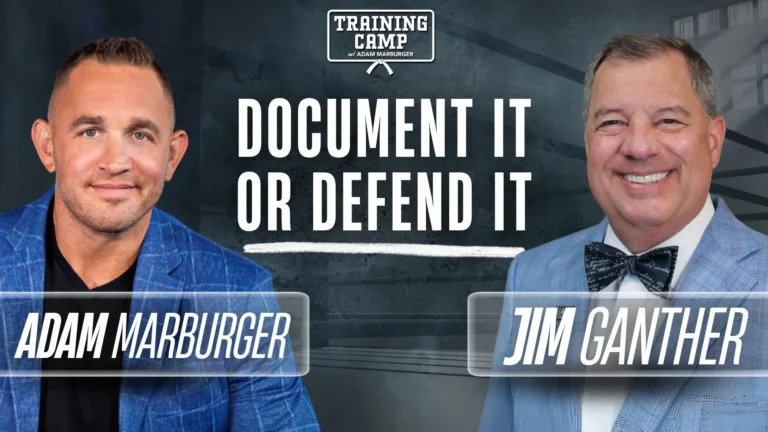
California’s CARS Act is raising the stakes for dealership compliance, and CEO of Mosaic Compliance Services, Jim Ganther, says dealers outside the state should pay attention as similar requirements and federal price transparency initiatives shape the industry’s regulatory landscape.
On the latest episode of Training Camp, Ganther explains how California’s CARS Act intersects with federal price transparency expectations, why dealerships should prepare for potential enforcement and how documented compliance practices can help reduce legal exposure.
According to Ganther, California’s requirements could influence other states, particularly those with traditionally stronger consumer protection policies. He notes that the state law largely mirrors the Federal Trade Commission’s CARS Rule, which was overturned, while addressing similar issues covered by the FTC’s more recent price transparency initiatives. Together, those developments make pricing disclosures an important consideration for dealers nationwide.
“So what we see happening in California, we can expect to be moving from Pacific to Atlantic.”
One area where dealers need to pay close attention is how they advertise prices and disclose rebates. Ganther explained that federal price transparency expectations allow dealers to deduct rebates from an advertised price when those incentives apply to everyone. But California’s CARS Act takes a stricter approach by prohibiting dealers from deducting rebates, even when all customers qualify. Although the requirements may appear to conflict, Ganther said dealers can comply with both by keeping rebates separate from the advertised price and explaining the applicable terms and conditions.
Additionally, Ganther said some California dealers spent months preparing for the law’s implementation, while others continued looking for ways to maintain their existing pricing practices. At the time of the interview, he was not aware of any filed lawsuits related to the CARS Act, but he cautioned that the absence of public legal action doesn’t mean dealers can afford to wait. He pointed to California’s DMV promoting a compliance hotline and encouraging consumers to scrutinize dealership practices as signs of growing enforcement attention.
Documenting compliance
To illustrate why small compliance details matter, Ganther shared the story behind Van Halen’s famous contract provision requiring promoters to provide backstage M&M’s with no brown candies. The unusual clause quickly showed whether promoters had carefully read the band’s technical requirements for safe performances. Ganther compared that test to a California DMV memo directing dealers to display a disclosure stating that finance and insurance products and other add-ons are optional in 12-point type. Although he said the CARS Act calls for disclosures to be clear and conspicuous without specifying a font size, he advised dealers to follow the agency’s guidance rather than risk appearing careless.
Ultimately, Ganther said dealerships should be able to demonstrate that compliance is part of their everyday operations. He recommended maintaining written policies, providing employee training, documenting activity and conducting audits. Those records can show that a dealership takes its obligations seriously and may make it a less attractive target than a business that cannot demonstrate consistent compliance. “If you can prove those things, you’re not the easy one to successfully sue,” Ganther said.