On the Dash:
- U.S. EV sales rose 7.7% from Q2 to 266,630 vehicles, and EVs captured 6.5% of new-vehicle sales, up from 5.8% in the previous quarter.
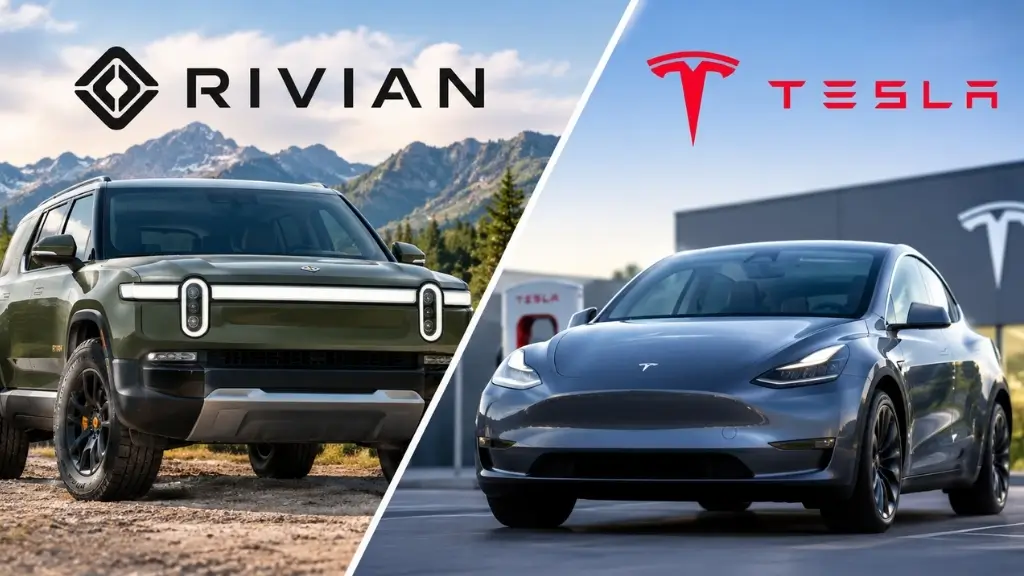
- Toyota and Lexus EV sales increased fivefold year over year, while Rivian’s rose 46% and Subaru’s climbed 31%.
- Tesla retained more than half of the U.S. EV market despite a 20% year-over-year sales decline, with the Model Y making up 69% of its Q3 sales.
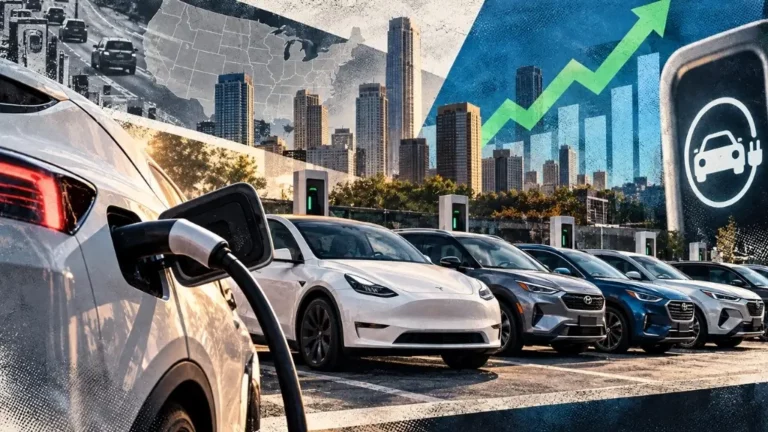
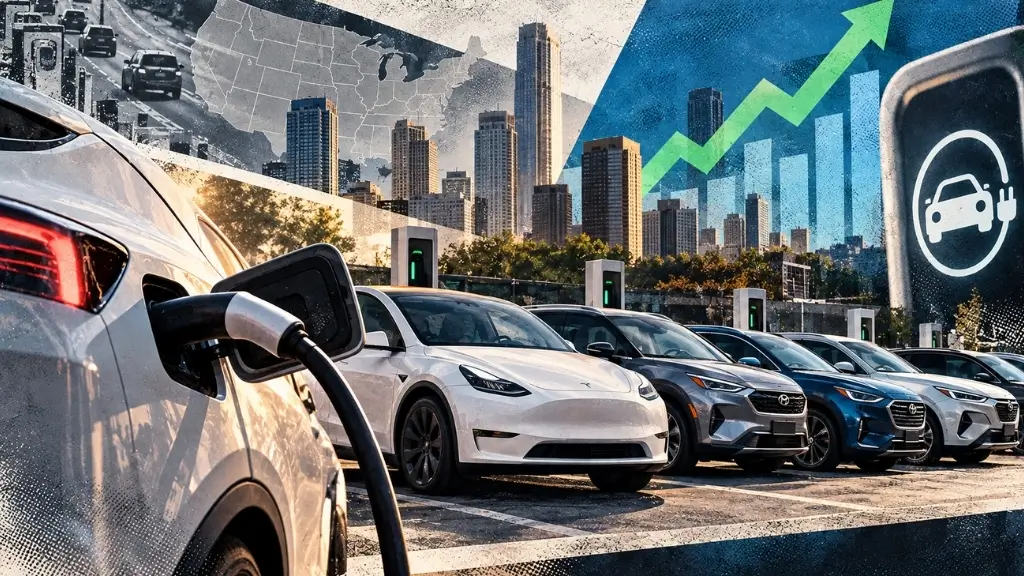
According to recent Kelley Blue Book estimates, electric vehicle sales climbed 7.7% from the second quarter, making Q3 the strongest quarter since the record-setting Q3 of 2025. However, sales remained down 38.6% from a year earlier because consumers rushed to buy EVs ahead of the expiring federal incentives during that record quarter.
Market share followed the same upward trend, with EVs capturing about 6.5% of new-vehicle sales in Q3, up from 5.8% in Q2 and the highest share since Q3 2025, when EVs topped 10% of the market for the first time. Counting traditional hybrids and plug-in models, nearly 25% of new vehicles sold in Q3 carried some form of electrification.
A handful of automakers bucked the year-over-year decline, even as nearly every other brand posted lower volume than a year earlier. For instance, Toyota and Lexus EV sales increased fivefold, Rivian’s rose 46%, and Subaru’s climbed 31%, with Subaru’s growth supported by an expanding EV lineup.
Tesla, meanwhile, saw its sales fall 20% from a year earlier, yet it still accounted for more than half of U.S. EV sales in Q3. The Model Y accounted for 69% of Tesla’s quarterly sales and the Model 3 for another 28%, showing how heavily the automaker relies on two long-running products.
EV market’s future
According to Cox Automotive, the market appears to be moving past its post-incentive correction. Looking ahead, Stephanie Valdez Streaty, Director of Industry Insights at Cox Automotive, said competitive pricing, compelling new vehicles and gas prices well above $4 a gallon could fuel EV demand. The latest results show a stabilizing market, although year-over-year sales remain well below the peak of last year’s incentive-driven surge.