On the Dash:
- Honda and its partners plan to begin demonstration testing of wireless in-motion EV charging in April 2027.
- The system is designed to deliver up to 150 kW of wireless power to passenger and commercial EVs.
- The technology could reduce charging stops, but it remains in development and has not yet demonstrated commercial viability.
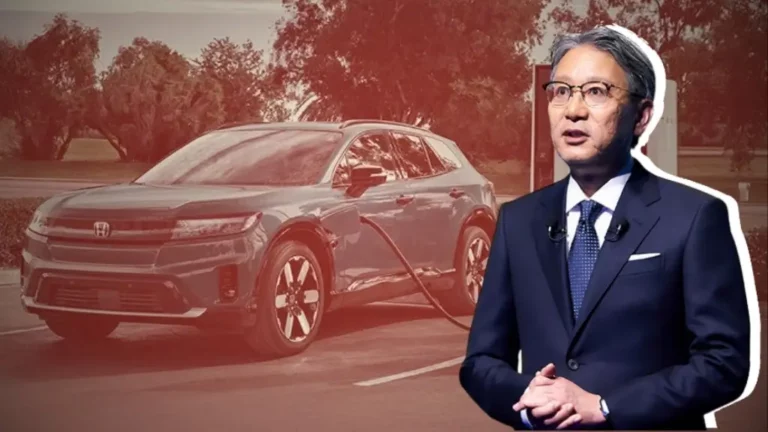
Honda R&D Co., Ltd., Taisei Corporation and Taisei Rotec Corporation are jointly developing wireless charging technology for EVs, and the companies plan to begin public-road demonstration testing in Japan’s 2027 fiscal year, which starts April 1, 2027.
The companies have developed the underlying technology for a magnetic-coupling wireless power-transfer system that crews would embed in roads so EVs can charge while driving. Honda said the system suits vehicles ranging from passenger EVs to large commercial trucks, and the company sees logistics as the most promising early use. Later testing will verify power transfer of up to 150 kW for large commercial vehicles, along with the reliability of charging at high speeds. If the technology succeeds, Honda said it could reduce how often drivers must stop at charging stations.
Each partner supplies key technology
- Honda contributes high-power-density power receiver and transmitter units that are compatible with DC power distribution.
- Taisei provides a responsive DC power supply system.
- Taisei Rotec offers technology to embed charging equipment into road surfaces.
Honda said the combined system suits installation within existing road pavement, and the three companies will also join the Tateyama Project, a demonstration that East Nippon Expressway Co. will run on the Tateyama Expressway in Chiba, Japan, beginning in fiscal 2027.
Although broader adoption will depend on successful testing, infrastructure installation, and commercial viability, the automaker said it still must compare the system’s cost with conventional fast-charging infrastructure, and it has not announced a commercial rollout timeline. Until then, Honda and its partners must complete demonstration testing to establish the technology’s real-world performance and overall feasibility.
The project also joins other efforts to make charging more convenient. For example, Ford has tested wireless charging at Michigan Central in Detroit, and in-motion charging would sit alongside stationary wireless charging systems and conventional plug-in options.